13 years searching – Ultra Rare Rafflesia corpse flower bloom in Sumatra rainforest
Title: 13 Years in the Making: Ultra-Rare Rafflesia Corpse Flower Blooms in Sumatra’s Rainforest
Meta Description: After a 13-year search, the elusive Rafflesia corpse flower has bloomed in Sumatra’s rainforest. Discover the secrets of this botanical marvel and why its survival matters.
A Once-in-a-Decade Spectacle: The Rafflesia’s Elusive Bloom
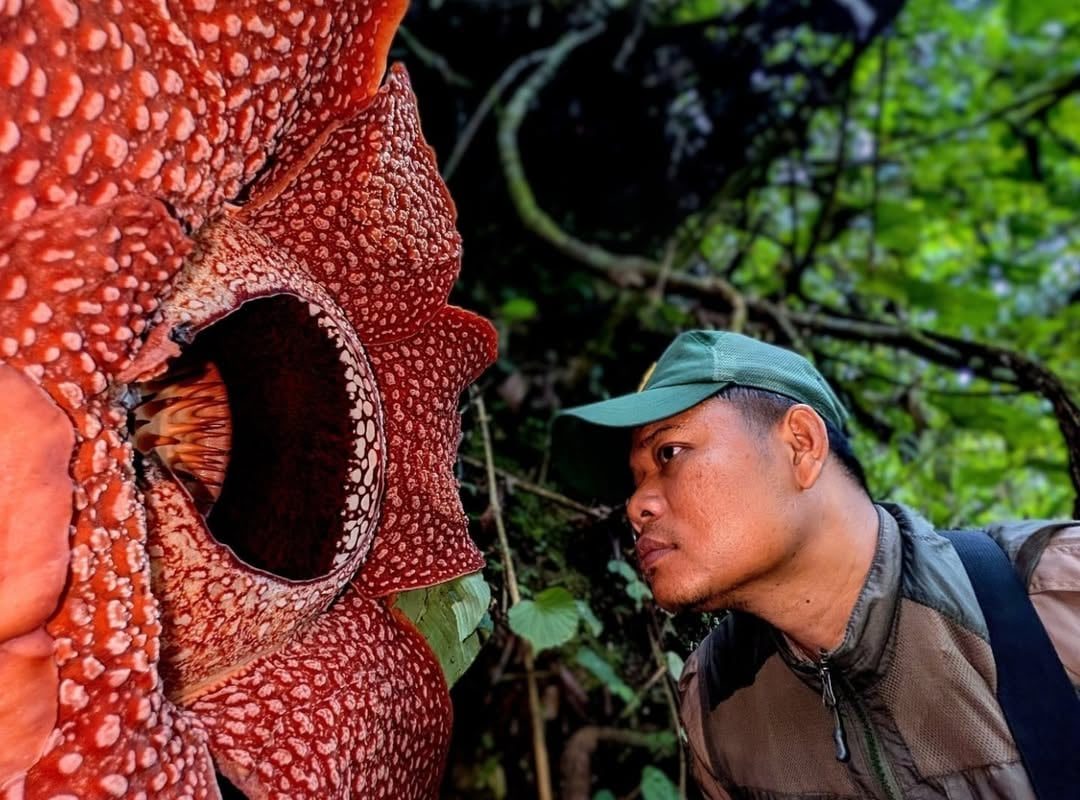
Deep in the heart of Sumatra’s threatened rainforests, a botanical miracle has unfolded: the ultra-rare Rafflesia arnoldii, nicknamed the “corpse flower,” has bloomed for the first time in 13 years. This event marks a victory for conservationists who dedicated over a decade to tracking this endangered species—a flower so elusive, its blooming cycle remains shrouded in mystery.
What Is the Rafflesia Corpse Flower?
The Rafflesia is no ordinary plant. Famous for producing the world’s largest flower (up to 3 feet wide and weighing 15 pounds), it’s also notorious for its putrid odor resembling rotting flesh. This stench attracts flies and beetles, its primary pollinators. Unlike most plants, the Rafflesia:
- Lacks roots, stems, or leaves, living as a parasite on jungle vines.
- Takes 9–12 months to bud, only to bloom for 5–7 days before dying.
- Grows only in Southeast Asia’s rainforests, with Sumatra hosting the most significant populations.
Its bizarre biology and fleeting bloom make spotting a Rafflesia in the wild a “holy grail” moment for botanists and explorers.
The 13-Year Search: A Race Against Time
Finding a blooming Rafflesia demands patience and luck. Habitat loss has pushed this species to the brink, with over 60% of Sumatra’s rainforests lost since 1985 to palm oil plantations and logging. Conservation teams combed remote corners of West Sumatra’s Bukit Barisan mountains for over a decade, navigating harsh terrain and shrinking habitats.
Why the long wait?
- No predictable cycle: Unlike annual flowers, Rafflesia blooms sporadically.
- Climate sensitivity: Changes in rainfall and temperature further disrupt its growth.
- Human threats: Poaching and deforestation destroy both the flower and its host vines.
The recent bloom—discovered by a local guide near Maninjau—has sparked hope for the species’ survival.
Sumatra’s Rainforest: A Biodiversity Time Bomb
Sumatra is a UNESCO World Heritage Site and one of Earth’s most biodiverse regions. Its rainforests shelter endangered tigers, orangutans, elephants—and 20 of the world’s 28 Rafflesia species. But these ecosystems are vanishing:
- Deforestation rates exceed 2.4 million acres/year.
- 35% of Rafflesia species face extinction, per a 2023 study.
Protecting Sumatra isn’t just about flowers; it’s about safeguarding a global ecological treasure.
Why This Bloom Matters for Conservation
The rare sighting underscores urgent lessons:
- The Rafflesia is an “umbrella species”: Saving it protects countless other rainforest organisms.
- Ecotourism potential: Responsible tours (like those in Mount Leuser National Park) fund conservation while deterring illegal logging.
- Science breakthroughs: Researchers are studying its DNA to unlock secrets of parasitic plant evolution.
Local NGOs like the Rafflesia Conservation Forum now collaborate with villages to monitor blooms and replant host vines.
How You Can Help Save the Rafflesia
- Support ethical ecotourism: Visit Sumatra with eco-conscious tour operators.
- Avoid palm oil products: Choose sustainable brands to reduce deforestation.
- Donate to rainforest NGOs: Groups like the Sumatran Orangutan Society or Flora & Fauna International.
The Takeaway: A Fleeting Miracle Worth Protecting
The Rafflesia’s bloom is a fleeting marvel—a reminder of nature’s fragility and resilience. As Dr. Siti Munirah, a Malaysian botanist, puts it: “Every Rafflesia flower is a message from the rainforest: ‘I’m still here. Fight for me.’”
With renewed conservation efforts, this 13-year-wait could inspire a future where Sumatra’s corpse flowers bloom for generations to come.
Explore Further:
- [Guide to Sumatra’s Endangered Species]
- [Rafflesia: The Smelly Wonder of the Plant Kingdom]
- [How Ecotourism is Saving Indonesia’s Rainforests]
Keywords for SEO: Rafflesia corpse flower, Sumatra rainforest, ultra-rare bloom, endangered plants, Rafflesia arnoldii, largest flower, carrion flower, Sumatra conservation, parasitic plants, ecotourism Sumatra.