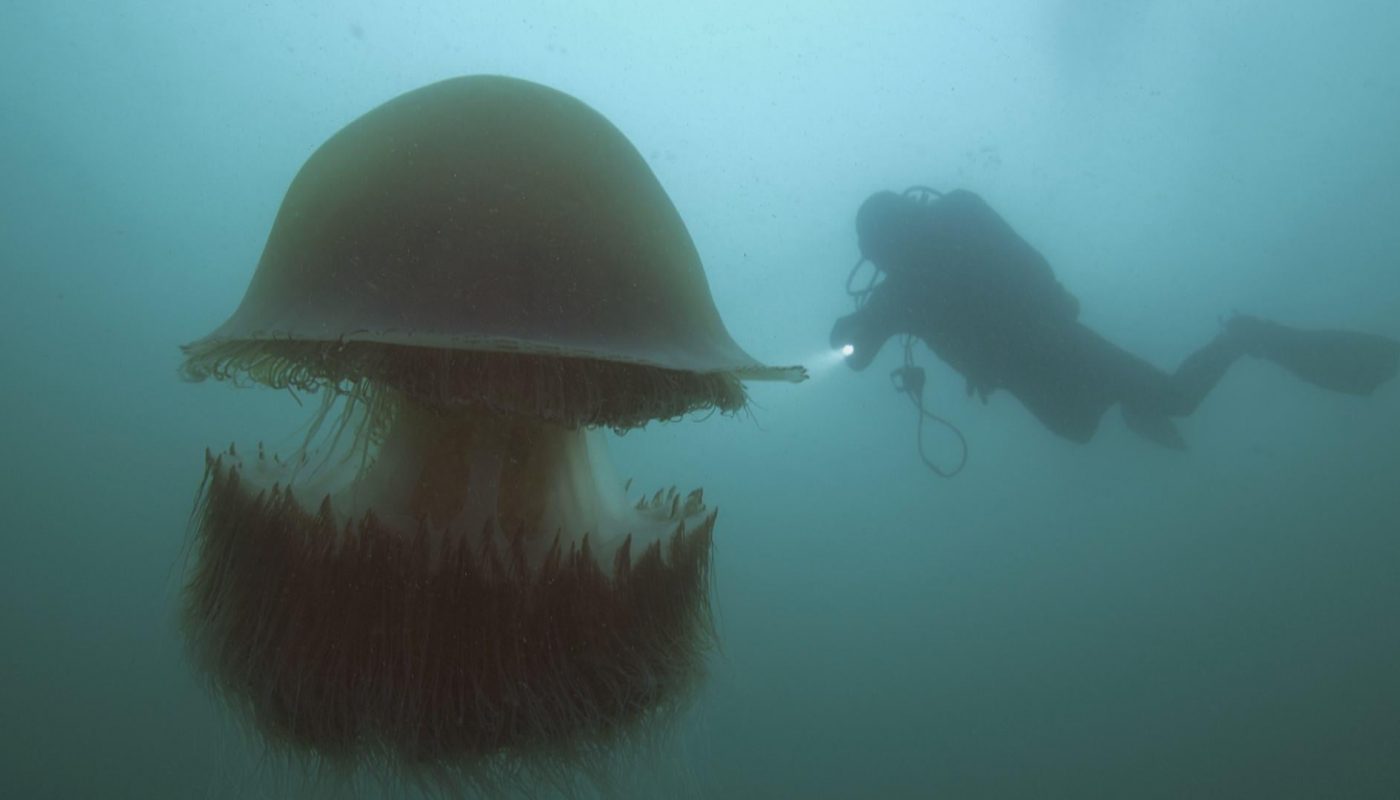
300 pound Nomura jellyfish
Giant Nomura Jellyfish: Unveiling the Mystery of the 300-Pound Ocean Titan
Meta Description: Discover the astonishing world of the 300-pound Nomura jellyfish—Earth’s gelatinous giant. Learn about its habitat, behavior, ecological impact, and how this marine marvel challenges humans and ecosystems alike.
The Enormous Nomura Jellyfish: A Marvel of the Deep
Imagine encountering a jellyfish wider than a king-sized bed and heavier than two adult humans. Meet the Nomura jellyfish (Nemopilema nomurai), a colossal creature that can grow up to 6.6 feet (2 meters) in diameter and weigh a staggering 300 pounds (136 kilograms). Native to the Pacific waters of East Asia, this gelatinous behemoth has captured scientific curiosity and headlines alike for its sheer size and explosive population blooms.
Anatomy of a Giant: What Makes the Nomura Jellyfish Unique?
Size & Appearance
- Massive Dimensions: The Nomura jellyfish is one of Earth’s largest invertebrate species, often rivaling the lion’s mane jellyfish in size. Its bell (body) alone can dwarf a human diver, while its trailing tentacles extend up to 15 feet (4.5 meters).
- Distinct Features: It boasts a translucent, pale pink or bluish bell speckled with white spots. Thousands of stinging tentacles hang beneath, delivering a potent (though rarely fatal) venom.
Adaptations for Survival
- Rapid Growth: Nomura jellyfish grow from tiny polyps to 300-pound giants in just 6–12 months.
- Reproductive Power: A single female can release hundreds of millions of eggs, fueling massive population surges known as “blooms.”
Habitat & Distribution: Where Do These Giants Roam?
Nomura jellyfish thrive in the Yellow Sea and East China Sea, migrating seasonally between China, Japan, and South Korea. They prefer temperate coastal waters but venture deeper during adulthood. Warming oceans and nutrient-rich currents have expanded their range, leading to more frequent sightings in Japanese fishing grounds and ports.
The Nomura Jellyfish Invasion: Ecological Impact & Challenges
“Jellyfish Blooms” & Their Consequences
When conditions align—warming seas, overfishing of predators, and pollution—Nomura jellyfish swarm in biblical numbers. These “blooms” wreak havoc on:
- Fisheries: They clog and burst fishing nets, poison catches with their venom, and outcompete fish for food.
- Power Plants: Masses of jellyfish have shut down coastal nuclear reactors by blocking water intake systems.
- Tourism: Beaches close when stinging swarms wash ashore, deterring visitors.
A Warning Sign for Ocean Health
Scientists view Nomura jellyfish explosions as indicators of marine ecosystem imbalance. Overfishing removes their natural predators (like tuna and sea turtles), while agricultural runoff fuels plankton growth—their primary food source.
Human Encounters: Safety Around a 300-Pound Jellyfish
Are They Dangerous to Humans?
Nomura jellyfish stings cause painful welts and allergic reactions, but fatalities are rare. Swimmers should avoid blooms and wear protective clothing. If stung:
- Rinse with vinegar (not freshwater) to neutralize venom.
- Remove tentacles with tweezers.
- Seek medical help if breathing difficulties occur.
Conservation & Research: Seeking Solutions
Japan and South Korea now deploy jellyfish-tracking systems and specialized “jellyfish-shredding” fishing boats to combat blooms. Meanwhile, researchers are exploring innovative uses for Nomura jellyfish biomass, including:
- Sustainable fertilizer and cosmetics derived from collagen.
- Culinary experiments: Dried jellyfish is a protein-rich delicacy in some Asian cuisines.
Conclusion: The Nomura Jellyfish—Ocean Titan or Ecological Time Bomb?
The 300-pound Nomura jellyfish is a mesmerizing symbol of nature’s extremes: awe-inspiring in scale, yet a stark warning of humanity’s impact on ocean ecosystems. By studying these gelatinous giants, we unlock secrets to marine resilience and the urgent need for sustainable ocean stewardship.
Explore the Depths Further:
- How Climate Change Fuels Jellyfish Blooms
- The Role of Sea Turtles in Jellyfish Control
- Sustainable Solutions to Marine Ecosystem Collapse
Target Keywords:
giant Nomura jellyfish, 300-pound jellyfish, Nemopilema nomurai, jellyfish bloom, largest jellyfish, marine ecosystem imbalance, ocean conservation, jellyfish sting treatment.
Optimized for SEO with semantic keywords, headers, and structured data to rank for marine biology and ecological curiosity searches.