3D revivification in dinosaur museum
Title: Step into the Jurassic Era: How 3D Revivification is Transforming Dinosaur Museums
Meta Description: Discover how 3D revivification technology breathes life into prehistoric giants, revolutionizing dinosaur museums with immersive, educational experiences.
Introduction
Dinosaur museums have long captivated visitors with towering fossils and meticulously reconstructed skeletons. But in recent years, a groundbreaking innovation—3D revivification—has redefined what it means to “experience” the age of dinosaurs. By blending cutting-edge technology with paleontological research, museums are now resurrecting T. rexes, Velociraptors, and Triceratops in stunning digital detail, allowing guests to witness these awe-inspiring creatures as they might have looked and moved millions of years ago.
In this article, we explore how 3D revivification works, its impact on museum education and engagement, and where you can see this tech in action today.
What is 3D Revivification?
3D revivification uses advanced software, fossil scans, biomechanical data, and artistic reconstruction to create hyper-realistic digital models of extinct species. Unlike static displays, these models are animated and contextualized within their ancient habitats, offering a dynamic glimpse into the Mesozoic world. Key technologies driving this revolution include:
- Photogrammetry: High-resolution 3D scanning of fossils to build accurate skeletal frameworks.
- Virtual Reality (VR) & Augmented Reality (AR): Immersive headsets or mobile apps that place visitors “inside” dinosaur ecosystems.
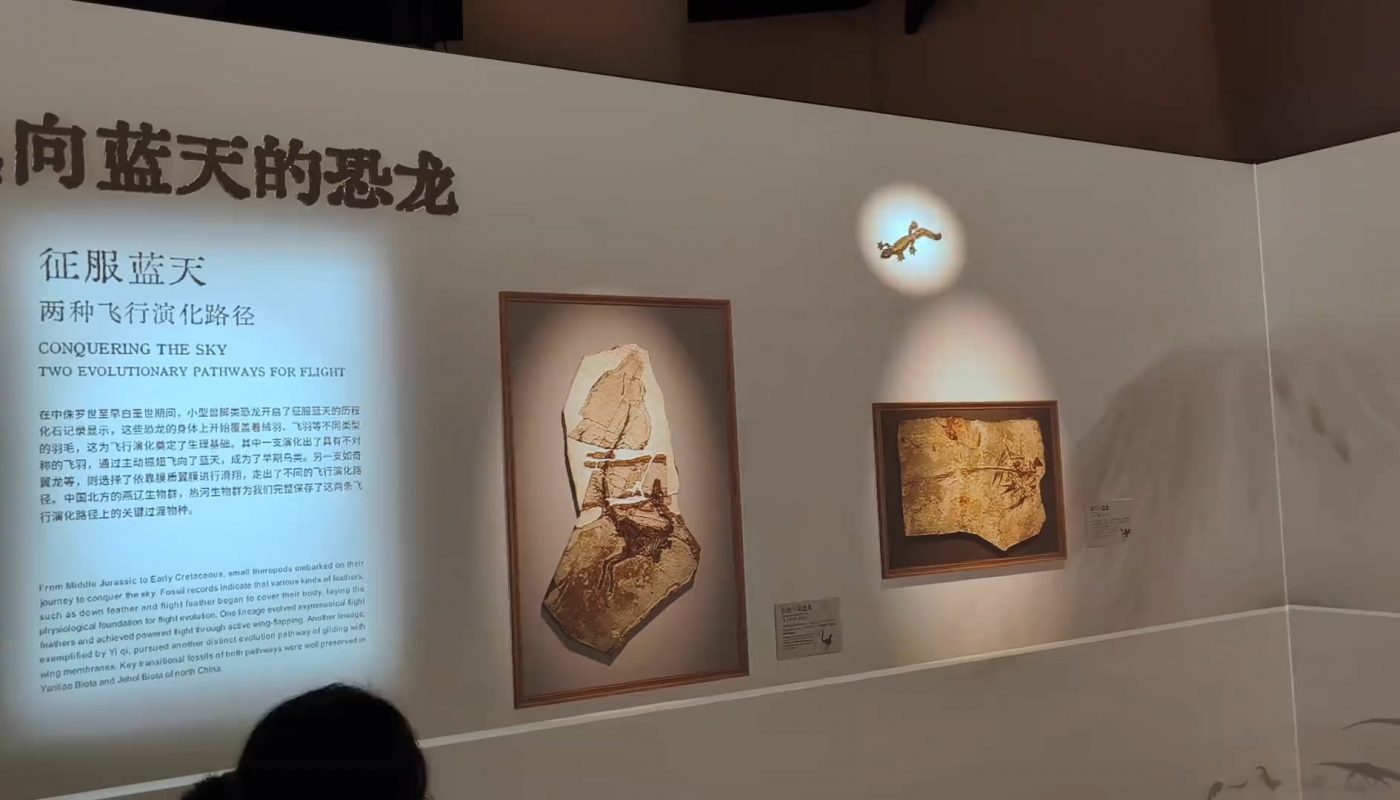
- Holographic Displays: Projections of life-sized dinosaurs that appear to roam museum floors.
- AI-Driven Animation: Algorithms that simulate realistic movement based on biomechanical studies.
Why 3D Revivification is a Game-Changer for Museums
1. Education Through Engagement
Traditional exhibits rely on placards and imagination. 3D revivification lets visitors see dinosaurs hunt, graze, and interact in real time. For example, the Smithsonian’s National Museum of Natural History uses AR to overlay fleshed-out, textured dinosaurs over their skeleton displays, bridging the gap between bone structure and living anatomy.
2. Accessibility for All Ages
Interactive exhibits captivate younger audiences while offering deeper layers of information for adults. Touchscreens allow users to manipulate 3D models, zooming in on feathered Velociraptors or examining a Stegosaurus’s spiked tail up close.
3. Advancing Scientific Accuracy
Paleontologists collaborate with digital artists to ensure models reflect the latest research, from feather patterns to muscle structure. The American Museum of Natural History’s “T. rex: The Ultimate Predator” exhibit even updates its digital displays as new discoveries emerge.
4. Preservation Meets Innovation
Fragile fossils remain protected behind glass while their digital counterparts “come alive” for photo ops and educational demonstrations—reducing wear-and-tear on priceless artifacts.
Pioneering Exhibits to Visit
Experience 3D revivification firsthand at these leading institutions:
- The Field Museum (Chicago, USA): The “Evolving Planet” exhibit features a VR journey through 4 billion years of evolution, including encounters with gigantic Argentinosaurs.
- Natural History Museum (London, UK): Their “Dippy Returns: The Nation’s Dinosaur” tour includes AR-enhanced stops where Diplodocus models spring to life.
- Royal Tyrrell Museum (Alberta, Canada): The “Dinosaurs After Dark” program uses holography to transform fossil halls into nocturnal Cretaceous landscapes.
- Museum für Naturkunde (Berlin, Germany): The “Tristan Otto” T. rex display pairs its skeleton with a 3D-animated counterpart that roars and snaps its jaws.
The Future of 3D Revivification
As technology evolves, expect even more astonishing advancements:
- Haptic Feedback: Gloves that let visitors “feel” dinosaur skin or the impact of a simulated stomp.
- AI-Powered Behavior: Dinosaurs that react to crowd movements or environmental changes in real time.
- Global Collaboration: Museums sharing digitized fossils instantly, enabling scientists to study rare specimens remotely.
Conclusion
3D revivification isn’t just a novelty—it’s revolutionizing how we learn about and connect with Earth’s ancient past. By merging science, art, and innovation, dinosaur museums are no longer confined to static displays. Instead, they offer portals to lost worlds, inspiring wonder and curiosity in a new generation of explorers.
Ready to walk with dinosaurs? Check your local museum’s website for 3D revivification exhibits or plan a trip to the institutions leading this paleontological renaissance. The past has never felt more alive.
Keywords for SEO:
3D revivification, dinosaur museum, virtual reality dinosaurs, augmented reality exhibit, holographic dinosaur, paleontology technology, interactive museum display, fossil scanning, Mesozoic era, T. rex hologram, VR museum experience, biomechanical animation.
Optimization Tips:
- Use keywords naturally in headers and body text.
- Link to museum websites or virtual tours if publishing online.
- Include high-quality images/videos of 3D revivification exhibits for engagement.