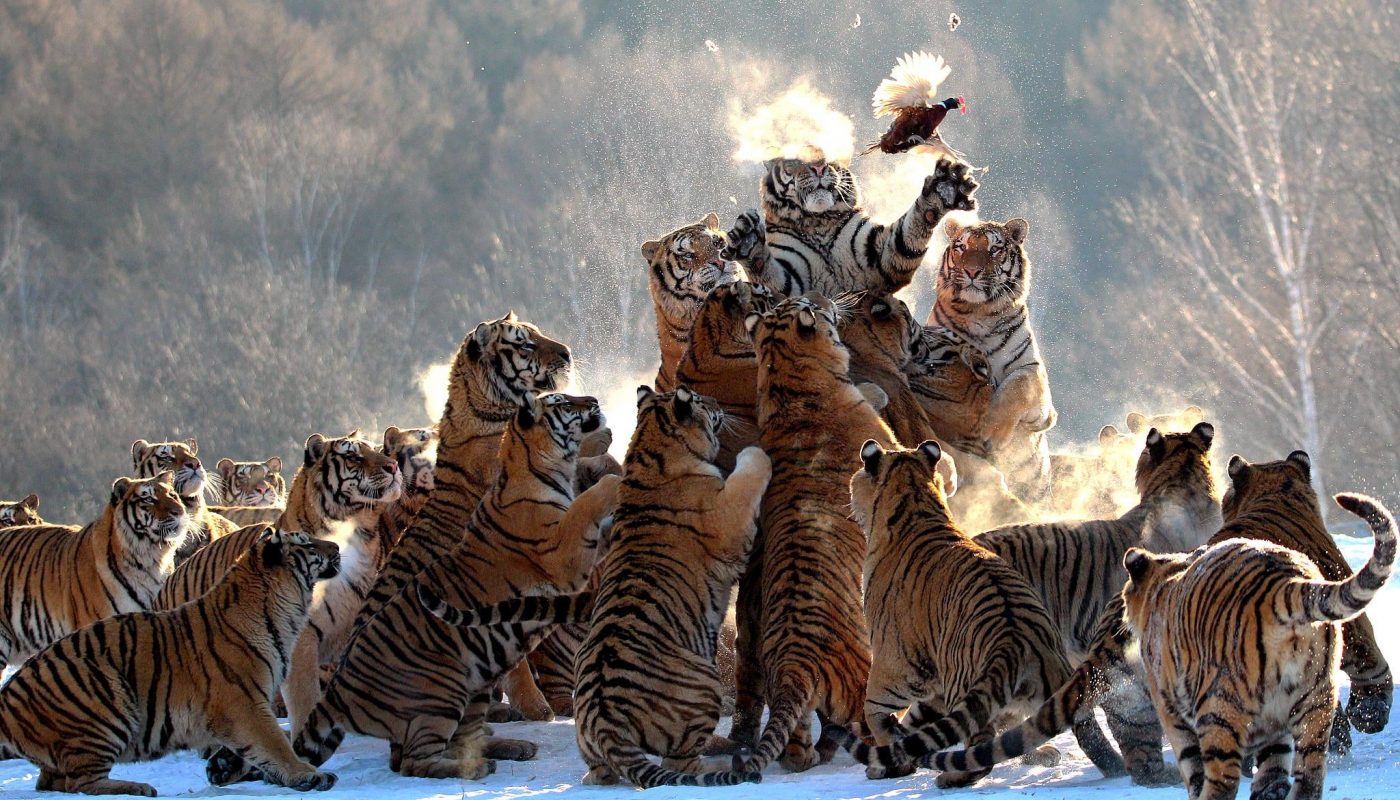
40 Siberian tiger cubs were born at the Hengdaohezi Siberian Tiger Park in 2025
Title: A Roaring Success: 40 Siberian Tiger Cub Births in 2025 Mark Conservation Milestone at Hengdaohezi Park
Meta Description: Discover how the Hengdaohezi Siberian Tiger Park celebrated a historic year in 2025 with the birth of 40 rare Siberian tiger cubs, boosting global conservation efforts for this endangered species.
Introduction: A Bright Future for the Siberian Tiger
In a triumph for wildlife conservation, the Hengdaohezi Siberian Tiger Park in China’s Heilongjiang Province welcomed a record-breaking 40 Siberian tiger cubs in 2025. This unprecedented birth surge offers hope for the endangered Panthera tigris altaica, commonly known as the Amur or Siberian tiger. As one of the world’s largest and most successful breeding centers for these majestic big cats, Hengdaohezi’s achievement underscores decades of dedicated efforts to reverse the species’ decline.
Why 40 Cubs Matter: A Conservation Breakthrough
The Siberian tiger, native to Russia’s Far East and Northeast China, is classified as Endangered by the IUCN, with fewer than 600 individuals left in the wild. Habitat loss, poaching, and climate change threaten their survival, making captive breeding programs critical. The birth of 40 cubs in a single year is extraordinary for three key reasons:
- Genetic Diversity: Each cub represents a vital addition to the gene pool, reducing inbreeding risks.
- Wild Reintroduction Potential: Healthy cubs may eventually join rewilding projects to bolster wild populations.
- Global Symbol of Hope: The milestone inspires international collaboration for big cat conservation.
Inside Hengdaohezi Siberian Tiger Park: A Sanctuary of Success
Established in 1986, the Hengdaohezi Siberian Tiger Park spans over 1.4 million square meters and houses more than 1,000 tigers. Its mission combines research, education, and ecotourism, allowing visitors to observe tigers in semi-wild habitats. The park’s 2025 cub boom reflects its expertise in:
- Advanced Breeding Techniques: Hormonal monitoring and optimized nutrition for mothers.
- Naturalistic Habitats: Encouraging natural behaviors to prepare cubs for potential wild release.
- Veterinary Care: 24/7 monitoring ensures cub survival rates exceed 95%.
The Cubs’ First Steps: Health, Care, and Naming
The 2025 cub cohort—born in litters of 2–4 between March and July—received round-the-clock care from the park’s team. Key highlights include:
- Nutrition: Cubs nurse for 6 months before transitioning to a meat-based diet.
- Socialization: Siblings interact in protected enclosures to develop hunting and social skills.
- Public Engagement: Select cubs were “adopted” via a global naming campaign, raising funds for conservation.
The Bigger Picture: Siberian Tigers and Ecological Impact
Siberian tigers are apex predators, playing a critical role in maintaining forest ecosystem balance. Their presence regulates herbivore populations, supports biodiversity, and even mitigates climate change by preserving carbon-capturing vegetation. Hengdaohezi’s cubs thus represent more than cute faces—they’re ecological ambassadors.
Challenges Ahead: From Captivity to the Wild
While the cubs thrive in captivity, reintroducing them to the wild remains complex. The park collaborates with Russia’s Land of the Leopard National Park and WWF to address:
- Habitat Protection: Combatting deforestation and illegal logging in tiger corridors.
- Anti-Poaching Measures: Strengthening patrols to curb demand for tiger parts.
- Community Education: Empowering locals to coexist with tigers through eco-tourism.
How You Can Support Siberian Tigers
- Visit Responsibly: Tourism revenue funds Hengdaohezi’s conservation work.
- Donate: Organizations like the World Wildlife Fund (WWF) and Global Tiger Forum accept contributions.
- Spread Awareness: Share this story to highlight conservation wins!
Conclusion: A New Generation Roars to Life
The birth of 40 Siberian tiger cubs at Hengdaohezi in 2025 is more than a statistic—it’s a beacon of resilience for a species on the brink. As these cubs grow, they carry the promise of a wilder, healthier planet. Through continued global cooperation, we can ensure the Siberian tiger’s roar echoes for generations to come.
Keywords for SEO: Siberian tiger cubs, Hengdaohezi Siberian Tiger Park, Amur tiger conservation 2025, endangered species success, tiger breeding program, wildlife conservation milestones, visit Siberian tiger park, save the Siberian tiger.
Image Alt-Tags for SEO:
- “40 Siberian tiger cubs playing at Hengdaohezi Park”
- “Siberian tiger mother with cubs in natural habitat”
- “Hengdaohezi Tiger Park aerial view showing expansive enclosures”
Sources:
- International Union for Conservation of Nature (IUCN) Red List
- World Wildlife Fund (WWF) Tiger Conservation Initiatives
- Official Press Releases from Hengdaohezi Siberian Tiger Park
Author Bio: [Your Name/Brand] is a wildlife conservation advocate and content creator dedicated to sharing stories of endangered species and ecosystem recovery.
Call to Action:
Love tigers? Share this article to celebrate Hengdaohezi’s historic achievement! 🐅💚