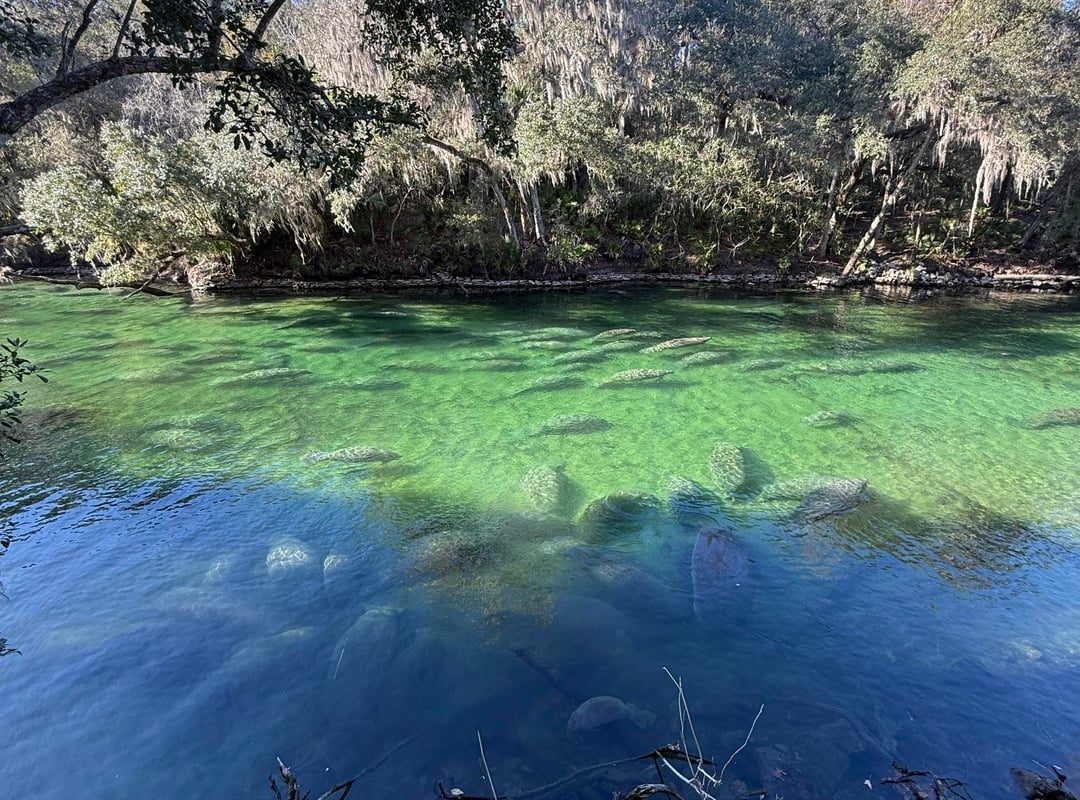
697 Threatened Florida Manatees Fleeing Cold Waters
Title: Why 697 Threatened Florida Manatees Are Fleeing Cold Waters (And How to Help)
Meta Description: Discover why hundreds of Florida manatees escape cold waters annually, the threats they face, and how conservation efforts are working to save these gentle giants.
Hundreds of Florida manatees are on the move as winter approaches, seeking refuge from plummeting temperatures. In a recent wildlife update, conservationists reported 697 threatened Florida manatees congregating in warm-water sanctuaries to survive the cold—a critical migration that underscores their vulnerability. This article explores why cold water threatens manatees, where they find shelter, and how humans can protect these iconic marine mammals.
Why Cold Water Is Deadly for Florida Manatees
Florida manatees (Trichechus manatus latirostris), listed as “threatened” under the U.S. Endangered Species Act, are highly sensitive to cold. Unlike whales or seals, these slow-moving herbivores lack insulating blubber. When water temperatures drop below 68°F (20°C), they risk cold stress syndrome: hypothermia, weakened immunity, and even death.
- Cold Stress Symptoms: Shivering, slow movement, and white lesions on the skin.
- Long-Term Impact: Chronic cold exposure makes manatees susceptible to pneumonia, infections, and boat collisions due to sluggishness.
Where Do Manatees Go to Escape the Cold?
To survive winter, manatees flock to natural warm-water refuges and human-made heat sources. The 697 manatees cited in recent reports were observed in key Florida habitats like:
- Natural Springs: Crystal River’s Three Sisters Springs and Blue Spring State Park, where 72°F (22°C) spring water provides sanctuary.
- Power Plant Outflows: Sites like Cape Canaveral’s energy plants, which discharge warm water—now a lifeline for over 60% of Florida’s manatee population.
- Thermally Polluted Canals: Urban areas like Fort Lauderdale, where manatees linger near warm runoff.
Without these refuges, mass mortality events could occur—like the 2021–2023 “unusual mortality event” where 2,000+ manatees died, partly due to cold stress and habitat loss.
The 697 Manatee Count: What It Means
The figure of 697 manatees comes from the Florida Fish and Wildlife Conservation Commission (FWC), which conducts annual aerial surveys during cold snaps. This number reflects:
- A successful migration to monitored warm-water zones.
- A concerning dependency on artificial heat sources (e.g., power plants), which may close as energy systems modernize.
Conservation Efforts Saving Manatees
Organizations like Save the Manatee Club and FWC are racing to protect these gentle giants through:
- Habitat Restoration: Expanding access to springs by removing dams and invasive vegetation.
- Rescue Networks: Rehabilitating sick/injured manatees (e.g., ZooTampa’s Critical Care Center).
- Policy Advocacy: Designating new “Manatee Protection Zones” and reducing boat speeds.
How You Can Help Florida’s Manatees
- Donate: Support nonprofits like Save the Manatee Club.
- Practice Responsible Boating: Follow speed limits in manatee zones.
- Reduce Pollution: Fertilizers and wastewater fuel algal blooms that destroy seagrass (manatees’ primary food).
- Report Distressed Manatees: Call FWC’s hotline at 1-888-404-3922.
FAQs About Florida Manatees
Q: Why are Florida manatees considered “threatened”?
A: Habitat loss, boat strikes, and climate change threaten their survival, though conservation has reduced immediate extinction risk.
Q: How long can manatees survive in cold water?
A: Without warm refuge, they may die within days due to cold stress.
Q: Do manatees only live in Florida?
A: Primarily, but some summer in Georgia, the Carolinas, or as far west as Texas.
Q: What’s the biggest threat to manatees besides cold?
A: Starvation due to seagrass loss caused by water pollution and algal blooms.
Final Thoughts
The sight of 697 Florida manatees huddling for warmth is a poignant reminder of their fragility. As climate change worsens winter cold snaps and human activity degrades their habitats, proactive conservation is critical—not just for manatees, but for the entire Florida ecosystem. By supporting restoration efforts and advocating for cleaner waters, we can ensure future generations witness these majestic animals thriving in the wild.
Keywords for SEO: Florida manatees, threatened species, cold water refuge, manatee conservation, warm-water habitats, manatee migration, manatee cold stress, Florida wildlife, how to help manatees, endangered marine mammals.