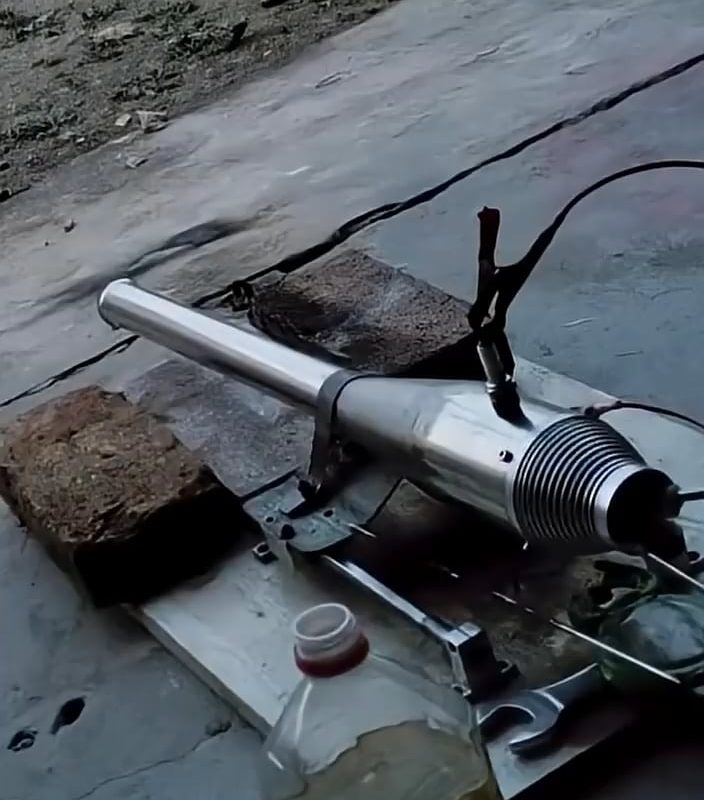
DIY Pulse Jet Engine model
Title: DIY Pulse Jet Engine Model: A Step-by-Step Guide to Building Your Own Mini Jet Engine
Meta Description: Discover how to build a DIY pulse jet engine model with safe, step-by-step instructions. Learn the science behind pulse jets, required materials, and safety tips for aerospace enthusiasts.
Introduction
The pulse jet engine is one of the simplest jet propulsion systems ever invented—powering everything from WWII-era missiles to homemade go-karts and experimental drones. Unlike turbojets, pulse jets have no moving parts (aside from optional valves), relying instead on a cycle of explosions to generate thrust. Building a DIY pulse jet engine model is a thrilling project for engineering enthusiasts, but it requires strict adherence to safety protocols due to extreme heat, flammable fuels, and loud noise.
In this guide, you’ll learn the basics of pulse jet functionality, a simple design blueprint, and critical safety precautions to help you succeed.
How Does a Pulse Jet Engine Work?
Pulse jets operate on the “pulse combustion” principle in four stages:
- Intake: A fuel-air mixture enters the combustion chamber.
- Ignition: A spark ignites the mixture, creating an explosion.
- Expulsion: The explosion forces exhaust gases out of the tailpipe, generating thrust.
- Suction: The escaping gases create low pressure, drawing fresh air/fuel into the chamber—repeating the cycle.
Pulse jets are categorized into two types:
- Valved: Uses reed valves to control airflow (e.g., the iconic Argus As 014 engine used in Nazi V-1 rockets).
- Valveless: No moving parts; relies on tuned exhaust and intake pipes to manage airflow (simpler but less efficient).
For DIY purposes, a small valveless model is the most beginner-friendly.
Materials & Tools Required
Materials
- Steel or stainless steel pipes (2–3 inch diameter for the combustion chamber; 1–1.5 inches for the tailpipe).
- Propane fuel tank + regulator (or aerosol butane for small models).
- Spark plug + ignition coil (for starting combustion).
- High-temperature epoxy or welding equipment (for assembly).
- Metal sheet for reflectors/framework.
Tools
- Angle grinder or hacksaw (for cutting metal).
- Welder (MIG/TIG) or propane torch for brazing.
- Drill + metal drill bits.
- Fire extinguisher and protective gear (mandatory!).
Step-by-Step Assembly Guide
(Disclaimer: Work outdoors in a fire-safe area. Wear gloves, eye protection, and fire-resistant clothing.)
1. Design Your Engine
- Size: For beginners, aim for a 12–18-inch total length. Use a proven design like the Lockwood-Hiller valveless model (search online for blueprints).
- Cut the pipes:
- Combustion Chamber: 6-inch length of wider pipe.
- Tailpipe/Exhaust: 12-inch length of narrower pipe.
- Intake: A shorter pipe (angled at 45–60°) welded to the combustion chamber.
2. Weld the Components
Weld the intake and tailpipe to the combustion chamber, ensuring airtight seams. For no-weld builds, use high-temperature epoxy (though welding is safer).
3. Install Fuel Injection & Ignition
- Drill a small hole near the combustion chamber for the fuel nozzle (attach a propane torch tip via tubing).
- Mount a spark plug at the combustion chamber’s front end and wire it to a 12V battery via an ignition coil.
4. Test Safely
- Secure the engine to a test stand (e.g., steel table) facing away from people/objects.
- Open the propane valve slightly and ignite the spark plug. Adjust fuel flow until you hear rhythmic explosions (1–5 Hz).
Safety Warnings
- Fire Risk: Always keep a fire extinguisher and bucket of sand nearby. Avoid testing near dry grass or flammable materials.
- Noise Hazard: Pulse jets operate at 120 dB+—use ear protection and warn neighbors.
- Legal Considerations: Check local laws regarding homemade engines or open combustion.
Pulse Jet FAQs
Q: Can this power a bike, drone, or go-kart?
A: Yes, but larger thrust requires precision engineering and fuel systems—beyond DIY basics. Start small!
Q: Are pulse jets fuel-efficient?
A: No—they’re notorious for high fuel consumption compared to turbojets. Efficiency isn’t their strong suit!
Q: What’s the simplest pulse jet design?
A: The “Chinese” valveless model (straight exhaust + U-shaped intake) is popular for its simplicity.
Q: How much thrust can a DIY pulse jet produce?
A: Small models generate 5–20 lbs of thrust—enough to propel lightweight models or demonstrate jet principles.
Conclusion
Building a DIY pulse jet engine is a high-risk, high-reward project that offers invaluable insights into jet propulsion and combustion dynamics. While this guide simplifies the process, remember that pulse jets are not toys. Prioritize safety, start small, and refine your design incrementally.
For deeper dives, explore forums like The Jet and Turbine Owners (JATO) or The Pulse Jet Engine Builders Group for tested designs and expert advice. Happy (and safe) building!
Target Keywords:
- DIY Pulse Jet Engine
- Homemade Jet Engine Model
- How to Build a Pulse Jet
- Valveless Pulse Jet Design
- Mini Jet Engine Tutorial
Optimize this article by adding internal links to related projects (e.g., DIY rocket stoves, propane forge guides) and embedding a YouTube tutorial video on pulse jet assembly.