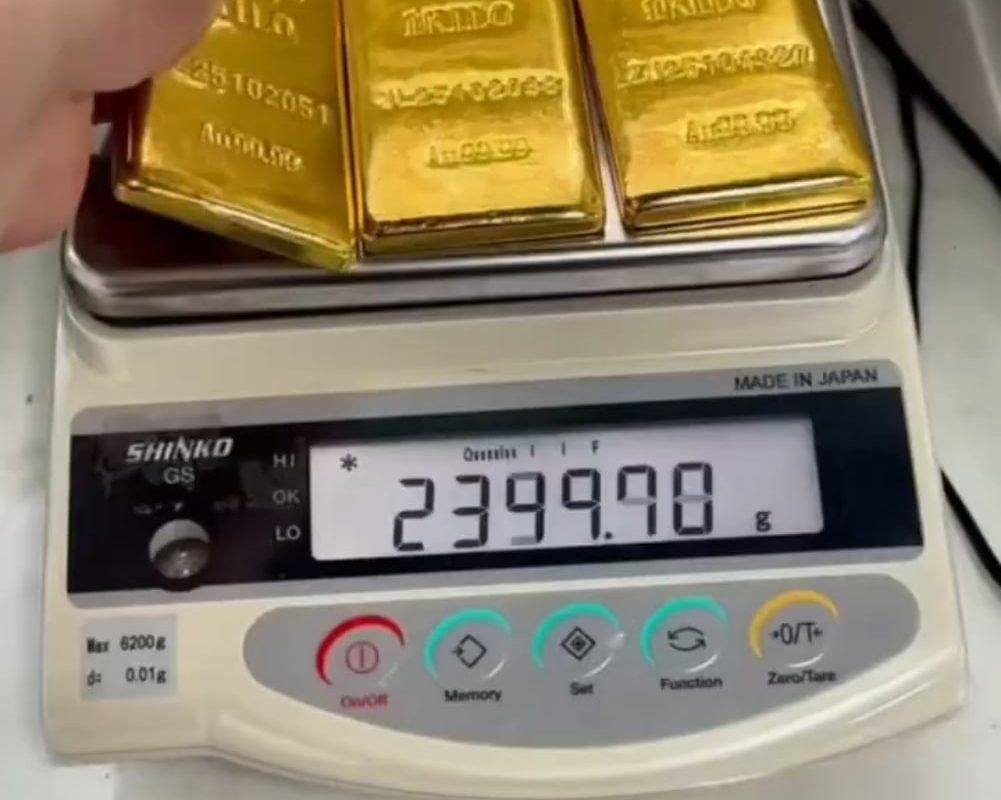
Making a solid gold cooking pot.
Title: Crafting Luxury: The Extravagant Process of Making a Solid Gold Cooking Pot
Meta Description: Discover the fascinating process, challenges, and allure of creating a solid gold cooking pot—a symbol of ultimate luxury. Explore the artistry, cost, and practicality behind this rare culinary masterpiece.
Introduction
Imagine a cooking pot that transcends utility—an object that blends culinary function with breathtaking opulence. A solid gold cooking pot isn’t just kitchenware; it’s a statement of wealth, craftsmanship, and artistic ambition. While impractical for everyday use, these gilded masterpieces captivate collectors and luxury enthusiasts alike. In this article, we unravel the intricate process of making a solid gold pot, its purpose, and whether it’s truly feasible.
Why a Solid Gold Cooking Pot?
Before diving into the how, let’s explore the why. Gold, renowned for its beauty and rarity, symbolizes status and timeless value. A cooking pot made from pure gold serves three primary purposes:
- Prestige & Exclusivity: Gold cookware is a conversation starter, reserved for elite collections or haute cuisine showcases.
- Aesthetic Appeal: The radiant hue of gold elevates kitchen decor and culinary presentation.
- Investment Potential: Gold retains value, making such pieces heirlooms or assets.
The Making of a Solid Gold Cooking Pot: A Step-by-Step Process
1. Sourcing Pure Gold
A genuine solid gold pot requires 24-karat gold (99.9% pure). Depending on the pot’s size, this could mean sourcing 5–10+ kilograms of gold—a cost of $300,000–$1,000,000+ at current market rates. Most craftspeople work with certified refiners to ensure purity.
2. Design & Engineering
- Purpose: Will the pot function as art, a display piece, or an occasional culinary tool?
- Shape & Thickness: Gold is soft (3/10 on the Mohs hardness scale), so the pot must be thicker (3–5mm) to withstand minimal use.
- Handles & Stability: Reinforcements like titanium or platinum alloys may be needed to prevent warping under heat.
3. Casting vs. Sheet Gold Construction
- Casting: Molten gold is poured into a mold. Heavy and prone to imperfections, this method is rare for large cookware.
- Sheet Gold Fabrication: Goldsmiths hammer or roll gold sheets into shape. More precise but labor-intensive (think of ancient armor crafting).
4. Crafting the Pot’s Body
Artisans meticulously weld gold sheets into a seamless cylindrical or rounded form. Precision is critical—gold’s malleability allows for smooth curves but demands expert handling to avoid dents.
5. Adding Functional Elements
- Lid: Often designed with gemstones or engravings to enhance luxury.
- Handles: Reinforced with stronger metals (e.g., steel core) for safety.
- Base: Insulated layers may be added to protect surfaces from heat.
6. Testing & Refinement
Gold melts at 1,064°C (1,947°F)—well above standard stovetop temperatures (typically <500°C). However, prolonged heat risks warping. Testing ensures stability for gentle uses (e.g., warming soups or sauces).
7. Finishing Touches
Polishing and engraving techniques like embossing or laser etching personalize the piece. Some may coat the interior with non-reactive materials (e.g., ceramic) to prevent tarnishing.
Challenges of a Gold Cooking Pot
- Cost: Raw materials alone exceed most kitchen budgets. Add labor (goldsmiths charge $100–$300/hour), and costs skyrocket.
- Practicality:
- Poor Heat Conductivity: Copper or aluminum heats faster; gold’s thermal properties are mediocre.
- Softness: Prone to scratches, dents, and warping.
- Safety: Avoid acidic ingredients (e.g., tomatoes) to preserve the gold’s luster.
- Maintenance: Regular polishing with pH-neutral cleaners is essential.
Who Commissions Solid Gold Cookware?
- Luxury Hotels & Michelin Restaurants: For exclusive dining experiences or displays.
- Collectors: As rare artworks or investments.
- Royalty & Ultra-High-Net-Worth Individuals: To flaunt unimaginable wealth (e.g., Dubai’s gold-obsessed elite).
Alternatives to Pure Gold Pots
For those enamored by gold aesthetics without the impracticality:
- Gold-Plated Cookware: A steel/copper base coated with a thin gold layer. Affordable but less durable.
- Gold-Tone Ceramics: Adds glamour at a fraction of the cost.
- Gold Flake Decor: Gold leaf accents on serving dishes or utensils.
FAQ: Solid Gold Cooking Pot Basics
Q: Can you cook in a solid gold pot?
A: Technically yes—gold is non-toxic and non-reactive. However, it’s best for gentle warming to avoid damage.
Q: How long does a gold pot last?
A: With careful use, centuries! Gold doesn’t corrode, making it a lasting heirloom.
Q: Where can I buy one?
A: Bespoke jewelers (e.g., Asprey London) or artisanal goldsmiths create custom pieces. Expect waiting periods of 6–12 months.
Final Thoughts
A solid gold cooking pot is less a culinary tool and more a testament to human ingenuity and extravagance. While impractical, it embodies the intersection of art, wealth, and culinary theater. For most, it remains a fantastical luxury—one that dazzles in concept but proves reality is best left to stainless steel.
Tags: #SolidGoldCookingPot #LuxuryKitchenware #GoldCookware #BespokeCraftsmanship #ExclusiveCulinaryGear
Call to Action: Intrigued by luxury culinary design? Subscribe to our newsletter for more on rare kitchenware and opulent gastronomy trends!