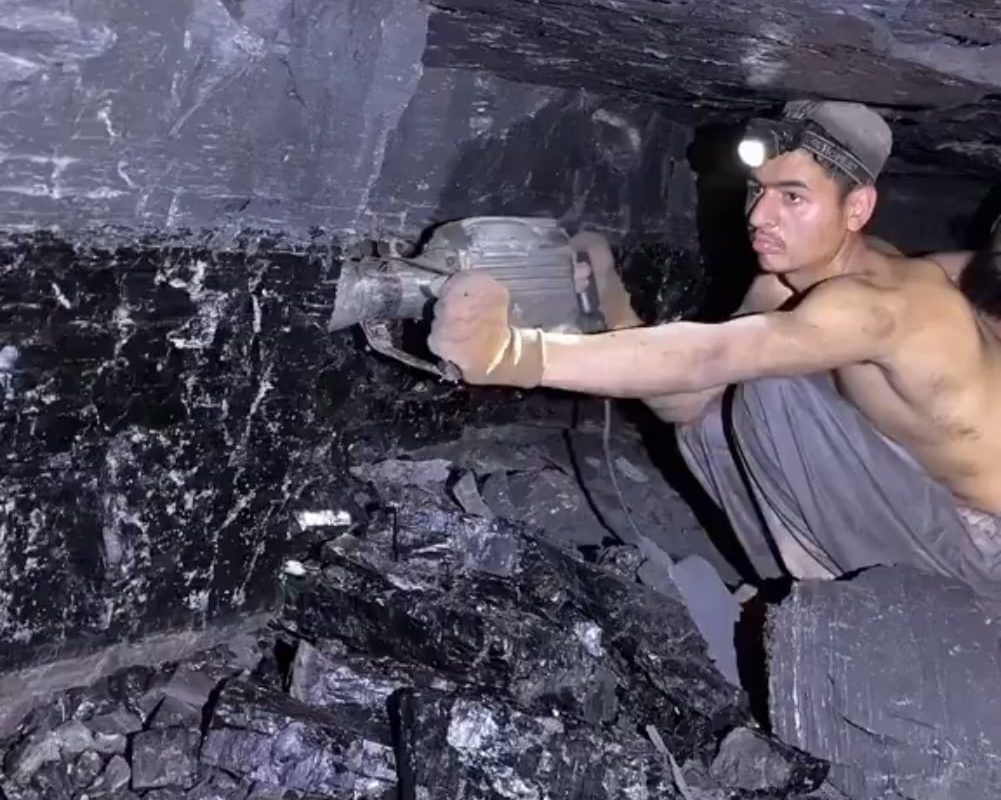
Black diamond mining.
Unearthing the Mysteries: A Deep Dive into Black Diamond Mining
Black diamonds – enigmatic, alluring, and shrouded in legends – stand apart from their sparkling white counterparts. Also known as “carbonados,” these rare, opaque gems have fascinated jewelers, geologists, and collectors for centuries. But how are these captivating stones sourced from the Earth? This article explores the fascinating world of black diamond mining, its history, methods, ethical challenges, and the unique value of these geological marvels.
What Are Black Diamonds?
Black diamonds aren’t simply white diamonds with a dark hue. Unlike traditional diamonds formed deep in the Earth’s mantle, carbonados are polycrystalline aggregates of diamond, graphite, and amorphous carbon. Their distinctive color comes from inclusions like graphite, pyrite, or hematite, giving them a smoky, metallic luster. Their rarity and unconventional origins make them prized in high-end jewelry and industrial applications.
The Geological Riddle: Where Do Black Diamonds Come From?
Most diamonds form under extreme pressure in the Earth’s mantle, but black diamonds remain a scientific puzzle. Two leading theories explain their formation:
- Supernova Origins: Some scientists believe black diamonds originated from a supernova explosion, arriving on Earth via meteorites.
- Terrestrial Formation: Others propose they formed under unique high-pressure conditions during tectonic collisions.
Most deposits are found in Central Africa (notably the Central African Republic) and Brazil, often in alluvial deposits near rivers, rather than deep volcanic pipes like white diamonds.
How Are Black Diamonds Mined?
Black diamond mining employs techniques similar to traditional diamond extraction but with key differences due to their geological settings:
1. Alluvial Mining
- Location: Washing of riverbeds and floodplains where diamonds eroded from primary deposits.
- Method: Manual laborers (often artisanal miners) sift through sediment using pans, sieves, and shovels.
- Challenges: Labor-intensive, low yields, and environmental disruption.
2. Open-Pit Mining
- Used for larger deposits, usually in Brazil.
- Heavy machinery removes layers of soil and rock to access diamond-bearing gravel.
- Requires significant capital investment and environmental oversight.
3. Industrial Hard-Rock Mining
- Rare for black diamonds due to their scarcity in primary kimberlite pipes.
- Involves drilling, blasting, and processing kimberlite ore to extract diamonds.
Ethical and Environmental Challenges
Mining black diamonds, especially in conflict-prone regions like CAR, raises critical concerns:
- Conflict Diamonds: CAR has a history of rebel groups exploiting diamond mines to fund violence.
- Labor Practices: Artisanal mining often involves dangerous conditions, child labor, and unfair wages.
- Environmental Impact: River mining disrupts ecosystems and contaminates water supplies.
Solutions:
- Kimberley Process: Certifies diamonds as conflict-free (though critics argue enforcement is weak).
- Ethical Sourcing: Brands like James Allen and Brilliant Earth now offer traced carbonados.
- Recycling: Vintage and lab-grown black diamonds reduce demand for mined stones.
The Value of Black Diamorns: Rarity vs. Demand
Despite their scarcity, black diamonds are often more affordable than colorless diamonds due to:
- Lower Jewelry Demand: Their opaque nature limits brilliance, making them less popular for engagement rings.
- Industrial Use: Low-quality carbonados are used in drilling and cutting tools.
However, high-quality black diamonds with precision cutting can fetch premium prices. Notable examples:
- The Black Orlov (67.5 carats, shrouded in诅咒 legends).
- The Spirit of de Grisogono (312.24 carats, the largest cut black diamond).
Black Diamonds in Jewelry: Trends & Craftsmanship
Modern jewelers embrace black diamonds for their bold, gothic elegance. Popular designs include:
- Contrast Settings: Paired with white diamonds or rose gold.
- Men’s Jewelry: Used in rings and cufflinks for a minimalist edge.
- Statement Pieces: Oversized necklaces and earrings.
Renowned brands like Tiffany & Co. and Cartier feature carbonados in avant-garde collections.
The Future of Black Diamond Mining
With declining natural deposits and rising ethical standards, the industry is evolving:
- Lab-Grown Black Diamonds: Chemically identical but conflict-free.
- Blockchain Tracking: Ensures transparency in supply chains.
- Eco-Friendly Mining: Innovations like zero-chemical processing.
FAQ: Quick Facts About Black Diamond Mining
-
Are black diamonds naturally black?
Yes – their color comes from mineral inclusions, not treatments (though some are heat-enhanced). -
Which country mines the most black diamonds?
Central African Republic and Brazil dominate production. -
Are black diamonds more durable?
Yes! Their polycrystalline structure makes them tougher than white diamonds. -
How much is a 1-carat black diamond worth?
Between $500–$3,000, depending on cut and origin.
Conclusion: The Dark Allure of Carbonados
Black diamond mining blends geology, history, and human ingenuity. While these gems symbolize mystery and resilience, their journey from mine to market must prioritize ethics and sustainability. As consumers, choosing certified or recycled stones ensures we preserve both Earth’s treasures and human dignity.
Meta Tags & SEO Keywords:
Black diamond mining, carbonados, black diamond value, conflict-free diamonds, how black diamonds are mined, central african republic diamonds, black diamond jewelry, ethical diamond sourcing, lab-grown black diamonds, are black diamonds rare?
Optimized for search intent around black diamond origins, mining ethics, pricing, and jewelry trends.