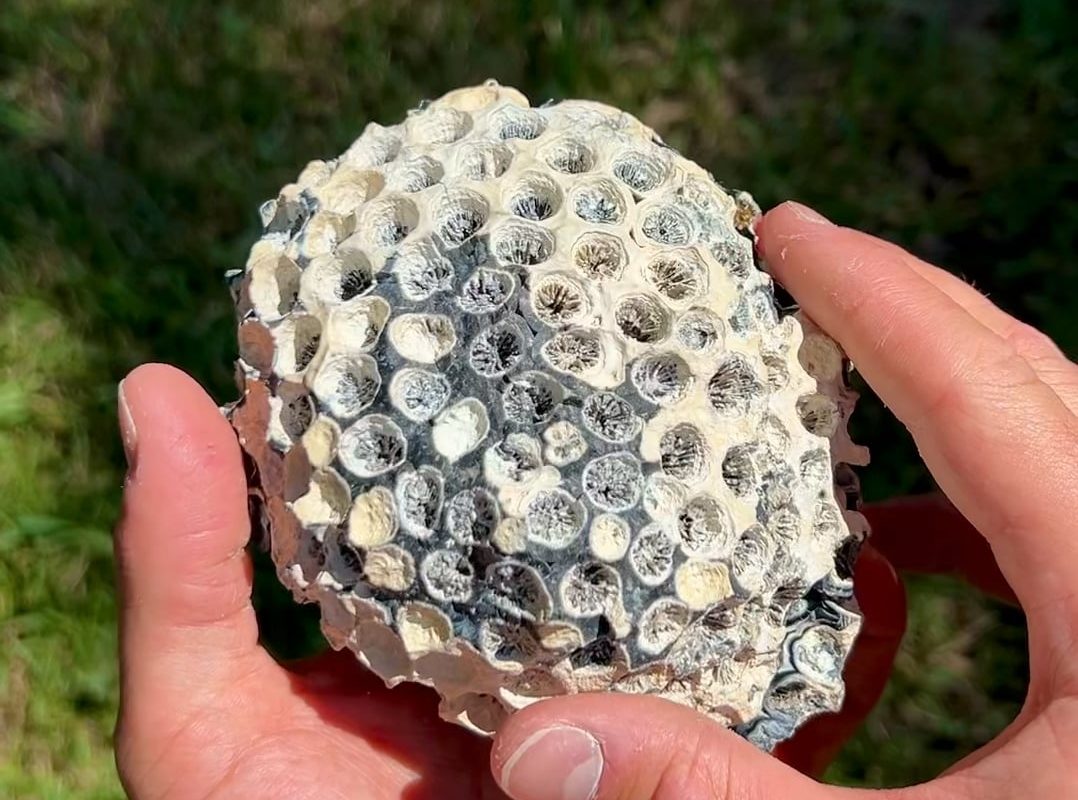
Agatized Brain Coral I found in Florida
Title: Discovering Agatized Brain Coral in Florida: A Fossil Hunter’s Treasure
Meta Description: Uncover the secrets of agatized brain coral fossils found in Florida, including where to hunt, how to identify them, and the fascinating geological history behind these ancient gems.
Introduction
Florida’s sun-drenched shores and limestone-rich landscapes are a paradise for fossil enthusiasts. Among its most extraordinary geological treasures is agatized brain coral—a stunning fossilized relic of ancient marine life transformed into colorful, gem-like stone. Whether you’re a seasoned rockhound or a curious beginner, discovering one of these fossils is like holding a piece of Earth’s deep history. In this guide, we’ll explore what agatized brain coral is, why Florida is a hotspot for these fossils, and how you can hunt for them responsibly.
What is Agatized Brain Coral?
Agatized brain coral is a fossilized remnant of Diploria or Colpophyllia—two types of coral that thrived in Florida’s shallow seas millions of years ago. Over time, silica-rich groundwater percolated through the coral’s calcium carbonate structure, replacing it molecule by molecule with quartz (agate). The result? A breathtaking silica replica of the coral’s intricate, labyrinthine “brain-like” pattern, often vibrant with hues of red, orange, yellow, or blue.
These fossils are prized for both their scientific value and their beauty, making them popular among collectors, jewelers, and lapidary artists.
Why Florida? A Geological Goldmine
Florida’s unique geology makes it one of the world’s best places to find agatized coral:
- Ancient Reefs: 15–30 million years ago, Florida was submerged under a warm, shallow sea teeming with coral reefs. As sea levels dropped, these reefs died and fossilized.
- Silica-Rich Groundwater: Volcanic activity in neighboring regions released silica into Florida’s groundwater, enabling the agatization process.
- Exposed Limestone: Erosion and mining activities in central and north Florida (e.g., Tampa Bay, Withlacoochee River) have unearthed countless fossils.
Where to Find Agatized Brain Coral in Florida
While fossil hunting is legal in many public areas (with restrictions), these spots are renowned for agatized coral:
- Rucks Pit (Fort Drum): A privately owned former mine famous for “honey-colored” agatized coral with calcite crystals. Note: Access requires a fee.
- Econfina River: Scour gravel bars for water-worn pieces after heavy rains.
- Withlacoochee River/Suwannee River: Fossil-rich gravels yield agatized coral and petrified wood.
- Tampa Bay Area: Construction sites and quarries (with permission) often expose fossils.
Always check local regulations! Most state parks prohibit collecting, but private lands and designated sites allow it.
How to Hunt for Agatized Coral
-
Tools to Bring:
- Safety glasses, gloves, and a rock hammer or shovel.
- A sieve or sifter for river hunting.
- A field guide to distinguish brain coral from other fossils.
-
Identifying Agatized Coral:
- Look for a domed shape with a signature “grooved” pattern.
- Test hardness: Agate (7 on Mohs scale) scratches glass.
- Shine a light through it—translucency indicates silicification.
-
Ethical Collecting:
- Obtain landowner or site permissions.
- Avoid fragile ecosystems (e.g., live reefs or protected parks).
- Report scientifically significant finds to local museums.
Preserving Your Discovery
Agatized coral fossils are robust but benefit from gentle care:
- Clean with water and a soft brush (avoid harsh chemicals).
- Polish with a rotary tumbler or lapidary equipment to enhance colors.
- Display in a UV-protected case to prevent color fading.
For rare or museum-quality pieces, consult a professional fossil preparator.
The Magic of Holding History
Finding agatized brain coral isn’t just a thrill—it’s a tangible connection to Florida’s prehistoric past. Each fossil tells the story of a vibrant reef ecosystem that vanished long before humans walked the Earth. Whether you’re drawn to its natural art, scientific wonder, or metaphysical allure (some believe agate promotes balance!), this ancient gem is a Florida adventure waiting to happen.
FAQ
Q: Is it legal to collect agatized coral in Florida?
A: Yes, on private land (with permission) and designated sites like Rucks Pit. State/federal parks forbid collecting.
Q: How old are these fossils?
A: Most are 15–30 million years old (Miocene to Oligocene epochs).
Q: Can agatized coral be used in jewelry?
A: Absolutely! Its hardness and color make it ideal for cabochons, beads, and pendants.
Final Tips for Success
- Join a Florida fossil club (e.g., Florida Fossil Hunters) for insider knowledge.
- Visit museums like the Florida Museum of Natural History to see curated specimens.
- Be patient—nature’s treasures reward perseverance!
Happy Hunting! 🪨🌊
Keywords for SEO:
Agatized brain coral Florida, Florida fossils, Coral fossil hunting, Agatized coral, Fossil collecting Florida, Brain coral fossils, Rucks Pit Florida, Econfina River fossils, How to find agatized coral, Florida geology.