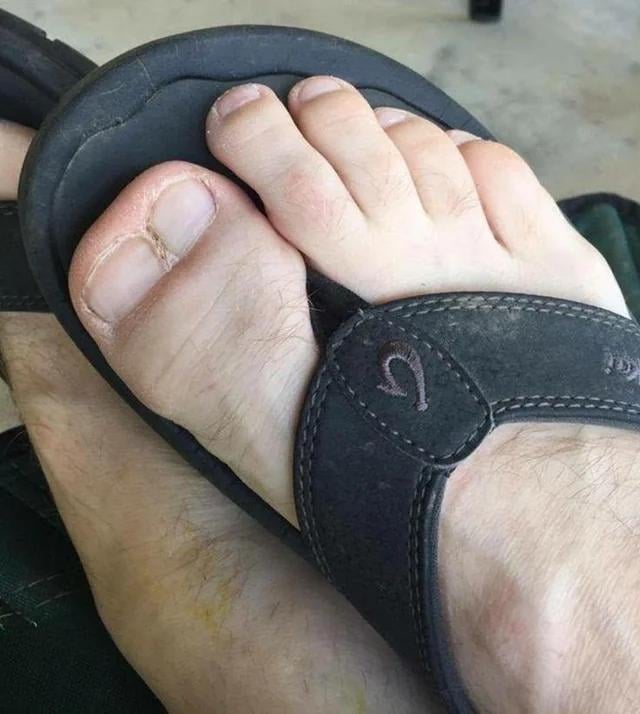
Polysyndactyly (or synpolydactyly) is a congenital condition combining polydactyly (extra fingers or toes) and syndactyly (webbed or fused digits).
Meta Title: Polysyndactyly Explained: Causes, Symptoms, Diagnosis & Treatment
Meta Description: Polysyndactyly (synpolydactyly) is a congenital hand/foot disorder involving extra digits (polydactyly) and fused digits (syndactyly). Learn its causes, treatments, and FAQs.
Polysyndactyly (Synpolydactyly): Understanding This Congenital Hand and Foot Anomaly
Polysyndactyly, also known as synpolydactyly (SPD), is a rare congenital condition that affects the development of fingers and toes. This disorder combines two distinct anomalies:
- Polydactyly: The presence of extra digits (fingers or toes).
- Syndactyly: Fusion or webbing between adjacent digits.
In this article, we’ll explore the causes, symptoms, treatment options, and long-term management of polysyndactyly to help patients, families, and caregivers navigate this condition confidently.
What Causes Polysyndactyly?
Polysyndactyly occurs due to abnormalities in fetal limb development, typically during weeks 4–8 of pregnancy. Its primary causes include:
1. Genetic Mutations
- Most cases are linked to mutations in the HOXD13 gene, inherited in an autosomal dominant pattern.
- Familial genetic syndromes (e.g., Greig cephalopolysyndactyly syndrome) may also contribute.
2. Sporadic Occurrence
- Some cases arise randomly without a family history.
Symptoms and Clinical Presentation
Polysyndactyly is visually identifiable at birth. Common signs include:
- Extra digits appearing as small, partially formed fingers/toes or fully functional digits.
- Fused or webbed skin/tissue between adjacent digits—most often between the 3rd/4th fingers or 4th/5th toes.
- Underlying bone deformities, impacting dexterity or gait if untreated.
Clinically, polysyndactyly is categorized into subtypes:
- Type I: Extra digit between the 3rd and 4th fingers with syndactyly.
- Type II: Complex fusion involving multiple digits/rays.
Diagnosis of Polysyndactyly
Diagnostic steps include:
- Prenatal Ultrasound: Can detect limb abnormalities in utero.
- Physical Examination: Post-birth assessment of digit structure and function.
- Imaging Tests:
- X-rays confirm bone fusion and extra digit anatomy.
- MRI/CT scans evaluate soft tissue involvement.
- Genetic Testing: Recommended for families with inherited syndromes.
Treatment Options for Polysyndactyly
Treatment focuses on improving functionality and appearance. Surgery is the cornerstone of care, typically performed between ages 1–2 to minimize developmental delays.
1. Surgical Intervention
- Digit Separation: Releases fused skin or bones.
- Extra Digit Removal: Excises non-functional digits.
- Reconstruction: Repositions tendons/ligaments to optimize grip or gait.
Multiple procedures may be needed in complex cases.
2. Post-Surgical Care
- Physical/occupational therapy to strengthen motor skills.
- Splinting to support healing and alignment.
3. Long-Term Management
- Regular follow-ups to monitor growth or arthritis risks.
- Psychosocial support (e.g., counseling for children facing self-esteem challenges).
Living with Polysyndactyly
With prompt treatment, most individuals lead active lives. Key considerations include:
- Functional Adaptation: Custom orthotics or assistive tools may improve mobility.
- Emotional Support: Connecting with advocacy groups (e.g., AmeriFace) helps families cope.
FAQs About Polysyndactyly
Q: Is polysyndactyly preventable?
A: No, but genetic counseling can assess recurrence risks for future pregnancies.
Q: Can it affect both hands and feet?
A: Yes—unilateral or bilateral presentation is possible. Feet are less commonly affected than hands.
Q: Is treatment always medically necessary?
A: Surgery is often elective for aesthetics but recommended if function is impaired.
Q: What’s the chance of passing polysyndactyly to my child?
A: If linked to HOXD13 mutations, there’s a 50% chance per pregnancy with an affected parent.
Key Takeaways
- Polysyndactyly merges extra digits and digit fusion, often requiring surgery.
- Early intervention improves outcomes—seek pediatric orthopedic/plastic surgery consults.
- Genetic counseling aids family planning for hereditary cases.
Disclaimer: This article is for informational purposes only. Always consult a healthcare provider for diagnosis and treatment plans suited to individual needs.
Target Keywords:
- Congenital hand condition
- Polysyndactyly treatment
- Extra fingers and webbed toes
- Synpolydactyly causes
- Congenital foot deformity