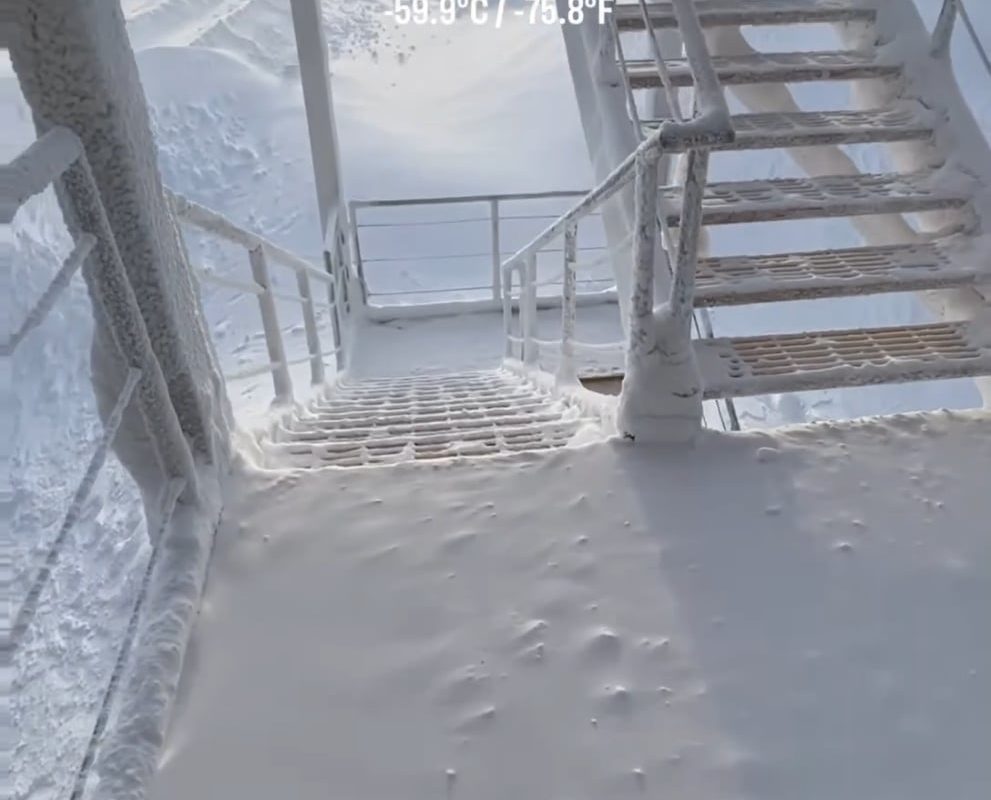
South Pole Station
South Pole Station: Humanity’s Front Line for Discovery in Antarctica
Perched on the Antarctic polar plateau at Earth’s southernmost point, the Amundsen-Scott South Pole Station stands as one of the planet’s most extreme and scientifically critical research outposts. Named after the first explorers to reach the South Pole in 1911 and 1912, this cutting-edge facility operates year-round under the U.S. Antarctic Program (managed by the National Science Foundation). Here’s an in-depth look at what makes this station legendary.
History & Evolution of the South Pole Station
The First Stations: From IGY to the Iconic Dome
- 1957: Built for the International Geophysical Year (IGY), the original station was established just meters from the geographic South Pole. Crews lived in modular huts partially buried under snow.
- 1975: The iconic “Dome Station” replaced the original structures. This 50-meter-wide aluminum geodesic dome housed labs, dormitories, and recreational spaces—but struggled against accumulating snowdrifts.
- 2008: The current elevated station debuted, designed to withstand Antarctica’s brutal conditions with modular architecture, wind-resistant stilts, and automated snow-deflecting systems.

Caption: The evolution of South Pole stations—from original huts to the Dome and today’s elevated complex.
Inside the Modern South Pole Station: Design & Infrastructure
The state-of-the-art facility (78°S latitude) is an engineering marvel tailored for science and survival:
Key Features:
- Elevated Structure: Built on hydraulic stilts to minimize snow buildup (prevents burial).
- Modular Wings: Separate sections for living quarters, laboratories, administrative offices, and power generation.
- Energy Efficiency: Wind turbines supplement diesel generators, reducing the station’s fuel dependency.
- Communications: Satellite links provide internet (limited bandwidth) and real-time data sharing globally.
- Population: Houses ~150 researchers in summer (Nov-Feb); drops to ~50 “winter-overs” during 6 months of polar night (-40°F avg).
Life at the South Pole: Surviving Extreme Isolation
Living conditions here rival space missions in terms of isolation and psychological endurance:
- No Sun for Months: The sun sets in March and doesn’t rise until September, plunging the station into perpetual darkness.
- Medical Constraints: Limited evacuation options in winter. All residents undergo rigorous psychological screening.
- Recreation: Gym, library, greenhouse (fresh veggies!), and holiday celebrations (e.g., “Midwinter Dinner” in June).
Unique Challenges:
- Weather Extremes: Temperatures can plummet to -100°F (-73°C), posing risks of frostbite within minutes.
- Altitude Effects: At 9,300 feet (2,835m), altitude sickness is common for newcomers (“Pole Fatigue”).
Science at the Edge: Pioneering Research Programs
The South Pole’s pristine, dry atmosphere and stable ice make it ideal for groundbreaking studies:
Astronomy & Astrophysics
- IceCube Neutrino Observatory: A mile-deep detector studying cosmic neutrinos to unlock secrets of black holes and supernovae.
- South Pole Telescope (SPT): Maps cosmic microwave background radiation to analyze dark energy, dark matter, and galaxy formation.
Climate & Geoscience
- Atmospheric Monitoring: Air samples track greenhouse gases free from regional pollution.
- Glaciology: Ice cores drilled from the polar plateau reveal 800,000+ years of Earth’s climate history.
Human Physiology
- NASA-sponsored studies on long-term isolation and cold adaptation—critical for future Mars missions.
Visiting the South Pole Station
Travel Logistics
- Fly-In Only: Accessible via specialized aircraft (LC-130 Hercules) from McMurdo Station (Antarctica’s main U.S. hub) during summer.
- Tourist Visits: Brief stops via guided expeditions (Dec-Jan) at the Ceremonial South Pole—a metallic sphere marker for photo ops.
- Zero Permanent Residents: Only scientists, support staff, and NSF officials reside here.
Why This Station Matters Globally
The South Pole Station exemplifies humanity’s quest for knowledge under punishing conditions. Its research transforms our understanding of:
- Climate change impacts through Antarctic ice dynamics.
- The universe’s origins via unprecedented astrophysical data.
- Human resilience in isolated environments—lessons applicable to space exploration.
Conclusion: A Symbol of Endurance & Discovery
The Amundsen-Scott South Pole Station isn’t just a cluster of buildings on the ice—it’s a beacon of international collaboration. From neutrino hunters to climate scientists, its work reshapes our grasp of the planet and cosmos. For researchers braving its extremes, “living at the bottom of the world” is the ultimate adventure in service of science.
Explore More:
SEO Optimization Notes:
- Target Keywords: South Pole Station, Amundsen-Scott Station, Antarctic research, life at South Pole.
- Headers: Used H2/H3 with keyword-focused titles.
- Internal Links: Suggested authoritative sources (NSF, IceCube).
- Image Alt Text: Descriptive captions boost SEO.
- Readability: Bullet points, short sections, and engaging facts enhance user engagement.