Frost Flower Magic
Title: Frost Flower Magic: Nature’s Delicate Winter Masterpiece
Meta Description: Discover the enchanting phenomenon of frost flowers – delicate ice sculptures crafted by nature. Learn how they form, where to find them, and why they’re a fleeting winter wonder.
Frost Flower Magic: Nature’s Delicate Winter Masterpiece
When winter whispers its icy tales across the landscape, nature sometimes responds with an ephemeral, spellbinding masterpiece: frost flowers. Also called “ice flowers” or “frost blossoms,” these intricate formations blur the line between science and enchantment, offering glimpses of a world where water and cold conspire to create fleeting art. In this article, we unravel the magic behind frost flowers, explore how they form, and reveal where you might witness this breathtaking phenomenon.
What Are Frost Flowers?
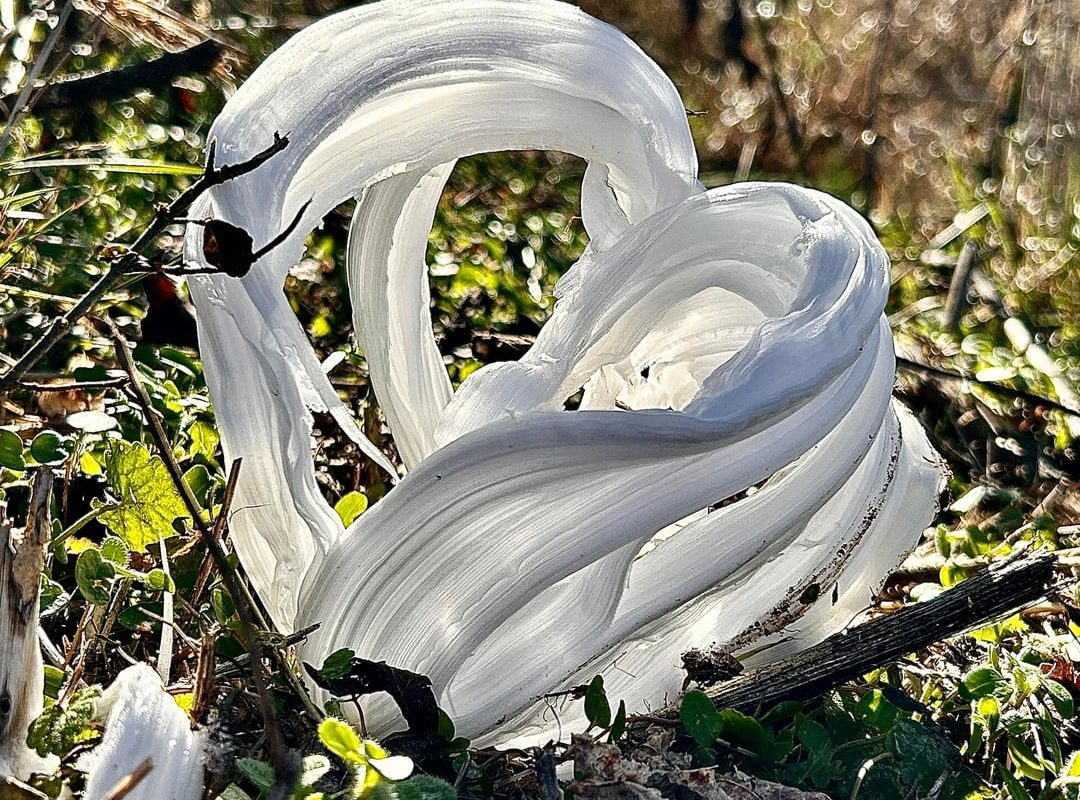
Frost flowers are delicate, ribbon-like ice sculptures that curl from the stems or twigs of certain plants during freezing conditions. Despite their name, they’re not true flowers but rather crystallized water expelled from plant stems. Unlike frost (which forms on surfaces) or hoarfrost (which clings to objects), frost flowers emerge in fragile, petal-like spirals, resembling glass lacework or frozen spider silk. Each one is unique—a transient sculpture destined to vanish with the morning sun.
The Science Behind the Magic
Frost flowers form under precise conditions, blending botany and meteorology:
- Freezing Temperatures: The air must dip below freezing, typically after a warm autumn day.
- Unfrozen Plant Stems: Ground temperatures hover above freezing, allowing moisture to flow in plant stems (e.g., white crownbeard, dittany, or frostweed).
- Rapid Cooling: As the sap freezes and expands, it splits the stem’s outer layers. Water squeezes out, freezing instantly upon contact with sub-zero air, forming paper-thin ice ribbons.
These ribbons curl and spiral as more water seeps out, creating mesmerizing shapes that defy gravity. Frost flowers vanish quickly when sunlight or warmer air melts them—sometimes lasting only minutes!
Where and When to Find Them
Frost flowers are rare, but enthusiasts scout for them in late autumn or early winter during these conditions:
- Regions: Temperate zones like North America (Midwest, Appalachia), Europe, and parts of Asia.
- Habitat: Fields, forests, or roadsides where frostweed (Verbesina virginica) or similar plants grow.
- Time: Dawn or early morning before temperatures rise.
Pro Tip: Visit undisturbed, moist areas after cold snaps for the highest chances of sightings.
Cultural Significance and Folklore
Frost flowers have inspired myths across cultures:
- Native American Lore: Seen as messages from winter spirits or ancestors.
- European Traditions: Believed to mark portals to faerie realms.
- Modern Symbolism: A metaphor for life’s fleeting beauty—born in darkness, vanishing in light.
Their rarity and fragility make them doubly magical, celebrated in poetry, photography, and winter lore.
Photographing Frost Flowers: Tips for Capturing Magic
- Timing Is Everything: Arrive at sunrise with a macro lens or smartphone for close-ups.
- Lighting: Use natural light to highlight their translucency. Avoid flash to prevent melting.
- Composition: Contrast ice against fall leaves, moss, or bark for dramatic effect.
- Patience: Move slowly—breath or wind can shatter these delicate structures.
Share your finds with #FrostFlowerMagic to inspire fellow nature lovers!
Why Frost Flowers Matter
Beyond their beauty, frost flowers highlight nature’s fragile balance:
- Climate Indicators: Their formation depends on precise temperature shifts.
- Biodiversity: They thrive around native plants, encouraging habitat conservation.
- Human Connection: They remind us to pause and marvel at Earth’s unnoticed wonders.
Protecting natural spaces ensures future generations can experience this icy artistry.
FAQs About Frost Flowers
Q: Are frost flowers toxic or harmful?
A: No—they’re pure ice! Avoid touching them, as body heat melts them instantly.
Q: Can they form on any plant?
A: Only specific species, like frostweed, with sap that freezes expansively.
Q: How long do they last?
A: Minutes to hours, depending on sunlight and air temperature.
Conclusion: Embrace the Ephemeral
Frost flowers are nature’s reminder that magic exists in the margins—tiny, transient, and utterly extraordinary. Whether you’re a photographer, scientist, or simply a winter wanderer, witnessing these ice marvels is a gift. Bundle up, tread softly, and let the frost flower magic ignite your sense of wonder.
Call to Action: Seen frost flowers? Share your story or photos in the comments below!
Optimized SEO Keywords:
frost flowers, ice flowers, winter phenomena, frost flower formation, frostweed, nature photography, ice formations, winter magic, ephemeral ice, cold weather wonders.
Internal Linking Suggestions:
- [How to Identify Native Winter Plants]
- [The Science of Frost Patterns]
- [Top Winter Photography Destinations]
External Linking Suggestions:
- National Weather Service (for frost advisories)
- Botanical guides on frostweed (Verbesina virginica).
Image ALT Text Ideas:
- “Frost flower ice formation on a cold autumn morning.”
- “Close-up of delicate frost flower spirals on a dried plant stem.”
By blending science, storytelling, and SEO, this article educates while sparking curiosity—just like the frost flowers themselves. ❄️✨