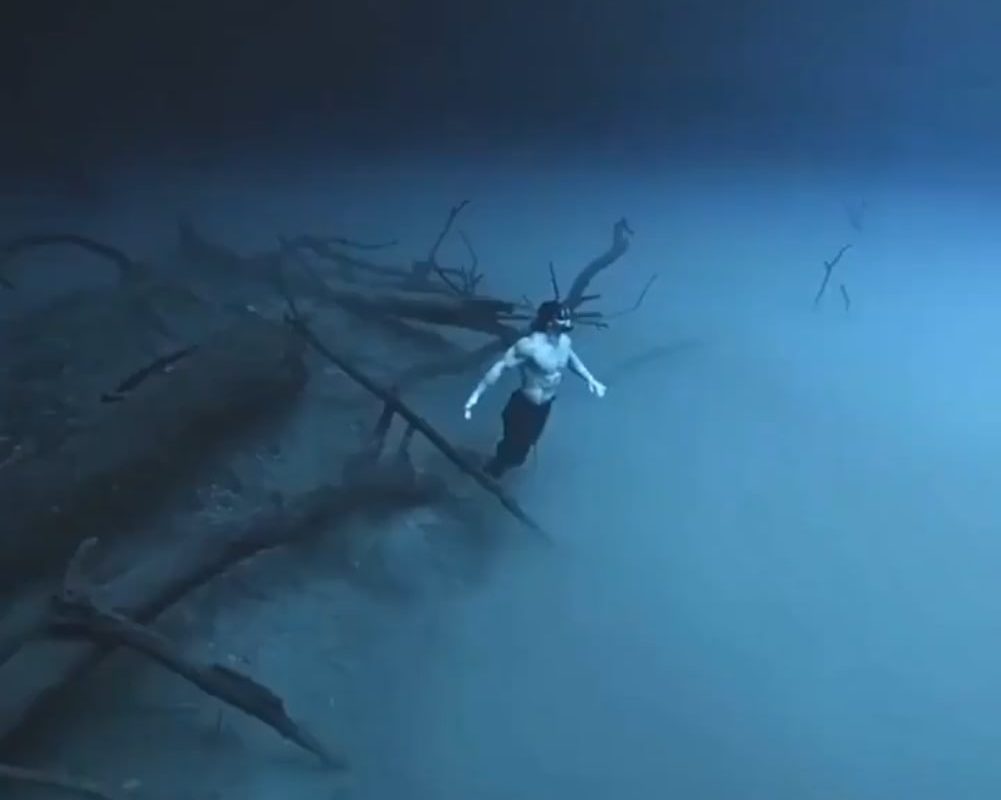
Swimming through a Halocline in the waters depths 🌊
Title: Swimming Through a Halocline: The Ocean’s Surreal Salinity Layer
Meta Description: Discover the mesmerizing phenomenon of haloclines: underwater salinity barriers that create visual distortions. Learn how they form, where to find them, and what it’s like to dive through these liquid mirages.
Introduction: The Ocean’s Hidden “Invisible Wall”
Beneath the waves, the ocean holds secrets that defy imagination—one of which is the halocline, a shimmering, dreamlike layer where saltwater and freshwater collide. Swimming through a halocline feels like gliding into a mirage: light bends, vision blurs, and the water itself seems to fracture. For divers and ocean explorers, this rare phenomenon transforms a routine plunge into an otherworldly adventure.
What is a Halocline? The Science Behind the Magic
A halocline is a sharp vertical gradient in salinity within a body of water. It occurs when layers of differing salt concentrations meet but don’t immediately mix due to density differences. Saltier water sinks below fresher water, creating a visible boundary.
Key Features:
- Visual Distortion: Light refracts differently through each layer, causing a blurred or wavy “liquid lens” effect.
- Density Barrier: The halocline acts like an underwater curtain—objects (or divers) passing through may jolt or drift unexpectedly.
- Temperature’s Role: While haloclines are salinity-driven, they often coexist with thermoclines (temperature gradients) or chemoclines (chemical variations), amplifying the sensory experience.
Where Can You Find Haloclines?
Haloclines form where fresh and saltwater sources interact. Famous locations include:
- Cenotes (Mexico): The Yucatán Peninsula’s flooded sinkholes, like Cenote Angelita, feature eerie haloclines layered above hydrogen sulfate clouds.
- Fjords & Estuaries: Regions like Norway’s fjords, where glacial meltwater meets the sea.
- Polar Oceans: Ice melt creates freshwater lenses atop saltwater in the Arctic and Antarctic.
- Caves & Aquifers: Underground lakes with hidden saltwater intrusions.
What Does Swimming Through a Halocline Feel Like?
Imagine descending into crystal-clear water, only to hit a layer that looks like liquid mercury. As you breach the halocline:
- Vision Warps: Colors fade, and sunlight fragments into prismatic streaks.
- Resistance Shifts: The denser saltwater below may cause buoyancy changes, requiring careful finning.
- Sound Muffles: The acoustic “border” can dampen or amplify noises, adding to the disorientation.
- Surreal Sensation: Divers report feeling as if they’re “floating between two worlds,” especially in cenotes where ancient tree branches pierce the halocline like ghostly fingers.
Diving Tips for Halocline Exploration
- Master Buoyancy: Use a BCD to navigate density shifts smoothly.
- Stay Calm: Avoid rapid movements—the visual disorientation can be startling.
- Bring Lights: Haloclines absorb sunlight; a dive torch reveals hidden details.
- Buddy Up: Never dive alone in unfamiliar layered waters.
Why Haloclines Matter Beyond the Wow Factor
These gradients aren’t just pretty—they play a critical role in marine ecosystems:
- Microhabitats: Unique bacteria thrive in halocline zones, forming the base of specialized food webs.
- Climate Indicators: Halocline stability helps scientists track freshwater input from melting ice.
- Ancient Clues: Fossilized haloclines in rock layers reveal past ocean salinity changes.
Conclusion: A Portal to Ocean Wonder
Swimming through a halocline is a humbling reminder that even the most familiar elements—water and salt—can conspire to create magic. Whether you’re a diver, a scientist, or an armchair ocean lover, these liquid borders prove that Earth’s depths still hold mysteries waiting to be explored.
Keywords for SEO: Halocline, salinity gradient, underwater phenomenon, diving experience, thermocline, ocean layers, cenote diving, buoyancy control, freshwater and saltwater, visual distortion in water.
Image Alt Text Suggestion: Scuba diver swimming through a shimmering halocline in a cenote, with light refracting through layered salinity.
Internal Links (if applicable):
- [How Thermoclines Affect Marine Life]
- [Top Cenotes for Underwater Exploration]
- [Buoyancy Control Tips for Divers]
Ready to dive deeper? Share your halocline stories or questions below! 🌊✨