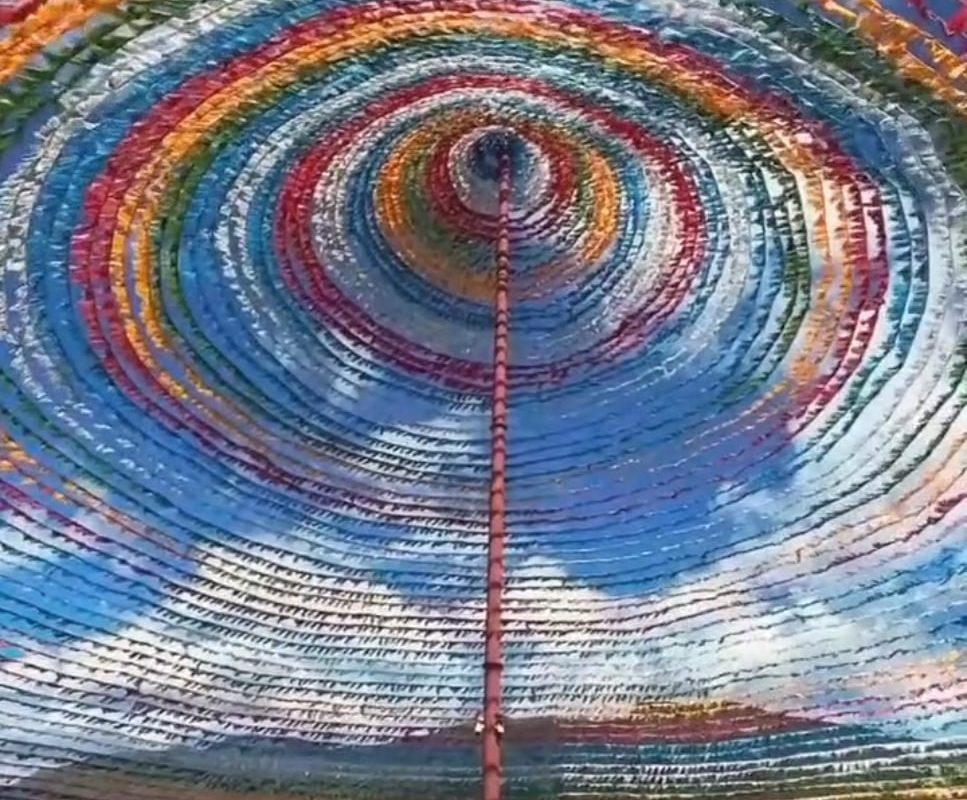
Center of a giant prayer flag wheel in Shangri-La
Meta Title: Discover the Heart of Tibetan Spirituality: The Giant Prayer Flag Wheel in Shangri-La
Meta Description: Explore Shangri-La’s iconic giant prayer flag wheel—a cultural landmark where Tibetan Buddhism comes alive. Learn its history, symbolism, and tips for visiting respectfully.
The Giant Prayer Flag Wheel of Shangri-La: Where Culture, Faith, and the Himalayas Unite
Nestled in the mist-shrouded mountains of Yunnan Province, Shangri-La (formerly Zhongdian) is a mystical land that echoes the essence of Tibetan spirituality. At its heart lies a sacred landmark: a giant prayer flag wheel, encircled by vibrant banners that dance in the Himalayan winds. More than just a photogenic site, this spiritual center embodies centuries of Tibetan Buddhist devotion, offering travelers a profound connection to the region’s soul.
What Is the Giant Prayer Flag Wheel?
Located in Shangri-La’s Dukezong Old Town (or near the Ganden Sumtseling Monastery, depending on visitor routes), the giant prayer wheel stands as one of the world’s largest manually spun prayer wheels. Towering over visitors and draped in thousands of colorful prayer flags, it serves as both a ritual focal point and a symbol of harmony. Key elements include:
- Structure: A golden cylinder engraved with sacred mantras, including the universal “Om Mani Padme Hum.”
- Prayer Flags: Red, blue, green, yellow, and white flags surrounding the wheel—each color representing natural elements (fire, sky, water, earth, air).
- Location: Often positioned at an elevated or central spot, maximizing visibility amid Shangri-La’s rugged beauty.
The Spiritual Heartbeat of Shangri-La
A Symbol of Compassion and Merit
In Tibetan Buddhism, spinning prayer wheels—whether handheld or monumental—propagates blessings. Each rotation releases the inscribed mantras into the wind, believed to purify negative karma and generate healing energy. Participating in this ritual is a shared act of devotion by pilgrims and visitors alike.
Prayer Flags: Messengers to the Divine
The flags surrounding the wheel aren’t mere decorations. Printed with mantras and symbols, they carry prayers across the landscape with every gust of wind. For Tibetans, this maintains balance between humanity and nature—a core tenet of their faith.
A Gathering Place for Pilgrims
The site buzzes during festivals like Losar (Tibetan New Year) or Saga Dawa, when locals circle the wheel, spin it clockwise, and chant. It’s a living testament to Shangri-La’s enduring cultural tapestry.
Experiencing the Prayer Flag Wheel: A Visitor’s Guide
How to Visit Respectfully
- Spin Mindfully: Always rotate the wheel clockwise (the direction of the sun’s path in Buddhist cosmology). Use your right hand or both hands gently.
- Quiet Reflection: Speak softly, avoid disruptive photos, and observe locals to mirror their reverence.
- Offerings: It’s customary to leave a small donation or symbolic item like a katag (white silk scarf).
Best Times to Visit
- Sunrise or Sunset: Golden light illuminates the prayer flags against Himalayan peaks.
- June–September: Mild weather ensures accessibility, though mornings can be chilly.
- Festival Days: Immerse yourself in ceremonies, but expect crowds.
Beyond the Wheel: Exploring Shangri-La’s Spiritual Treasures
Pair your visit with other cultural landmarks:
- Ganden Sumtseling Monastery: Yunnan’s largest Tibetan Buddhist monastery, known as “Little Potala Palace.”
- Dukezong Ancient Town: Crisscrossed with cobbled streets and traditional wooden homes.
- Napa Lake: A seasonal wetland where prayer flags flutter over mirrored waters.
Why This Site Matters
The giant prayer flag wheel isn’t just a tourist attraction—it’s a bridge between past and present. For Tibetans, it maintains spiritual continuity; for travelers, it offers insight into a compassionate worldview rooted in nature. As Shangri-La’s name suggests (inspired by James Hilton’s “heaven on Earth”), this place urges us to pause, reflect, and honor the unseen threads connecting humanity.
Plan Your Journey Today:
Shangri-La’s prayer wheel invites you to spin not just its weighty cylinder, but the wheels of your own mindfulness—carrying its blessings long after you leave the mountains.
Note: Pair imagery of the prayer wheel with landscapes of Shangri-La for social media/posts. Use keywords like “Tibetan prayer wheel Shangri-La” or “Shangri-La cultural attractions” for SEO.