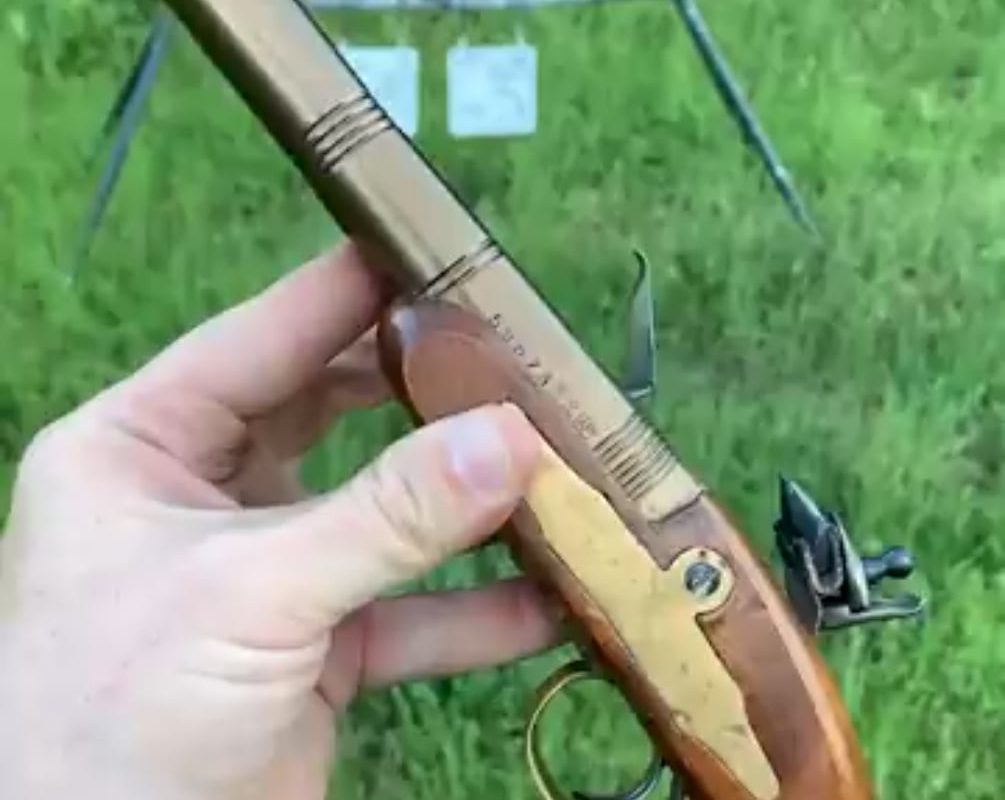
Different Pistols from the 1700s to the 1900s
Title: The Evolution of Firepower: A Journey Through Historical Pistols from the 1700s to the 1900s
Meta Description: Explore the iconic pistols that shaped warfare, self-defense, and history from the 18th to the 20th century. Discover flintlocks, revolvers, and early semi-automatics!
Introduction
From flintlock elegance to rugged revolvers and sleek semi-automatics, pistols evolved dramatically between the 1700s and 1900s. These handheld firearms weren’t just tools of war—they reflected technological leaps, cultural shifts, and even fashion. Whether you’re a history buff, firearms enthusiast, or writer seeking authenticity, this guide delves into the most influential pistols spanning three centuries.
The 1700s: Flintlock Pistols & Dueling Culture
The 18th century was dominated by flintlock pistols, characterized by their striking ignition system where flint struck steel to create sparks. These single-shot weapons were prized by officers, nobility, and duelists.
Iconic Examples:
- Queen Anne Pistol (Early 1700s)
- Named after the British monarch, these elegant pistols featured a turn-off barrel for easy loading.
- Often adorned with silver or brass inlays, symbolizing status.
- Sea Service Pistol (Late 1700s)
- Used by navies like the British Royal Navy, with waterproof pans to resist moisture at sea.
- Sturdy but heavy, weighing up to 4 pounds.
Why They Matter: Flintlocks ruled battlefields and dueling grounds until percussion caps emerged in the 1820s.
The 1800s: Revolvers, Percussion Caps & the Wild West
The 19th century saw three revolutions: percussion cap ignition, revolver mechanisms, and metallic cartridges. Pistols became deadlier, faster to reload, and more accessible.
Breakthrough Innovations:
- Colt Paterson Revolver (1836)
- Samuel Colt’s first commercial revolver, holding 5 shots.
- Popularized the “revolving cylinder” concept but initially sold poorly.
- Colt 1851 Navy Revolver
- A .36-caliber icon used in the U.S. Civil War and the American West.
- Favored by figures like Wild Bill Hickok for its balance and reliability.
- Derringer Pistol (Mid-1800s)
- A compact, hideaway gun (e.g., the Philadelphia Deringer).
- Infamously used to assassinate Abraham Lincoln in 1865.
- Smith & Wesson Model 1 (1857)
- The first successful cartridge revolver, using rimfire ammunition.
Wild West Legends: The Colt Single Action Army (“Peacemaker,” 1873) became synonymous with cowboys and lawmen, chambered in .45 Colt.
The 1900s: Semi-Automatics & World Wars
By the early 20th century, pistols shifted to semi-automatic designs, using recoil or gas to reload. Two World Wars accelerated advancements in firepower and materials.
Game-Changing Models:
- Mauser C96 “Broomhandle” (1896)
- Recognizable by its box magazine ahead of the trigger.
- Used in conflicts from the Boer War to China’s Warlord Era.
- Colt M1911 (.45 ACP)
- John Browning’s legendary design adopted by the U.S. military until 1985.
- Praised for its stopping power and reliability in trenches.
- Luger P08 (1900)
- A German icon with a toggle-lock action and 9mm Parabellum rounds.
- Carried by officers in both World Wars.
- Walther P38 (1938)
- Replaced the Luger as Germany’s standard sidearm in WWII.
- Introduced double-action safety features still used today.
Cold War Era: Post-1945, designs like the TT-33 Tokarev (USSR) and Beretta M9 emerged, prioritizing high capacity and NATO standardization.
How Pistol Design Evolved: Key Trends
- Materials: Wood and brass gave way to steel alloys and polymers.
- Ammunition: From loose powder to self-contained cartridges.
- Manufacturing: Handcrafted to assembly-line production (e.g., Colt’s factory).
FAQ: Common Questions About Historical Pistols
Q: What was the most accurate 18th-century pistol?
A: Dueling pistols like those made by Joseph Manton were finely tuned for precision.
Q: Did cowboys really use cap-and-ball revolvers?
A: Yes! Before cartridge revolvers, many relied on Colt 1860 Army models loaded with paper cartridges.
Q: Why did semi-autos replace revolvers in militaries?
A: Faster reloading, higher ammunition capacity, and reduced recoil.
Conclusion
From flintlocks wielded by powdered-wig aristocrats to the Colt 1911 carried across Normandy’s beaches, pistols mirrored humanity’s ingenuity—and conflicts. Collectors still prize these artifacts today, while modern firearms owe their DNA to these historical giants.
Explore Further: Visit museums like the NRA National Firearms Museum or read “The Handgun Story” by John Walter for deeper insights.
Optimized Keywords:
- 18th-century pistols
- 19th-century revolvers
- antique flintlock pistol
- Civil War handguns
- WW1 and WW2 pistols
- evolution of firearms
Note: Include high-quality images of each pistol type with ALT text (e.g., “Original Colt 1851 Navy Revolver”) to boost SEO.