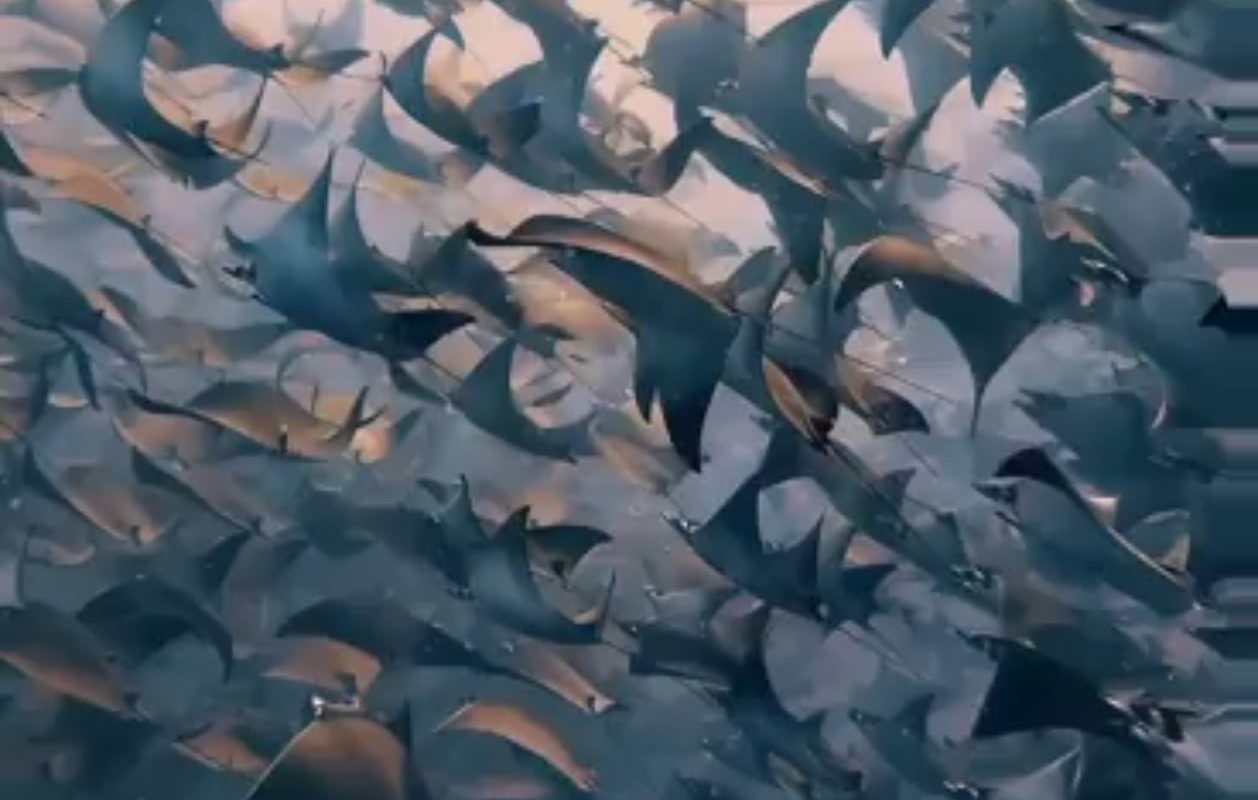
A massive fever of Mobula rays migrating off the coast of Baja California.
Title: Witness the Spectacle: The Massive Mobula Ray Migration Along Baja California’s Coast
Meta Description: Discover the awe-inspiring migration of Mobula rays off Baja California—when, where, and how to witness this natural phenomenon. Dive into the science & conservation behind the spectacle!
The Ocean’s Ballet: Baja California’s Mobula Ray Migration
Every spring and early summer, the turquoise waters off Mexico’s Baja California Peninsula transform into a stage for one of the ocean’s most mesmerizing events: the mass migration of thousands of Mobula rays. Swirling in shimmering schools that stretch for miles, these “flying rays” leap from the waves, gliding like underwater ballet dancers. For wildlife enthusiasts, divers, and photographers, this spectacle is a bucket-list experience—and a testament to the resilience of marine ecosystems.
Why Do Mobula Rays Gather in Baja California?
The warm currents of the Sea of Cortez (Gulf of California) and the Pacific coastline of Baja California Sur provide the ideal conditions for Mobula rays to feed, breed, and migrate. These cartwheeling rays—often mistaken for manta rays or devilfish—follow plankton blooms driven by seasonal upwellings. Nutrient-rich waters attract massive swarms of krill and small fish, creating a buffet for the filter-feeding Mobulas. Scientists believe their acrobatic leaps (some reaching 2 meters high!) help them communicate, shake off parasites, or even court mates.
Key Facts About Mobula Rays
- Species: Two primary species frequent Baja—Mobula munkiana (pygmy devil ray) and Mobula japanica (spinetail mobula).
- Size: Wingspans range from 3–5 feet (Mobula munkiana) to 10+ feet (larger species).
- Threats: Vulnerable to bycatch, habitat loss, and climate change. Their migration is now a focus of conservation efforts.
Where & When to See the Migration
Prime Locations:
- Cabo San Lucas & San José del Cabo: From late April to June, rays congregate near Land’s End and the Cabo Arch.
- La Paz: Mobulas pass through the Bay of La Paz in spring, often visible on snorkeling tours to Isla Espíritu Santo.
- Bahía de Loreto National Park: A UNESCO World Heritage Site teeming with rays, whales, and dolphins.
- Cabo Pulmo National Park: Home to a thriving coral reef where rays feed alongside sea lions and whale sharks.
Best Time to Visit:
- Peak Season: May–June, when schools numbering in the tens of thousands are most common.
- Daily Activity: Rays are often visible at dawn or dusk near the surface.
How to Experience the Mobula Ray Migration Responsibly
Ecotourism plays a vital role in protecting these gentle giants. Follow these guidelines to minimize your impact:
- Choose Eco-Certified Tours: Operators like [Baja Adventure Co.] (link) or [Todos Santos Eco Adventures] (link) prioritize sustainable practices.
- Keep Your Distance: Avoid touching rays or disrupting their movements. Use reef-safe sunscreen to protect water quality.
- Support Conservation: Donate to groups like Mobula Conservation or Pelagios Kakunjá, which study and protect migratory rays.
The Science Behind the Spectacle
Researchers tracking Mobula rays with satellite tags have uncovered fascinating insights:
- Migration Routes: Rays travel over 1,000 miles annually, from Baja to Central America and back.
- Social Behavior: Schools may include thousands of individuals, likely mixing males, females, and juveniles.
- Climate Impact: Warmer oceans could alter plankton cycles, threatening future migrations.
Dr. Peter Klimley of the Scripps Institution of Oceanography notes:
“The Mobula migration is a reminder of how interconnected our oceans are—and why preserving these corridors is critical.”
Photography Tips for Capturing the Magic
- Gear: Use an underwater camera or GoPro with a red filter to combat blue hues.
- Settings: High shutter speed (1/1000+) to freeze their aerial leaps.
- Angle: Shoot from below to silhouette rays against sunlit surface water.
Plan Your Trip to Baja California
Combine ray-watching with other iconic Baja experiences:
- Whale Shark Encounters (La Paz, Oct–Apr)
- Gray Whale Calving Lagoons (Magdalena Bay, Jan–Mar)
- Desert-Meets-Sea Landscapes in Todos Santos
Tip: Fly into Los Cabos International Airport (SJD) for easy access to the peninsula’s hotspots.
Conclusion: A Natural Wonder Worth Protecting
The Mobula ray migration is more than just a visual marvel—it’s a delicate ecological ballet that underscores the importance of marine conservation. By visiting responsibly and supporting local efforts, you help ensure future generations can witness this phenomenon. Plan your journey, pack your sense of wonder, and prepare to be humbled by nature’s grandeur.
CTA: Ready to dive in? Connect with Baja’s top eco-tour operators for 2024 migration tours! → [Explore Mobula Ray Expeditions] (link)
Keywords: Mobula ray migration Baja California, diving with Mobula rays, Sea of Cortez wildlife, Baja California ecotourism, when to see Mobula rays, marine migrations Mexico, sustainable tourism Baja.
![Blue M&Ms colouring can help mend spinal injuries. [More info in comments]](https://www.smartplusmedia.com/wp-content/uploads/2026/01/Blue-MampMs-colouring-can-help-mend-spinal-injuries-More-info-445x265.jpeg)