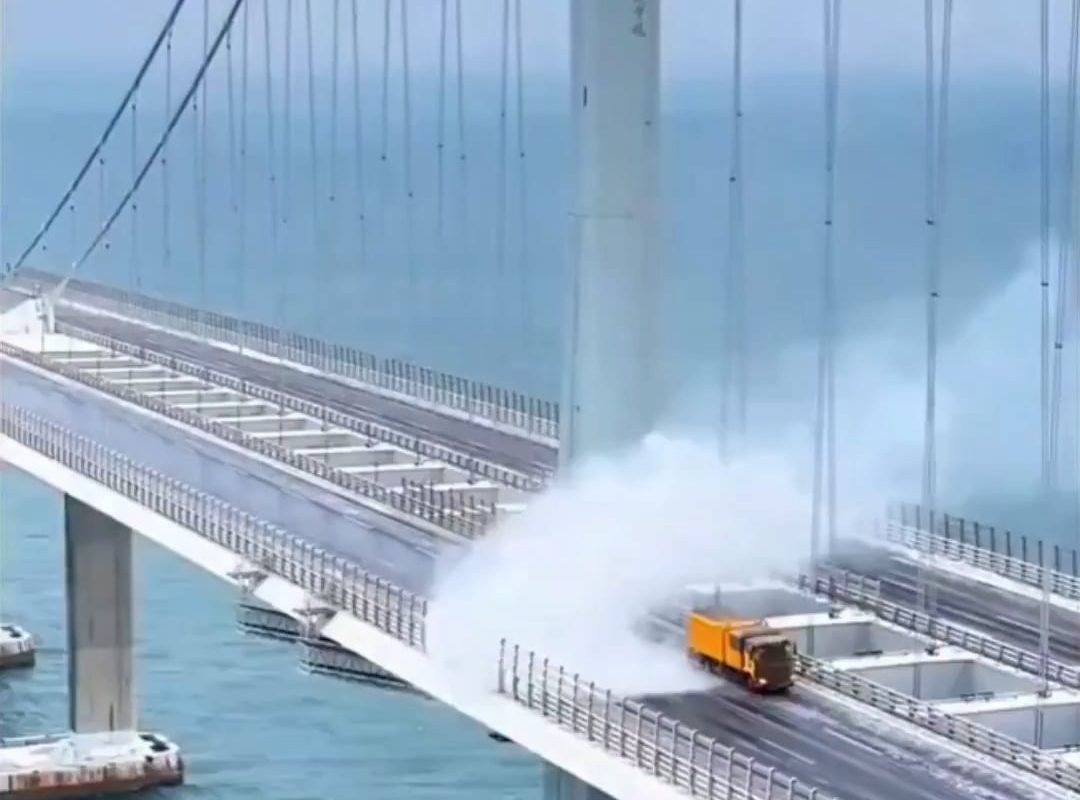
This truck was equipped with an jet turbine for clearing ice, reaching a maximum temperature of 800℃.
Jet Turbine Ice-Melting Truck: Revolutionizing Winter Road Maintenance with 800℃ Power
Winter roads plagued by ice and snow are a major safety hazard worldwide, but an extraordinary innovation is transforming the landscape of snow removal: a heavy-duty truck equipped with a jet turbine de-icing system, capable of generating temperatures up to 800℃ (1,472℉). This cutting-edge technology is redefining efficiency and speed in winter maintenance operations, offering unmatched power to melt ice and clear roads in record time. Below, we explore how this groundbreaking machine works, its applications, and why it’s poised to revolutionize cold-weather infrastructure management.
How the Jet Turbine Ice-Melting Truck Works
1. Military-Grade Power in Civilian Hands
At the heart of this truck lies a repurposed jet turbine engine, similar to those used in aircraft. Mounted on the vehicle’s chassis, the turbine draws in ambient air, superheats it to a blistering 800℃, and blasts it outward through a nozzle system. This creates a directed stream of scorching air that instantly vaporizes ice on contact, eliminating the need for traditional salt, chemicals, or slow mechanical plowing.
2. Unmatched Speed and Efficiency
- Instant Results: While conventional methods take hours to melt thick ice, this system clears layers in seconds.
- Zero Residual Waste: Unlike salt, which damages roads and ecosystems, the turbine leaves no chemical residue.
- Fuel Flexibility: Most models run on diesel or kerosene, making them adaptable to existing supply chains.
3. Precision Control for Safety
Operators can adjust the turbine’s output to suit conditions, from gentle defrosting of bridges (prone to black ice) to full-power blasts against deep snowpack. Advanced heat shielding protects the truck and surroundings from unintended damage.
Key Applications: Where Extreme Heat Meets Extreme Winter
A. Critical Infrastructure Clearing
- Airports: De-icing runways swiftly minimizes flight delays and ensures safer takeoffs/landings.
- Highways & Bridges: Rapidly clears ice from accident-prone areas like overpasses and sharp curves.
- Rail Networks: Prevents ice buildup on switches and tracks, avoiding costly service disruptions.
B. Emergency Response
In blizzards or ice storms, traditional plows may struggle to keep up. This truck’s raw power can carve paths for ambulances, fire trucks, and supply convoys when every minute counts.
C. Industrial & Commercial Use
- Shipping Ports: Keeps docks operational in freezing conditions.
- Ski Resorts: Maintains access roads and parking lots.
- Wind Farms: Prevents turbine icing, which can halt energy production.
Advantages Over Traditional Ice Removal Methods
| Feature | Turbine Ice-Melting Truck | Salt/Plow Systems |
|---|---|---|
| Speed | Seconds to melt thick ice | Hours of repetitive plowing |
| Environmental Impact | No chemical runoff | Soil/water contamination |
| Long-Term Infrastructure Cost | No corrosion damage from salt | Accelerated bridge/road decay |
| Adaptability | Works on any surface (concrete, asphalt, etc.) | Limited by surface type |
| Precision | Targets specific areas without spreading | Broad, imprecise application |
Challenges and Limitations
While revolutionary, this technology isn’t without drawbacks:
- Fuel Consumption: Jet turbines burn fuel rapidly, raising operational costs.
- Noise Pollution: The engine’s roar requires hearing protection for operators and limits use in residential zones at night.
- Initial Investment: These trucks are significantly pricier than traditional plows, though ROI is achieved through labor/time savings.
The Future of Thermal Ice Removal
As climate change fuels more extreme winters, demand for rapid de-icing solutions will rise. Innovations already in development include:
- Hybrid-Electric Turbines: Reducing fuel use and emissions while maintaining power.
- AI Targeting Systems: Using cameras and sensors to automate heat distribution.
- Smaller, Modular Units: Attachable turbines for standard trucks or rail vehicles.
FAQ: Jet Turbine De-Icing Trucks Demystified
Q: How hot is 800℃ compared to other heat sources?
A: It’s 3x hotter than a commercial pizza oven (260–315℃) and nearly as hot as volcanic lava (700–1,200℃).
Q: Can the heat damage roads?
A: Modern asphalt withstands ~180℃. The blast is brief and directional, preventing surface damage when properly calibrated.
Q: Are these trucks widely available?
A: Currently used in niche sectors (e.g., Russian airports, Nordic highway agencies), but adoption is growing in Canada and the U.S.
Conclusion: Redefining Winter Reliability
The jet turbine ice-melting truck represents a paradigm shift in winter road maintenance. By harnessing extreme heat—up to 800℃—it eradicates ice faster and cleaner than any conventional method. While challenges like cost and noise remain, its potential to save lives, protect infrastructure, and slash operational downtime makes it a game-changer for cities, airports, and industries battling the cold. As this technology evolves, it could render slow, ecologically damaging de-icing practices obsolete, paving the way for safer, more sustainable winters worldwide.
Ready to Stay Ahead of the Ice Age? Follow us for more updates on breakthrough technologies redefining winter safety and infrastructure!