Backdraft
Unmasking the Dual Meaning of Backdraft: Fire Phenomenon vs. Cinematic Masterpiece
When people hear “Backdraft,” two distinct concepts may come to mind: a deadly firefighting hazard or a cult-classic Hollywood film. Whether you’re a firefighter, a movie buff, or simply curious, this deep dive into Backdraft reveals its real-world science, cinematic legacy, and lasting impact.
What is a Backdraft? The Firefighter’s Nightmare
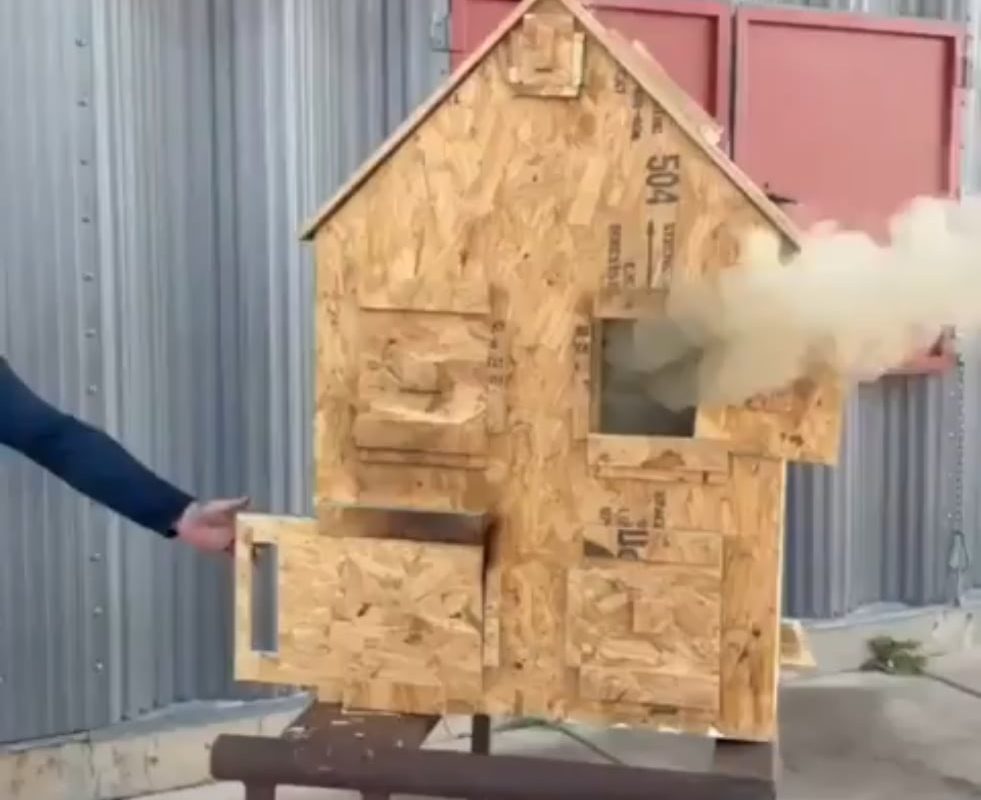
A backdraft is a catastrophic fire event that occurs when oxygen-starved flames suddenly explode due to the reintroduction of air. Unlike flashovers (which involve rapid ignition of gases), a backdraft happens when an enclosed fire has consumed most available oxygen—leaving unburned fuel and superheated gases. When fresh oxygen rushes in (e.g., through an opened door or broken window), the mixture ignites violently, creating a fireball or explosive force.
Key Causes & Warning Signs
- Oxygen Deprivation: Fires in sealed spaces (like sealed rooms or attic spaces) consume oxygen, leaving fuel-rich smoke.
- Neutral Plane: Smoke appears thick, pressurized, and “pulsing” under doors/windows.
- Visual Cues: Yellow-gray smoke, whistling sounds from airflow, and blackened windows indicate high risk.
How Firefighters Prevent Backdrafts
- Vertical Ventilation: Cutting holes in roofs to release heat/smoke upward.
- Controlled Entry: Carefully opening doors to allow gradual airflow.
- Thermal Imaging: Using cameras to identify hotspots and gas buildup.
Backdraft (1991): The Movie That Ignited Pop Culture
Directed by Ron Howard and starring Kurt Russell, William Baldwin, Robert De Niro, and Donald Sutherland, Backdraft is a thrilling drama that blends explosive action with the gritty realities of firefighting.
Plot & Themes
The film follows brothers Stephen (Russell) and Brian McCaffrey (Baldwin), Chicago firefighters haunted by their father’s death in a blaze. As they investigate a wave of suspicious fires, they uncover arson, political corruption, and the lethal science of backdrafts. Themes of brotherhood, sacrifice, and the psychology of firefighting anchor the story.
Cultural Impact
- Firefighting Realism: The film’s practical effects and fire stunts (using real flames) set a new standard for disaster movies.
- Awareness Boost: Backdraft educated audiences about firefighter risks, including backdrafts, flashovers, and smoke inhalation.
- Legacy: Its iconic score, quotable lines (“The world’s perfect engine”), and firehouse camaraderie influenced shows like Chicago Fire.
Did You Know?
- Fire experts trained the cast at Chicago’s actual fire academy.
- Kurt Russell performed many stunts himself, earning respect from real firefighters.
- The movie still screens at firefighter training seminars for its dramatized safety lessons.
Connecting Reality & Reel: Why Backdraft Matters
While Backdraft took creative liberties (e.g., exaggerated explosions), it spotlighted fire science terms once known only to professionals. Today, the term “backdraft” is widely recognized, thanks partly to the film. Meanwhile, firefighters worldwide use its gripping visuals to train rookies about compartment fire behavior.
FAQ: Backdraft Demystified
Q: Can a backdraft occur outdoors?
A: Rarely. Backdrafts require confined spaces where oxygen depletion and fuel buildup happen.
Q: Is the movie Backdraft based on a true story?
A: No, but screenwriter Gregory Widen interviewed firefighters to ensure authenticity.
Q: How fatal are real backdrafts?
A: Extremely. They cause rapid structural collapse and account for numerous firefighter deaths annually.
Final Spark: Safety Lessons from Backdraft
Whether you’re studying fire science or rewatching the ’90s blockbuster, “Backdraft” underscores a universal truth: fire is unpredictable. For firefighters, vigilance and training save lives. For audiences, the film immortalizes their bravery—and reminds us why fire deserves respect, not romance.