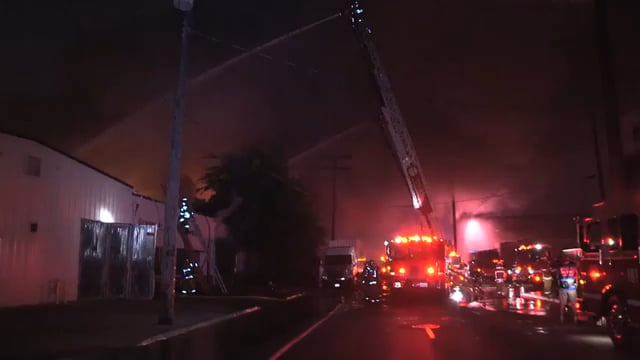
Firefighters trying to extinguish a magnesium fire with water. Magnesium burns at extremely high temperatures and splits water into hydrogen and oxygen. The hydrogen ignites, causing the fire to burn hotter and more violently. Instead, Class D fire extinguishers are used.
Title: Why Water Makes Magnesium Fires Worse & How Class D Extinguishers Save the Day
Meta Description: Discover why using water on magnesium fires backfires dangerously, causing explosions, and learn how firefighters safely extinguish these extreme blazes with Class D fire extinguishers.
The Deadly Mistake: Water on a Magnesium Fire
Picture this: Firefighters arrive at a blazing scene, only to discover flames fueled by magnesium—a metal that burns hotter than 3,100°F (1,700°C). In a rush to contain the fire, a rookie sprays water on the inferno. Instead of calming the flames, the fire explodes violently, spraying molten metal and igniting nearby objects. What went wrong?
This nightmare scenario highlights a critical error: water doesn’t extinguish magnesium fires—it supercharges them. Here’s why—and how firefighters combat these deadly blazes the right way.
The Science: Why Water Turns a Bad Fire Into a Disaster
Magnesium fires are uniquely dangerous due to chemistry and extreme heat:
-
Burns Hotter Than Most Metals:
Magnesium burns at temperatures exceeding 3,100°F (1,700°C), far surpassing wood, gasoline, or even other metals like aluminum. At these temperatures, metals can melt or vaporize, spreading the fire rapidly. -
Water Splits Into Explosive Hydrogen Gas:
When water (H₂O) contacts burning magnesium, the extreme heat triggers a violent chemical reaction:Mg + 2H₂O → Mg(OH)₂ + H₂ + Heat
Magnesium splits water into hydrogen gas (H₂) and oxygen (O₂)—two components of a highly explosive mix. The hydrogen ignites immediately, fueling a hotter, larger fire.
-
Molten Metal Spatter:
Water can also cause molten magnesium to splatter like tiny napalm droplets, spreading the fire to nearby equipment or structures.
The Right Tool: Class D Fire Extinguishers Explained
To safely smother magnesium fires, firefighters rely on Class D fire extinguishers, specifically designed for combustible metals like:
- Magnesium
- Titanium
- Sodium
- Potassium
How Class D Extinguishers Work:
- Dry Powder Agents: Contain sodium chloride, graphite, or copper powder. These non-reactive agents smother flames by coating the metal, cutting off oxygen, and absorbing heat.
- No Chemical Reactions: Unlike water, these powders don’t react with burning metal, preventing explosions.
- Cooling Effect: Some agents melt at high temperatures, forming a crust that insulates the fuel from heat and oxygen.
Critical Tip: NEVER use water, foam, CO₂, or standard ABC extinguishers on metal fires—they can escalate the danger.
Firefighter Protocol: Tackling Magnesium Fires Safely
When responding to a magnesium fire, trained professionals follow strict protocols:
- Identify the Fuel: Confirm the presence of combustible metals (common in aerospace, automotive racing, or metal workshops).
- Evacuate and Isolate: Clear the area and remove flammable materials nearby.
- Deploy Class D Extinguishers: Apply powder in slow, sweeping motions to blanket the metal entirely.
- Let It Cool: Even after flames die, hot metal can reignite if exposed to air. Monitor until fully cooled.
Real-World Examples & Prevention Tips
Where Magnesium Fires Happen:
- Auto Racing: Magnesium alloy wheels or engine parts.
- Metal Workshops: Grinding or cutting magnesium alloys.
- Waste Facilities: Scrap metal fires.
Prevention Strategies:
- Store magnesium away from water, acids, or oxidizers.
- Use non-sparking tools near magnesium.
- Train workers to recognize metal fire risks.
Conclusion: Knowledge Saves Lives
Magnesium fires are rare but catastrophic when mishandled. Understanding why water fails—and how Class D extinguishers work—can mean the difference between containment and catastrophe. For firefighters, industrial workers, and safety managers, this knowledge isn’t just technical—it’s lifesaving.
Key Takeaway: Water feeds a magnesium fire; Class D extinguishers starve it. Always match your fire response to the fuel.
Ranking Keywords:
- “magnesium fire water explosion”
- “Class D fire extinguisher for metal fires”
- “why water makes magnesium fires worse”
- “how to extinguish magnesium fire”
- “combustible metal fire safety”
Optimize your workplace or community safety today—share this guide to prevent deadly mistakes! 🔥🚒