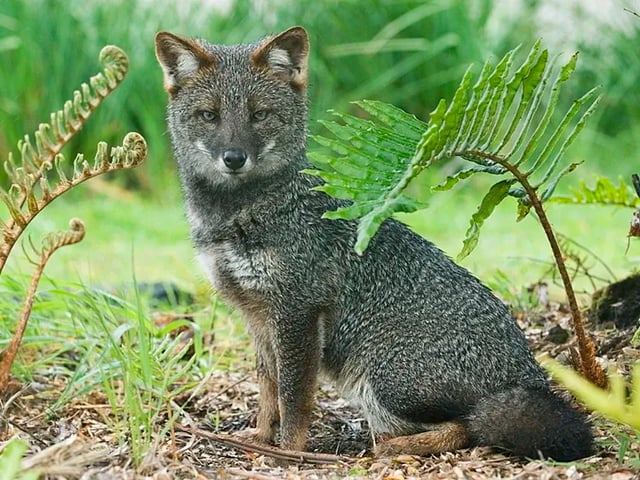
Darwin’s Fox is one of the rarest foxes on Earth only about 600-900 remain in two small forest regions of Chile. About the size of a house cat, it depends on dense old-growth forest and is disappearing largely due to disease and attacks from domestic dogs. A tiny predator vanishing fast.
Title: Darwin’s Fox: Chile’s Tiny, Vanishing Predator on the Brink of Extinction
Meta Description: Discover Darwin’s Fox, one of Earth’s rarest canids. With just 600-900 left in Chile’s fragmented forests, this cat-sized fox faces extinction from habitat loss, disease, and domestic dogs.
Introduction: The World’s Rarest Fox
Darwin’s Fox (Lycalopex fulvipes) is a critically endangered species teetering on the edge of extinction. Weighing just 4–6 pounds—about the size of a house cat—this elusive creature is found only in two tiny pockets of Chile’s old-growth forests. Named after Charles Darwin, who documented the fox during his 1834 voyage to South America, fewer than 900 individuals remain today. In this article, we explore why this species is vanishing and what’s being done to save it.
What is Darwin’s Fox?
Darwin’s Fox is a petite, dusky-gray canid with short legs, a bushy tail, and expressive ears. Unlike most fox species, it thrives exclusively in dense, humid forests—a habitat that’s rapidly shrinking.
Key Traits
- Size: Comparable to a domestic cat (2.5–4 kg).
- Diet: Omnivorous, eating insects, small mammals, fruits, and birds.
- Behavior: Nocturnal and solitary, relying on thick vegetation for cover.
Habitat & Range: A Species Trapped in Fragmented Forests
This fox survives only in two isolated regions of Chile:
- Chiloé Island: A rainforest stronghold home to ~500 individuals.
- Nahuelbuta National Park: A mainland mountain forest with 50–70 foxes.
These areas provide the dense understory and old-growth trees critical for the fox’s survival, offering shelter and hunting grounds. However, logging, agriculture, and wildfires are decimating these forests, leaving populations fragmented.
Why is Darwin’s Fox Disappearing?
With a wild population smaller than the human population of a single village, Darwin’s Fox faces catastrophic threats:
-
Habitat Loss:
Chile’s native forests have been reduced by 70% since the 1970s. Developers clear land for timber and agriculture, shrinking the fox’s territory. -
Domestic Dog Attacks:
Free-roaming dogs—common in rural Chile—spread disease (like canine distemper) and kill foxes. Dogs also compete for food, further stressing populations. -
Disease Transmission:
Canine diseases spill over from unvaccinated dogs, causing deadly outbreaks in fox dens. -
Climate Change:
Increased droughts and fires threaten its already-limited habitat.
Conservation Efforts: A Race Against Time
Scientists estimate Darwin’s Fox could go extinct within 50 years if threats persist. Conservationists are fighting back with:
- Protected Areas: Expanding Nahuelbuta National Park and Chiloé’s reserves.
- Community Programs: Vaccinating dogs, educating locals, and promoting coexistence.
- Captive Breeding: Zoos like Buin Zoo in Chile are establishing breeding programs to bolster genetic diversity.
- Research: GPS tracking foxes to study movement and habitat needs.
Organizations like Re:wild and IUCN list Darwin’s Fox as Critically Endangered, prioritizing it for global conservation funding.
How You Can Help
- Support: Donate to groups like the Darwin’s Fox Conservation Team.
- Spread Awareness: Share this article or follow #SaveDarwinsFox on social media.
- Travel Responsibly: Visit Chile’s parks ethically—stick to trails and avoid disturbing wildlife.
Conclusion: A Silent Cry from Chile’s Forests
Darwin’s Fox is a living relic of Chile’s wild heritage. Its survival hinges on protecting ancient forests, curbing disease, and fostering human-wildlife harmony. By acting now, we can ensure this enigmatic fox doesn’t vanish forever—joining the grim list of species lost to human activity.
Sources:
- IUCN Red List: Lycalopex fulvipes
- Journal of Mammalogy: Habitat Fragmentation and Darwin’s Fox
- Global Wildlife Conservation: Chile’s Endangered Canids
Keywords: Darwin’s Fox, endangered foxes, Chile wildlife, rarest fox species, conservation, Nahuelbuta National Park, Chiloé Island, Lycalopex fulvipes, canine distemper, old-growth forest