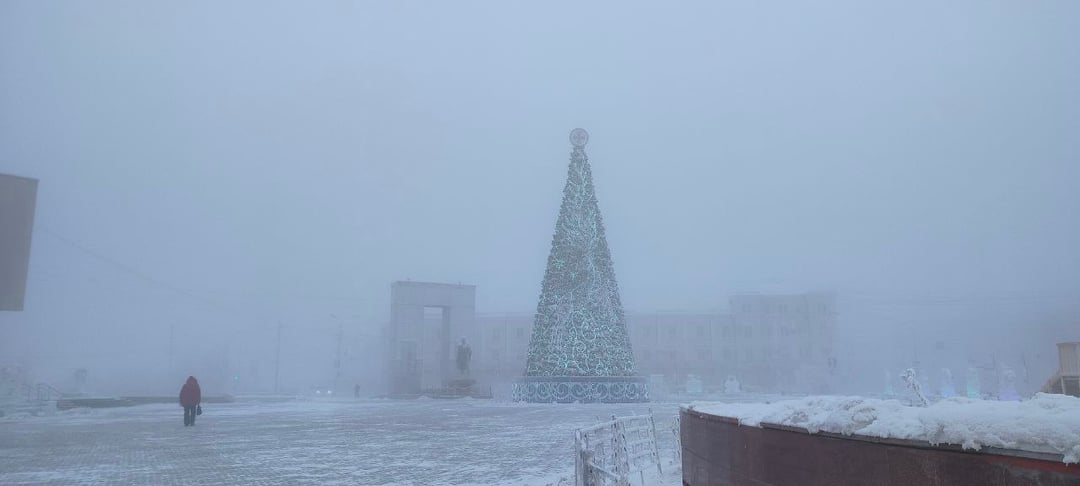
I live in Yakutsk
Title: Living in Yakutsk: Surviving and Thriving in the Coldest City on Earth
Meta Description: Discover what life is really like in Yakutsk, Russia—the coldest inhabited city on Earth. Learn about its climate, culture, survival tips, and unique beauty.
URL Slug: living-in-yakutsk-coldest-city
Introduction: Welcome to the “City of Extreme Cold”
Yakutsk, the capital of Russia’s Sakha Republic (Yakutia), is famously known as the coldest city on Earth. With winter temperatures regularly plunging below -40°C (-40°F) and record lows nearing -64°C (-83°F), living here is not for the faint of heart. Yet, this remote Siberian city—home to over 300,000 resilient residents—boasts a vibrant culture, stunning natural landscapes, and a community hardened by frost but warmed by tradition. In this article, we’ll dive into the realities of daily life, survival strategies, and the hidden wonders of Yakutsk.
1. The Climate: A Test of Endurance
Winter: Eternal Frost and Survival Tactics
Yakutsk’s winters last from October to April, with January being the coldest month. The extreme cold dictates every aspect of life:
- Layered Clothing: Locals swear by the “onion principle”—multiple layers of wool, fur, and thermal fabrics. Reindeer fur boots (“untaiki”) and fox-fur hats are essentials.
- Frozen Infrastructure: Cars are kept running 24/7 to prevent engines from freezing, while homes are built on stilts to avoid sinking into thawing permafrost.
- “Frost Smoke”: The surreal sight of steam rising from the Lena River creates an eerie fog as water freezes instantly in the air.
Summer: A Brief but Vibrant Reprieve
From June to August, temperatures soar to +30°C (86°F), transforming Yakutsk into a land of midnight sun and green landscapes. Locals flock to outdoor festivals, fish on the Lena River, and forage for wild berries.
2. Daily Life in the Cold Capital
Navigating the Urban Tundra
Yakutsk blends Soviet-era architecture with modern amenities. Key aspects of daily life include:
- Permafrost Museums: Learn about the frozen ground that underpins the city at the Permafrost Kingdom or the Mammoth Museum, home to Ice Age relics.
- Winter-Proof Transportation: Roads are treated with gravel instead of salt (which doesn’t work below -20°C), while public buses run heated routes.
- Indoor Sanctuaries: Cafés, theaters, and the Sakha State Opera and Ballet Theatre offer warm escapes.
Food: Fueling the Frozen Body
Traditional Yakut cuisine is hearty and protein-rich:
- Stroganina: Thinly sliced frozen raw fish (like nelma or muksun), dipped in salt—a local delicacy.
- Koumiss (Mare’s Milk): Fermented for a tangy, nutritious drink.
- Reindeer Meat & Horse Meat: Staples for surviving the cold, often served in soups or stews.
3. Culture & Community: The Warmth Within the Cold
Despite the harsh climate, Yakutsk thrives culturally:
- Yakutian Folklore: The indigenous Sakha people preserve shamanistic traditions, epic poetry (Olonkho), and throat singing.
- Ysyakh Festival: A June celebration of summer with horse racing, traditional dancing, and rituals honoring nature.
- Art in Isolation: Local artists draw inspiration from the Arctic wilderness, showcased at the National Arts Museum.
4. Challenges & Solutions
Living in Yakutsk comes with unique hurdles:
- Health Risks: Frostbite and seasonal depression are combated with community support, saunas (banyas), and vitamin-rich diets.
- Supply Chains: Fresh produce is expensive, leading many to grow vegetables in summer greenhouses or rely on preserved foods.
- Climate Change: Thawing permafrost threatens infrastructure, pushing engineers to innovate construction techniques.
5. Natural Wonders: The Jewel of Siberia
Yakutsk is a gateway to Siberia’s wild beauty:
- Lena Pillars: A UNESCO World Heritage site of jagged limestone cliffs along the Lena River.
- Diamonds and Gold: The Sakha Republic produces 20% of the world’s diamonds—visit the Mir Mine or the Gorny Institute.
- Wildlife Encounters: Spot reindeer, Arctic foxes, and migratory birds in the taiga (boreal forest).
Tips for Visitors
If you’re brave enough to visit Yakutsk:
- Timing Is Everything: Visit in March for the Cold Pole Festival or June for milder weather.
- Dress Smarter: Invest in thermal gear—locals say “There’s no bad weather, only bad clothing.”
- Respect Nature: The Arctic wilderness is beautiful but unforgiving; never venture out without a guide.
Conclusion: Resilience in the Extreme
Yakutsk redefines the meaning of toughness. Its residents don’t just survive—they thrive, turning adversity into art, tradition, and innovation. As climate change reshapes our planet, this icy outpost offers lessons in adaptability and the enduring power of community. Whether you’re drawn by curiosity or adventure, Yakutsk reminds us that even in the coldest corners of Earth, life burns brightly.
Call to Action:
Inspired to experience Siberia’s frozen frontier? Share your thoughts or questions about Yakutsk below—we’d love to hear from you!
Keywords for SEO:
Coldest city, Yakutsk life, Siberia travel, Permafrost, Sakha Republic, Lena Pillars, Yakut culture, Extreme cold survival, Winter in Russia.
Image Alt Tags Suggestions:
- “Yakutsk cityscape in winter with frozen river”
- “Traditional Sakha clothing and fur boots”
- “Lena Pillars UNESCO site in summer”
- “Stroganina frozen fish delicacy served on ice”
By blending practical insights with cultural depth, this article targets readers fascinated by extreme destinations, adventure travel, and unique cultures—boosting SEO through high-value keywords and shareable content.