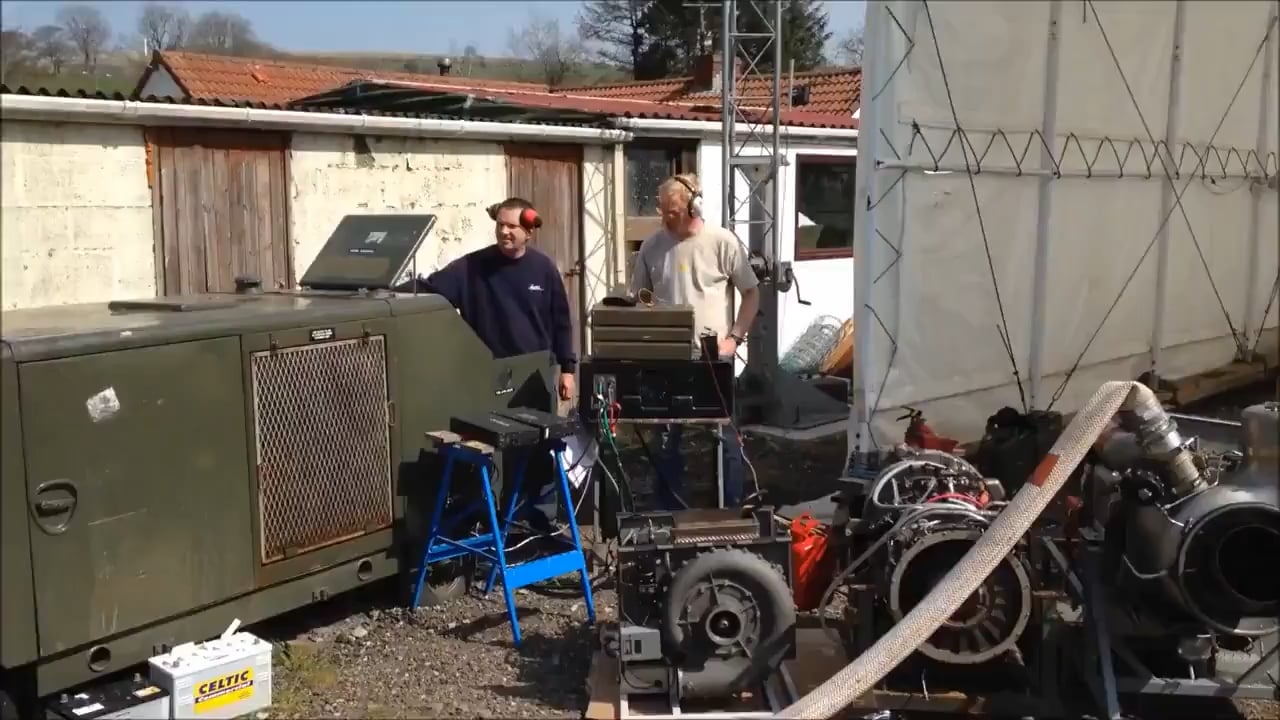
When you need an engine to start your engine…
When You Need an Engine to Start Your Engine: A Guide to Jump-Starting Your Car
We’ve all been there: You turn the key in the ignition (or press the start button), only to hear a dreaded click-click-click—or worse, silence. Your car’s engine won’t start, but hope isn’t lost! Sometimes, all you need is a helping hand—or rather, another engine—to bring yours back to life. In this guide, we’ll walk through everything you need to know about jump-starting a dead battery safely and effectively, and explore modern alternatives like portable jump starters.
Why Do Engines Struggle to Start?
Most no-start scenarios boil down to the battery. Car batteries supply the electrical surge needed to crank the engine and power essential systems like fuel injection. Over time, batteries degrade due to age, extreme temperatures, or even parasitic drain (e.g., leaving headlights on). When their charge dips too low, your engine simply won’t turn over.
Common signs of a dead or dying battery:
- Dimming interior lights or dashboard indicators
- A sluggish cranking sound
- Complete electrical failure
- Corrosion around battery terminals
Solution 1: The Classic “Engine-to-Engine” Jump-Start
The traditional way to revive a dead battery involves using jumper cables and a second vehicle with a working engine. Here’s how it works:
What You’ll Need:
- Jumper cables (thick gauge, 10–16 feet long)
- A donor vehicle (running)
- Safety gloves and glasses (optional but recommended)
Step-by-Step Process:
- Position the Vehicles: Park the donor car close to yours (but not touching). Ensure both engines are off.
- Identify Terminals: Locate the batteries and their positive (+) and negative (–) terminals. Pro tip: Remove corrosion with a wire brush if needed.
- Connect the Jumper Cables in Order:
- Red clamp → Dead battery’s positive (+) terminal.
- Other red clamp → Donor battery’s positive (+) terminal.
- Black clamp → Donor battery’s negative (–) terminal.
- Final black clamp → Unpainted metal surface on your car’s engine block (NOT the dead battery’s negative terminal).
- Start the Donor Vehicle: Let it idle for 3–5 minutes to transfer charge.
- Start Your Engine: Turn the key—if it cranks, success!
- Disconnect in Reverse Order: Remove black clamps first, then red.
- Drive Your Car: Keep it running for 20+ minutes to recharge the battery.
Safety First!
- Never touch metal clamps together.
- Avoid sparks near the battery (hydrogen gas can explode).
- If your battery is frozen, swollen, or leaking, do NOT jump-start—replace it.
Solution 2: Portable Jump Starters—No Second Engine Needed!
Don’t have a friendly neighbor nearby? Enter the portable jump starter: a compact, lithium-ion-powered device that eliminates the need for a donor car. These pocket-sized powerhouses are a must-have for emergencies.
Why Choose a Portable Jump Starter?
- Convenience: Fits in your glovebox, trunk, or under a seat.
- Versatility: Many double as phone chargers or emergency lights.
- Safety: Reduced risk of incorrect connections vs. jumper cables.
How to Use One:
- Turn off your car and plug in the jump starter.
- Connect its red clamp to your battery’s positive terminal.
- Attach the black clamp to an unpainted metal surface.
- Power on the jump starter and wait for its “ready” signal.
- Start your engine, then disconnect the device.
When Jump-Starting Doesn’t Work: What’s Next?
If your engine still refuses to start after a jump, other issues could be at play:
- Faulty Alternator: If the battery drains again quickly post-jump, your alternator might not be recharging it.
- Starter Motor Failure: A faulty starter won’t engage, even with a charged battery.
- Bad Battery: Batteries last 3–5 years. If yours is older, replace it!
Pro Tips to Avoid Future “No-Start” Emergencies
- Test Your Battery Annually: Most auto shops do this for free.
- Invest in a Maintenance Charger: Keeps your battery topped up during long idle periods.
- Turn Off Accessories: Unplug chargers, lights, and gadgets when the engine’s off.
- Upgrade to an AGM Battery: Ideal for modern vehicles with high electrical demands.
Final Thoughts
A dead battery doesn’t have to leave you stranded. Whether you rely on a good Samaritan’s engine or a trusty portable jump starter, knowing how to safely jump-start your car is an essential skill for every driver. Keep jumper cables or a portable device in your trunk, and you’ll never fear the click again!
Key Takeaways:
✅ Always carry jumper cables or a portable jump starter.
✅ Follow safety protocols to avoid sparks or shocks.
✅ Replace batteries every 3–5 years, or at the first sign of weakness.
✅ When in doubt, call roadside assistance—no need to risk injury or damage!
(Word Count: 700+ | Keyword Focus: jump-start car, dead battery, portable jump starter, jumper cables, car battery replacement)
Have a car question? Drop it in the comments—we’ve got your back! 🔧🚗