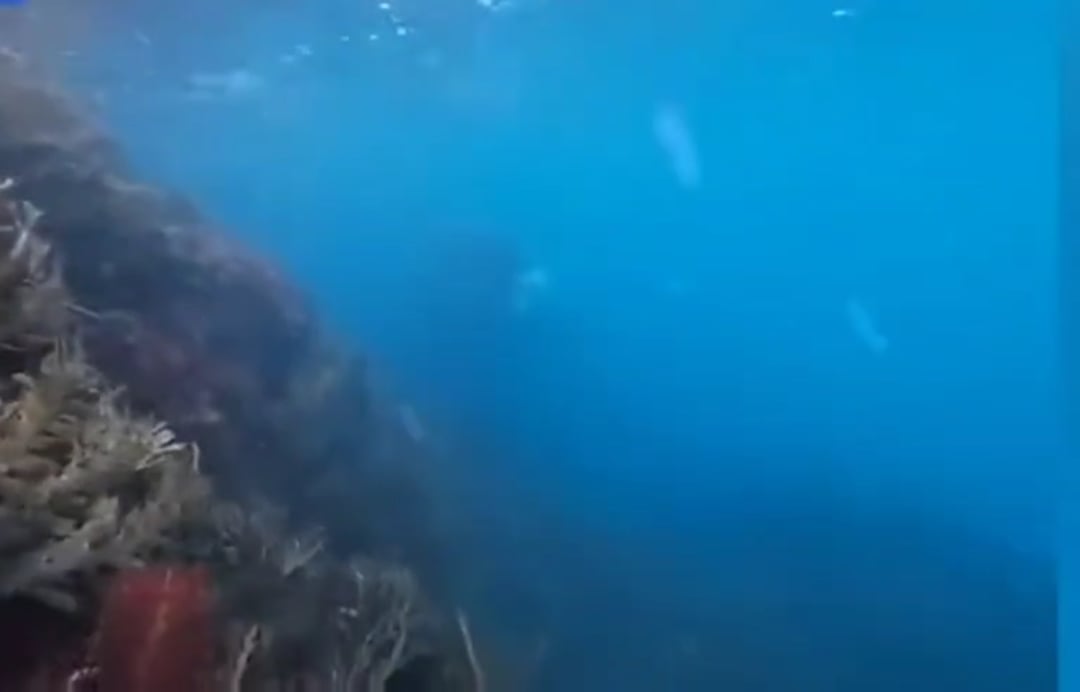
Killer whales checking out a human
Title: When Intelligence Meets Curiosity: Killer Whales “Checking Out” Humans
Meta Description: Discover why killer whales (orcas) interact with humans in the wild. Explore their intelligence, curiosity, and what these encounters reveal about orca behavior.
Introduction: The Enigmatic Encounter
Imagine paddling in a kayak or diving in icy waters when suddenly a pod of killer whales (orcas) approaches—not to hunt, but seemingly to observe. Across the globe, reports of orcas “checking out” humans—circling boats, making eye contact, or even gently nudging objects—challenge our understanding of these apex predators. Why would wild orcas show interest in us? This article explores the science and stories behind these rare, fascinating encounters.
Understanding Killer Whales: More Than Predators
Killer whales (Orcinus orca) are highly intelligent, social mammals with complex communication, problem-solving skills, and cultural behaviors passed through generations. Key facts:
- Brains Built for Curiosity: Orcas have large, developed brains—second only to sperm whales in size—with regions linked to empathy, communication, and memory.
- Cultural Learners: Pods have unique hunting techniques, dialects, and traditions (e.g., some surf waves, while others beach themselves to hunt seals).
- No Natural Predators: As ocean apex predators, orcas can afford curiosity. Humans aren’t seen as prey, allowing non-aggressive interactions.
Orcas “Checking Out” Humans: Real-Life Encounters
Case 1: The Kayakers of Norway
In Norway’s fjords, orcas often approach kayakers, sometimes nudging their boats or surfacing inches away. Researchers suggest juvenile orcas may be “playing” or investigating unfamiliar objects in their environment.
Case 2: Diving with Orcas in Antarctica
Divers report curious orcas circling them, making eye contact, and even mimicking their movements—a sign of observational learning. Scientists note these interactions are more common in regions where orcas rarely encounter humans.
Case 3: The Gentle Nudgers of Patagonia
Off Argentina, orcas famously approach boats and “spyhop” (raise their heads vertically) to observe people. Locals believe these orcas recognize individual boats and return yearly to interact.
Why Do Orcas Show Interest in Humans? Theories Explained
While no single answer fits all encounters, experts propose these explanations:
- Playfulness: Young orcas engage in exploratory behavior, much like human children. Boats or humans may simply be novel stimuli.
- Social Curiosity: Orcas are highly social. Unusual objects (like kayaks) could spark group investigation or communication.
- Tactile Sensation: Orcas use echolocation to “see” objects. They might gently touch humans or gear to gather sensory data.
- Mirroring Intelligence: Some researchers argue orcas recognize humans as sentient beings, sparking mutual curiosity.
Important Note: Wild orcas do not view humans as food. There are zero documented cases of orcas killing humans in the wild.
Safety and Ethics: Observing Orcas Responsibly
While thrilling, human-orca encounters require caution:
- Keep Your Distance: Laws in many regions (e.g., US, Canada) prohibit approaching orcas within 200–400 yards.
- Avoid Feeding/Touching: Altering natural behavior harms orcas and risks human safety.
- Choose Ethical Tours: Support operators following marine wildlife guidelines, like Whale Sense-certified charters.
The Bigger Picture: Conservation and Coexistence
Killer whales face threats like pollution, overfishing (prey depletion), and captivity. Respecting their curiosity in the wild underscores why we must protect them:
- Critical Habitat: Support marine sanctuaries (e.g., Norway’s Lofoten Islands, Canada’s Johnstone Strait).
- Research Matters: Citizen science (e.g., reporting sightings) aids conservation.
Conclusion: A Glimpse Into a Complex Mind
Orcas checking out humans offer a rare window into the minds of one of nature’s most intelligent species. These encounters remind us that curiosity isn’t uniquely human—it’s a bridge between species, urging us to protect the oceans we share.
Call to Action:
Have you witnessed orcas in the wild? Share your story below and join the conversation on ethical wildlife tourism!
FAQ Section
Q1: Has a wild orca ever attacked a human?
A1: No confirmed fatal attacks exist in the wild. Captive orcas have harmed humans, likely due to stress.
Q2: Do orcas recognize individual humans?
A2: While unproven, their memory and social intelligence suggest they could distinguish individuals over time.
Q3: What should I do if an orca approaches my boat?
A3: Stay calm, cut the engine, and let them control the interaction. Never chase or corner them.
Optimized Keywords: killer whale curiosity, orca-human interaction, orcas checking humans, wild orca encounters, killer whale intelligence, orca behavior
By blending scientific insight with real-life stories, this article aims to rank for orca-related search queries while engaging readers with the wonder of these ocean giants.