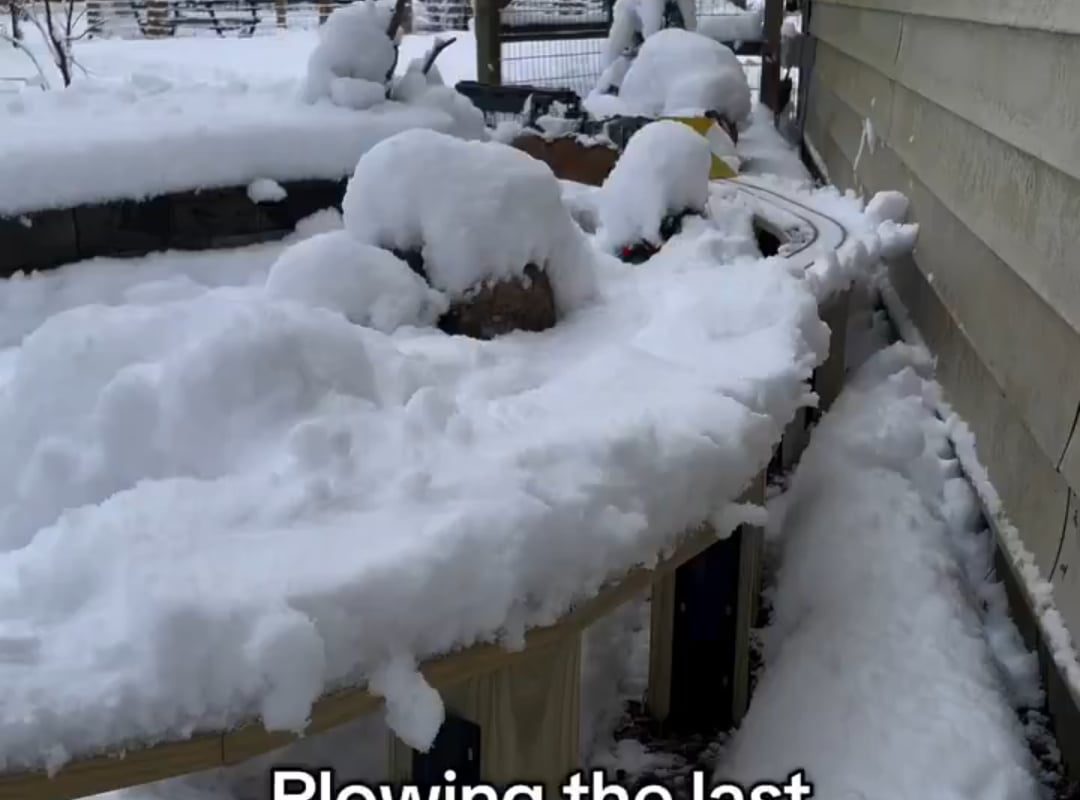
This little snowplow train clearing the tracks
The Unsung Hero of Winter: How Snowplow Trains Keep Railway Tracks Clear
As winter blankets landscapes in snow, railways face a formidable challenge: keeping tracks clear for safe and efficient travel. Enter the snowplow train, a specialized marvel of engineering that battles blizzards head-on to ensure freight and passenger trains stay on schedule. In this article, we dive into how these rugged machines work, why they’re vital, and what makes them a fascinating feat of winter logistics.
Why Snowplow Trains Matter: The Battle Against Winter’s Fury
Railroads are lifelines for commerce and travel, but heavy snow, ice, and drifts can paralyze them in minutes. A single foot of snow can derail trains, block signals, and cripple national supply chains. To combat this, snowplow trains—often called “rotary plows” or “flangers”—deploy like armored cavalry to clear paths through snow-packed corridors. Without them, rail networks in regions like the Alps, Siberia, or the American Rockies would shut down for months each year.
How Does a Snowplow Train Work? Anatomy of a Track-Clearing Titan
1. The Plow Blade: Carving Through Snow Like Butter
The front of the train features a massive steel or composite plow blade, angled to push snow sideways off the tracks. Some models use V-shaped blades to split drifts, while others have adjustable wings to handle deep accumulations efficiently.
2. Rotary Snowplows: The Ice-Slaying Titans
For extreme conditions, rotary plows take center stage. These beasts feature a giant spinning blade (up to 16 feet wide) powered by the train’s engine or an auxiliary motor. The rotary blade chews through snow and ice, throwing debris up to 60 feet away from the tracks—ideal for tunnels and mountainous terrain.
3. Supporting Technology
- Flangers: Attachments that scrape ice from between rails to prevent slips.
- Jet Engines: Some modern plows (like Russia’s Typhoon) use retrofitted aircraft engines to melt snow with blasts of hot air.
- GPS and Sensors: Real-time data helps crews navigate whiteout conditions and avoid buried obstacles.
The Perils of Plowing: Challenges Snowplow Operators Face
Driving a snowplow train isn’t for the faint of heart. Crews work in sub-zero temperatures, often during blizzards, with visibility near zero. Key risks include:
- Avalanches: Common in mountain passes like Donner Pass (California) or the Canadian Rockies.
- Ice Buildup: Heavy ice can snap plow blades or derail the train.
- Wildlife: Moose or deer trapped on tracks require quick action to avoid collisions.
“You’re essentially driving blindfolded while pushing a wall of snow,” says veteran plow operator Jake Morrow. “But when you clear a blocked line, you feel like you’ve saved the day.”
Iconic Snowplow Trains Around the World
- USA: Union Pacific’s Rotary Snowplow X-9000 (built in 1950) still serves Wyoming’s treacherous Sherman Hill.
- Japan: The Snowdozer keeps the bullet train (Shinkansen) running through Hokkaido’s heavy snows.
- Switzerland: The RhB Rotary Plow clears the UNESCO-listed Bernina Railway, famed for its alpine scenery.
Why Railroads Rely on Plows (Not Just Tech)
While drones and AI help monitor snow depth, physical removal remains irreplaceable. Plows move thousands of tons of snow per hour—far faster than shovels, blowers, or chemicals. For railroads, investing in plow fleets prevents costly delays: a single stalled freight train can cost $100k/hour in lost revenue.
The Future of Snowplow Technology
Innovations are making snowplows smarter and greener:
- Hybrid-Electric Plows: Reduce diesel emissions.
- Autonomous Trains: AI-guided plows could run 24/7 in remote areas.
- Track-Embedded Heaters: Melting snow before it accumulates (used in Norway’s tunnels).
Yet, the classic roar of a rotary plow will remain iconic—a symbol of human ingenuity versus nature’s fiercest weather.
FAQs About Snowplow Trains
Q: How fast can a snowplow train clear tracks?
A: Speeds vary, but most plows move at 5–15 mph in heavy snow. Rotary plows can clear 6,000 tons per hour!
Q: Do passenger trains ever double as plows?
A: Rarely. Dedicated plow trains are heavier and reinforced to avoid damage.
Q: Can snowplow trains derail?
A: Yes—icy rails or hidden debris pose risks. Crews use caution and advanced sensors to minimize danger.
Conclusion: The Silent Guardians of Winter Railways
Snowplow trains are more than machines; they’re unsung heroes ensuring goods reach markets, families reunite for holidays, and economies keep moving. The next time you see a video of a plow carving through a snowdrift, remember: that fleeting spectacle is the culmination of centuries of rail innovation—and sheer human grit.
Pro Tip: Search for #SnowplowTrain on social media to catch viral clips of these giants in action!
Target Keywords:
- Snowplow train
- Railway snow removal
- Rotary snowplow
- Winter train operations
- Railroad snow-clearing technology
By blending technical insights with compelling storytelling, this article aims to rank high for winter rail enthusiasts while educating curious readers about this niche-but-critical corner of transportation.