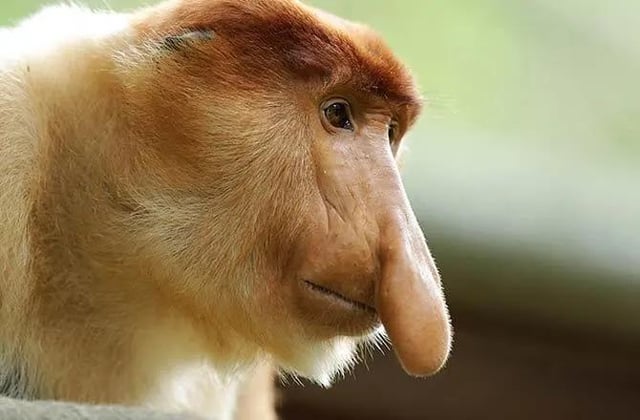
Meet one of the Unsual Monkey: Proboscis Monkey
Meet One of Nature’s Most Unusual Monkeys: The Proboscis Monkey
Discover the Fascinating World of Borneo’s Long-Nosed Primate
Introduction: The Charismatic Oddball of the Primate World
With its comically large nose, potbelly, and reddish-brown fur, the proboscis monkey (Nasalis larvatus) looks like it leaped straight out of a cartoon. Endemic to the island of Borneo, this endangered primate is one of the planet’s most unusual and captivating creatures. In this article, we’ll explore its unique features, behavior, habitat, and the urgent conservation efforts needed to protect it.
What Makes the Proboscis Monkey So Unusual?
1. The Iconic “Hose Nose”
The proboscis monkey’s most defining trait is its elongated, pendulous nose. Male noses can grow up to 7 inches long—so large they droop over the mouth! Scientists believe this nose serves multiple purposes:
- Attracting Mates: Larger noses amplify the male’s honking vocalizations, signaling strength and dominance.
- Cooling Mechanism: The nose may help regulate body temperature in Borneo’s sweltering jungles.
- Water Safety: It can act as a snorkel when swimming—a skill these monkeys excel at!
2. A Body Built for Survival
- Potbelly Physiology: Their large bellies house a multi-chambered stomach to digest tough leaves, their primary food source.
- Webbed Feet: Uncommon among primates, their partially webbed toes make them agile swimmers.
3. Social “Harem” Lifestyle
Proboscis monkeys live in groups led by a dominant male with a harem of females. Bachelor males form smaller all-male bands, often competing to overthrow leaders. Their loud, honking calls echo across rivers to mark territories.
Habitat: Life in Borneo’s Mangroves and Rainforests
Proboscis monkeys thrive in coastal mangroves, peat swamps, and riverine forests. These habitats provide:
- Abundant Food: Leaves, seeds, fruits, and occasional insects.
- Escape Routes: Trees near water let them dive away from predators like crocodiles and clouded leopards.
- Community Networks: Troops gather along riverbanks at dusk, creating unforgettable wildlife spectacles.
Why Are Proboscis Monkeys Endangered?
This species is classified as Endangered by the IUCN, with populations plummeting by 50% in 40 years. Key threats include:
- Habitat Loss: Deforestation for palm oil plantations, logging, and human settlements destroys their homes.
- Hunting: Illegal poaching for meat and traditional medicine persists despite protections.
- Climate Change: Rising sea levels erode coastal mangroves—their critical sanctuary.
Conservation Efforts: How Can We Help?
Organizations like WWF, Orangutan Foundation International, and local Borneo initiatives are fighting to protect the proboscis monkey through:
- Forest Restoration: Replanting mangroves and safeguarding river corridors.
- Ecotourism: Responsible tours fund conservation and raise awareness.
- Anti-Poaching Patrols: Enforcing wildlife protection laws.
You Can Contribute By: - Choosing sustainable palm oil-free products.
- Supporting conservation NGOs.
- Spreading awareness about this unique species.
Did You Know? Proboscis Monkey Trivia
- Swimming Champions: They’re among the few primates that swim proficiently, often leaping from trees into rivers.
- Baby Blues: Infants have bright blue faces that darken with age.
- Nighttime Roosts: Troops sleep in riverside trees to evade predators.
Conclusion: A Call to Protect Borneo’s Living Wonder
The proboscis monkey isn’t just unusual—it’s a vital part of Borneo’s fragile ecosystem. By learning about and advocating for this irreplaceable primate, we can ensure future generations marvel at its quirky charm. Let’s work together to safeguard the “Dutchman Monkey” (as locals call it) before it becomes a ghost of the mangroves.
Meta Description: Discover the proboscis monkey—Borneo’s endangered, long-nosed primate! Learn about its unique traits, habitat, and conservation status in this engaging guide.
Keywords: Proboscis Monkey, Long-Nosed Monkey, Endangered Primates, Borneo Wildlife, Unusual Animals, Primate Conservation, Nasalis larvatus, Unique Monkeys.
Image Suggestion: Include photos of proboscis monkeys in trees/swimming, highlighting their noses and social behavior.