The art of making Uzbek bread
Meta Description: Discover the rich tradition of Uzbek bread, or non—a centuries-old culinary art. Learn about its cultural significance, unique baking techniques, and how to make authentic tandoor-baked bread at home.
Keywords: Uzbek bread, non, lepeshka, tandoor bread, Uzbek bread recipe, traditional Uzbek bread, how to make non
The Art of Making Uzbek Bread: A Sacred Tradition from the Heart of Central Asia
Uzbek bread, known as non or lepeshka, is more than just a staple food in Uzbekistan—it’s a symbol of hospitality, prosperity, and centuries-old craftsmanship. Baked in fiery clay ovens called tandoors, this golden, intricately patterned bread holds a revered place in Uzbek culture. For generations, the art of making non has been passed down through families, blending ritual, skill, and community.
In this guide, we’ll explore the history, cultural significance, and step-by-step process of creating Uzbek bread, whether you have a tandoor or a conventional oven.
The Cultural Soul of Uzbek Bread
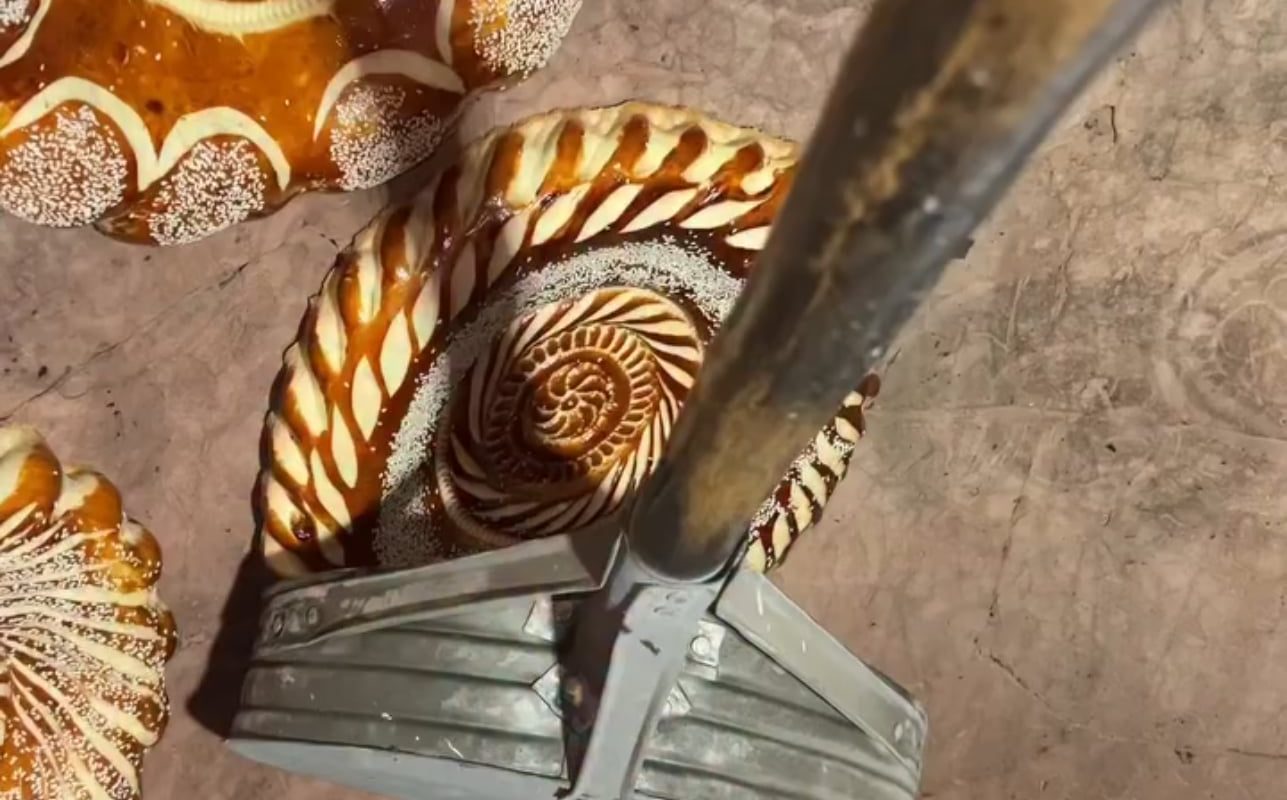
In Uzbekistan, bread is treated with deep respect. It is never placed upside down (considered disrespectful) and is often used in ceremonies, from weddings to religious events. Legends say that during times of war, people carried non around their necks as a talisman for protection. Each loaf is stamped with a chikish (design tool), creating patterns that may represent family heritage, nature, or tribal motifs.
Regional varieties abound:
- Samarkand non: Thick, fluffy, with a dimpled center.
- Tashkent non: Thinner and crispier, often larger in size.
- Fergana Valley non: Buttery and layered, similar to paratha.
Ingredients & Tools: Keeping Tradition Alive
Authentic Uzbek bread requires minimal ingredients but relies on technique:
Ingredients:
- 4 cups high-quality wheat flour (extra for dusting)
- 1.5 cups warm water
- 1 tsp active dry yeast (or sourdough starter for a traditional tang)
- 1 tsp salt
- 1 tsp sugar (to activate yeast)
- Sesame or nigella seeds (for topping)
Tools:
- Tandoor oven: A cylindrical clay oven heated with wood or coal.
- Chikish: A wooden stamp for creating patterns.
- Pillow-shaped模具 (optional): For shaping the dough.
Step-by-Step: Crafting Uzbek Bread at Home
1. Prepare the Dough
- Dissolve yeast and sugar in warm water. Let sit for 10 minutes until frothy.
- Mix flour and salt in a large bowl. Gradually add the yeast mixture, kneading for 15–20 minutes until smooth and elastic.
- Cover with a cloth and let rise in a warm place for 2 hours (until doubled).
2. Shape and Decorate
- Punch down the dough and divide into 2–3 portions. Roll each into a ball.
- Flatten into a round disk (~1 inch thick). Use a chikish or fork to stamp intricate patterns into the center. This helps the bread cook evenly and adds artistry.
- Press sesame seeds onto the surface and lightly brush with water to create a glossy crust.
3. Bake Like a Pro
Traditional Tandoor Method:
- Heat the tandoor to 400–450°F (200–230°C).
- Slap the dough onto the oven’s inner wall using a padded mitt. Bake for 10–12 minutes until golden and puffed.
Home Oven Adaptation:
- Preheat a pizza stone or baking steel at 475°F (245°C) for 30 minutes.
- Slide the dough onto the stone and bake for 15–18 minutes. Spritz the oven with water to mimic tandoor steam.
Tips for Perfect Non
- Kneading is key: Develop gluten for the signature chewy-yet-airy texture.
- Rest the dough: A longer rise (up to 4 hours) enhances flavor.
- Embrace imperfections: Cracks and blisters add rustic charm!
Serving Uzbek Bread: Customs and Pairings
Uzbek non is best enjoyed fresh, often torn by hand and shared. Pair it with:
- Plov (pilaf): Uzbekistan’s national rice-and-meat dish.
- Kaymak (clotted cream) and honey for breakfast.
- Green tea to balance the bread’s richness.
Leftovers are repurposed—dried into croutons or softened in soups.
The Legacy Lives On
In Uzbekistan, bakeries (nonvoy) still bake non daily, with locals lining up for warm loaves. While mastering the tandoor takes years, home cooks worldwide are embracing this art. Whether you bake it in a oven or over an open fire, Uzbek bread is a testament to the beauty of simplicity and tradition.
FAQs
Q: Can I bake Uzbek bread without a tandoor?
A: Yes! A pizza stone or cast-iron skillet in a hot oven works well.
Q: Why is my bread too dense?
A: Under-kneading or insufficient rising time may be the cause. Let the dough rest until doubled.
Q: How long does non stay fresh?
A: Consume within 1–2 days. Refresh stale bread by sprinkling water and reheating.
Keywords for SEO: Uzbek bread recipe, tandoor bread, Central Asian cuisine, how to make non, traditional bread baking
Capture the spirit of Uzbekistan in your kitchen—craft a loaf of golden non, and savor a taste of history.