Behind the scenes process of creating Daft Punk’s “Around the World” (1997)
Unmasking the Magic: The Behind-the-Scenes Creation of Daft Punk’s “Around the World” (1997)
Daft Punk’s 1997 French house anthem “Around the World” is a timeless masterpiece that revolutionized electronic music and cemented the duo’s legacy as pioneers. With its hypnotic bassline, robotic vocals, and infectiously simple groove, the track became a global phenomenon. But what went into crafting this minimalistic yet groundbreaking hit? Let’s dive into the untold story of its creation.
The Birth of the Concept: Simplicity as Genius
Thomas Bangalter and Guy-Manuel de Homem-Christo, the enigmatic duo behind Daft Punk, began working on their debut album Homework in the mid-1990s. Their goal was to break from the maximalist trends dominating dance floors at the time. Instead of complex arrangements, they focused on raw, stripped-down funk—inspired by disco, Chicago house, and hip-hop.
“Around the World” was born from a single idea: repetition as a hook. The title phrase is the only lyric, repeated in a robotic, layered chant. Bangalter later explained:
“The idea was to make the groove the main character. The words are just another instrument.”
The Equipment: Low-Tech Tools, High-Impact Sound
Contrary to today’s tech-saturated studios, Daft Punk used limited, affordable gear for Homework, recorded mostly in Bangalter’s Paris apartment. Key tools included:
- Roland TR-808: For punchy, iconic drum patterns.
- Roland TB-303: Responsible for the squelchy acid basslines.
- Roland SH-101: Added sharp synth melodies (like the whistling lead in the bridge).
- Vocoders: To process vocals into android-like chants.
The duo embraced imperfections, letting analog warmth and slight distortions shape the track’s human-meets-machine vibe.
The Production Process: Layering Hypnotic Loops
- The Bassline: The foundational loop—a funky, descending bass riff played on the TB-303—was crafted first. It pulses continuously, anchoring the track.
- Drums: The TR-808 provided the skeletal beat, blending kick drums, handclaps, and crisp hi-hats.
- Vocals: The repetitive vocal hook was recorded raw, then processed through vocoders and layered 12+ times for a robotic chorus.
- Minimalist Arrangement: Each element (synths, percussion, bass) enters and exits with surgical precision, creating tension and release.
The entire track features no chord changes or verse-chorus structure. Instead, its power lies in subtle shifts in rhythm and texture, keeping listeners entranced.
The Secret Sauce: Collaboration & Experimentation
- Pedro Winter (Busy P): The duo’s future manager, then a friend, became a sounding board during late-night studio sessions.
- DIY Mixing: Bangalter described mixing with cheap gear, pushing limits to create a “sloppy, but groovy” sound.
- Influences: The bassline echoes funk legends like Chic, while the synths pay homage to Detroit techno.
The Music Video: A Choreographed Masterpiece
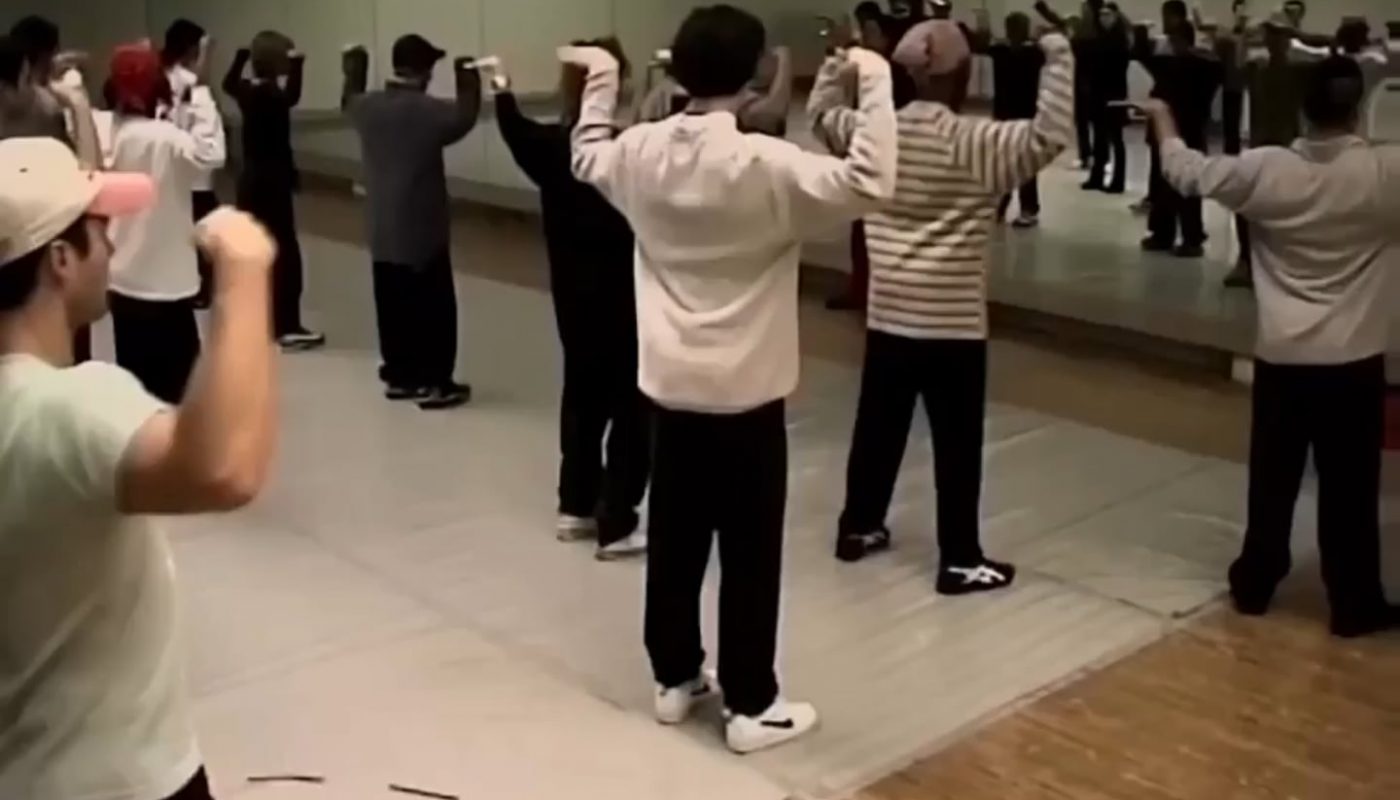
Directed by Spike Jonze (at the duo’s request), the 1997 music video features dancers in matching costumes representing each track element—bassline robots, skeleton drummers, mummy backup singers, and more—all moving in sync with the music. The concept mirrored Daft Punk’s philosophy: music as a machine with human soul.
Legacy & Impact
Released as Homework’s lead single, “Around the World” climbed charts worldwide, hitting #1 in Canada and becoming a club staple. Critics praised its audacious simplicity—Rolling Stone called it “the perfect loop distilled into pop.”
The track also set the stage for Daft Punk’s future sound, proving that less could be more in electronic music. Decades later, it’s sampled, remixed, and streamed millions of times, proof of its enduring influence.
Fun Facts & FAQs
- Length: The album version runs 7:09, embracing the “slow build” ethos of house music.
- Chart Success: Despite minimal radio play, MTV’s rotation of Jonze’s video propelled it to mainstream attention.
- Sampling Legacy: Artists like Kanye West and Deadmau5 have cited the song as an influence.
Conclusion: A Blueprint for Innovation
“Around the World” remains a masterclass in musical reductionism—a reminder that genius often hides in simplicity. For Daft Punk, it was just the beginning of a career redefining electronic soundscapes. As Bangalter joked:
“We were just two kids with machines, trying to make people dance.”
But in reality, they reshaped pop culture—one robotic bassline at a time.
Images to Include (Suggested):
- Daft Punk in their 1990s studio setup.
- Screenshots from Spike Jonze’s music video.
- Vintage shots of Roland TR-808/TB-303 gear.