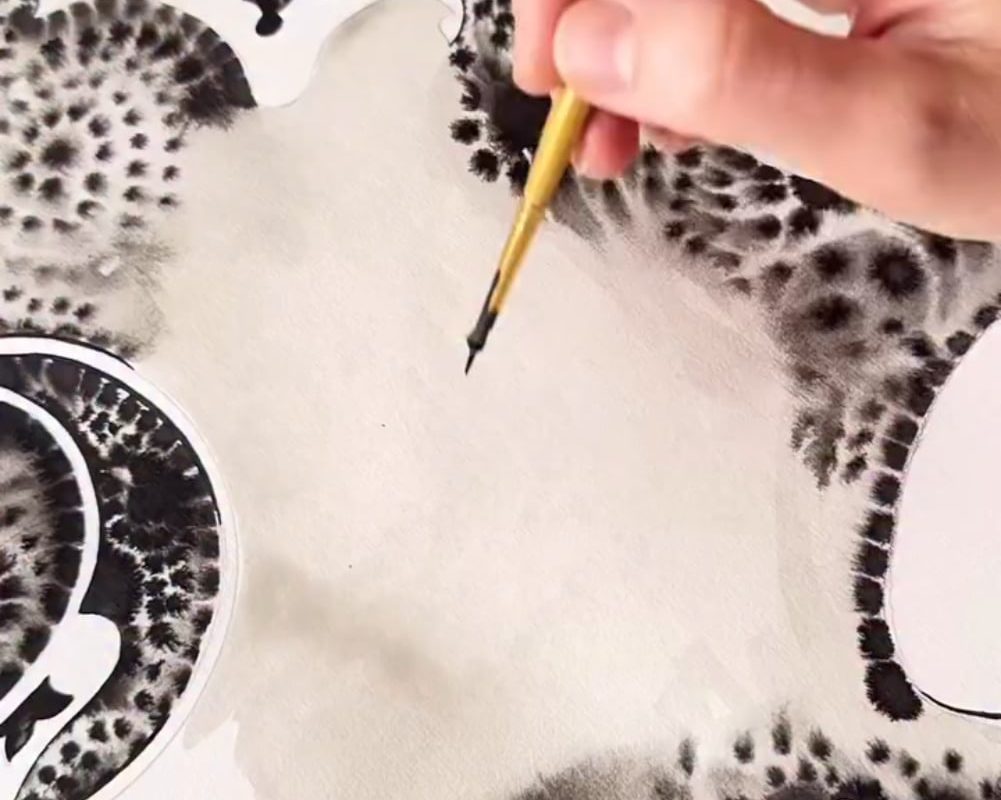
Beautiful wet on wet painting on paper
Title: Mastering Wet on Wet Watercolor: A Journey into Fluid Artistry on Paper
Introduction
There’s something undeniably magical about the swirl of pigments merging with water on paper—a dance of colors that gives birth to ethereal, dreamlike art. Wet on wet painting, a beloved watercolor technique, invites artists to embrace spontaneity and harness the beauty of fluidity. If you’ve ever admired soft gradients, organic textures, or otherworldly landscapes in watercolor, chances are you’ve witnessed the artistry of wet on wet painting on paper. In this guide, we’ll dive into this captivating technique, explore its allure, and share tips to help you create your own mesmerizing masterpieces.
What is Wet on Wet Watercolor Painting?
Wet on wet (also called “wet-into-wet”) involves applying pigment to damp paper, allowing colors to bloom, blend, and flow organically. Unlike traditional methods where paint meets dry surfaces, this technique encourages unpredictability—water and pigment interact freely, creating soft edges, seamless transitions, and mesmerizing textures.
The result? Paintings that evoke emotion through their dreamy, atmospheric quality—think misty forests, sunsets melting into horizons, or abstract washes of color.
Why Choose Paper for Wet on Wet Painting?
Paper isn’t just a canvas—it’s an active participant in the process. High-quality watercolor paper, built to handle heavy washes, is essential:
- Absorbency: Thick, textured paper (like cold-pressed or rough) holds water longer, giving pigments time to mingle.
- Durability: Cotton-based papers (e.g., Arches, Saunders Waterford) resist warping and tearing, even when saturated.
- Surface Magic: The paper’s tooth (texture) catches pigment uniquely, adding character to gradients and blooms.
The Allure of Wet on Wet Techniques
- Serendipity & Unpredictability: Each stroke is a collaboration between artist and medium—water dictates movement, creating happy accidents.
- Softness & Depth: Perfect for atmospheric scenes, backgrounds, or abstract expressions demanding subtlety.
- Beginner-Friendly: Mistakes melt away! Blending hides imperfections, making it ideal for new artists.
- Speed & Fluidity: Large washes come alive quickly, ideal for plein air or expressive sessions.
Materials You’ll Need
- Paper: 140lb+ watercolor paper (cold-pressed for texture, hot-pressed for smoothness).
- Paints: Fluid, highly pigmented watercolors (tube paints work best for intense color).
- Brushes: Natural hair (sable/squirrel) or synthetic rounds/mops for holding water.
- Water & Spray Bottle: Keep paper damp and reactivate drying areas.
- Masking Fluid/Tape: Preserve white areas if needed.
Step-by-Step Guide to Wet on Wet Painting on Paper
-
Prepare Your Workspace:
- Stretch paper or tape it down to prevent buckling.
- Pre-mix pigment pools for seamless application.
-
Wet the Paper:
- Use a clean brush or spray bottle to evenly dampen the paper. Avoid puddles—aim for a sheen.
-
Apply Paint:
- Load your brush with pigment and touch it to the damp surface. Watch colors spread like wildfire!
- Layer hues while wet: Start light, then add darker tones for depth.
-
Embrace the Flow:
- Tilt the paper to guide pigments into organic shapes (e.g., clouds, waves).
- Sprinkle salt or spritz water for playful textures.
-
Let It Dry Naturally:
- Resist touching! For softer effects, let water work its magic undisturbed.
Pro Tips for Stunning Results
- Timing is Key: Work quickly before the paper dries. Re-wet areas sparingly to avoid “cauliflowers” (blooms).
- Control Water: Too much water dilutes pigment; too little limits blending. Find balance.
- Limit Palette: 3-5 colors prevent muddiness. Let analogous or complementary shades harmonize.
- Preserve Whites: Plan highlights in advance (masking fluid) or lift color with a dry brush.
What to Paint with Wet on Wet Techniques
- Skies & Seascapes: Capture sunsets, stormy clouds, or crashing waves.
- Floral Abstracts: Let petals bleed into one another for a romantic feel.
- Landscapes: Misty mountains, forests, or foggy meadows thrive with this style.
- Emotional Abstracts: Channel moods through freeform washes and splatters.
Conclusion: Let Fluidity Fuel Your Creativity
Wet on wet watercolor painting on paper isn’t just a technique—it’s a lyrical dialogue between artist and medium. By surrendering to the flow of water and pigment, you unlock a world of softness, surprise, and soulful expression. Whether you’re a seasoned painter or a curious beginner, let go of perfection and embrace the beauty of the unknown.
Grab your brushes, soak that paper, and let your creativity run wild—one watery blend at a time.
Meta Description:
Discover the magic of wet on wet painting on paper! Our guide explores tips, techniques, and inspiration for creating dreamy watercolor art with stunning fluid blends.
Keywords: wet on wet watercolor, painting on paper, watercolor techniques, fluid art, watercolor blending, beginner watercolor, wet into wet, watercolor paper tips, abstract painting.
Ready to make your brush dance? Share your wet-on-wet creations with us in the comments below! 🎨💧