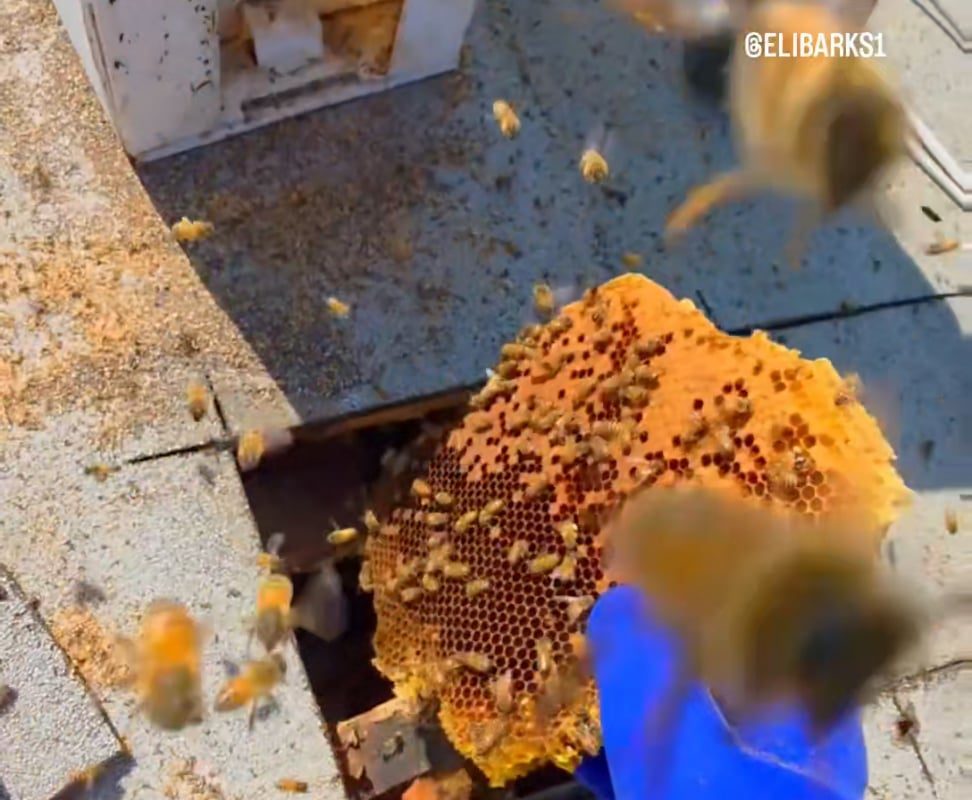
Did anyone order a beehive in the roof?
Title: Did Anyone Order a Beehive in the Roof? How to Handle an Unexpected Honeybee Infestation
Discovering a beehive in your roof or attic can be alarming. While honeybees play a vital role in pollination and ecosystems, a hive inside your home poses risks to your property and safety. If you’ve noticed buzzing overhead or seen bees coming and going from your eaves, this guide explains what to do next—and how to resolve the problem responsibly.
Why Would Bees Choose a Roof?
Bees are opportunistic when seeking shelter. Your roof or attic provides:
- Warmth & Protection: Enclosed spaces shield hives from predators and weather.
- Secluded Entry Points: Small cracks in vents, chimneys, or soffits offer easy access.
- Undisturbed Space: Dark, quiet areas mimic natural tree cavities, making roofs ideal for swarms.
If not addressed, a small swarm can grow into a massive hive housing thousands of bees—and hundreds of pounds of honeycomb.
Signs You Have Bees in Your Roof
Watch for these red flags:
- 🐝 Increased Bee Activity: Bees hovering near roof edges, vents, or gutters.
- 🏡 Buzzing Sounds: Loud humming from walls or ceilings.
- 🍯 Honey Stains: Dark spots or sticky residue on ceilings or walls.
- 🔨 Structural Damage: Sagging drywall or weakened wood from honeycomb weight.
Note: Distinguishing honeybees from wasps or hornets is crucial, as removal methods differ. Honeybees are fuzzy and golden-brown; wasps are smoother with brighter yellow markings.
The Risks of Ignoring a Roof Beehive
While bees are generally non-aggressive, a hive in your home can lead to:
- Structural Damage: Honey and wax absorb moisture, rotting wood and attracting pests.
- Bee Stings: Disturbing the hive may provoke defensive swarms, especially dangerous for allergic individuals.
- Difficulty Selling Your Home: A neglected infestation can deter buyers and require costly repairs.
How to Remove a Beehive Safely (Step-by-Step)
1. Confirm the Species: Contact a local beekeeper or pest control expert to verify they’re honeybees—not wasps.
2. Avoid DIY Removal: Never seal entry points or spray insecticides. Trapped bees may infiltrate living spaces, and toxic chemicals contaminate honeycombs.
3. Hire a Professional:
- Beekeepers: Often remove hives for free to relocate bees humanely.
- Pest Control: Necessary if bees are aggressive or the hive is inaccessible.
4. Repair Damage: After removal, seal entry points and replace damaged insulation or wood to prevent recurrence.
Preventing Future Bee Infestations
- 🔍 Inspect Regularly: Check roofs, chimneys, and eaves in spring (swarm season).
- 🛠️ Seal Gaps: Use caulk or mesh to close cracks around vents, pipes, and rooflines.
- 🌿 Deterrents: Plant mint or eucalyptus near eaves—bees dislike their scent.
FAQs About Roof Beehives
Q: Will my homeowner’s insurance cover hive removal?
A: Usually not, unless structural damage occurs (check your policy).
Q: Are all bee species protected?
A: Honeybees aren’t endangered, but ethical removal is encouraged. Some regions protect native bumblebees.
Q: How much does professional removal cost?
A: Between $100–$1,000, depending on hive size, location, and repairs needed.
The Silver Lining: Helping Honeybees Thrive
If the hive is healthy, relocating it supports declining bee populations. Many beekeepers will gladly rehome your roof residents to pollinate gardens or farms!
Final Thoughts
A beehive in your roof isn’t a DIY project—it’s a job for experts. Acting quickly minimizes damage and keeps your home safe while respecting these essential pollinators. If you hear buzzing overhead, don’t panic: Contact a trusted beekeeper or wildlife removal service today.
Need Help Now?
Search “[Your City] bee removal service” or check directories like the American Beekeeping Federation (ABF) for local pros.
Meta Description: Found a beehive in your roof? Learn why bees move in, signs of infestation, safe removal steps, and prevention tips. Protect your home without harming vital pollinators!