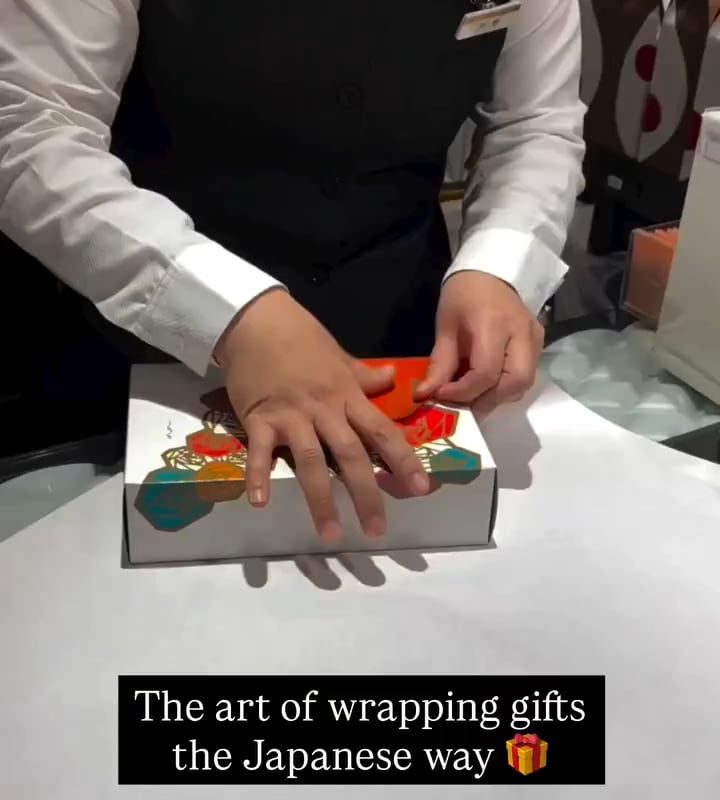
The art of wrapping gifts the Japanese way.
Title: The Art of Wrapping Gifts the Japanese Way: Embracing Elegance and Intention
Meta Description: Discover the ancient Japanese art of gift wrapping—tsutsumi, furoshiki, and mizuhiki—where every fold symbolizes care, respect, and mindfulness.
Introduction: Beyond the Wrapping Paper
In Japan, gift-giving transcends mere obligation. It is a profound act steeped in tradition, respect, and thoughtfulness. Central to this ritual is the art of wrapping gifts—known as tsutsumi (包み)—where the presentation is as meaningful as the gift itself. Unlike Western gift-wrapping, which prioritizes speed and aesthetics, the Japanese method elevates wrapping into a meditative practice of intentionality.
In this guide, we’ll explore the cultural philosophy, materials, and techniques behind Japanese gift wrapping. Whether you’re preparing for a special occasion or seeking sustainable alternatives, these principles will transform your approach to gifts forever.
The Philosophy of Japanese Wrapping: Beauty in Imperfection and Intention
Japanese gift wrapping is deeply influenced by Zen Buddhism and wabi-sabi, the celebration of imperfection and transience. Key principles include:
- Omotenashi (Hospitality): Wrapping expresses gratitude and care for the recipient.
- Mottainai (Avoiding Waste): Reusable materials like cloth honor resources.
- Kansha (Appreciation): Every fold and knot reflects thoughtfulness.
This mindset transforms wrapping into a ritual of mindfulness, where the wrapper focuses on the recipient’s joy rather than perfection.
Essential Materials for Authentic Japanese Wrapping
1. Washi Paper (和紙)
Handmade from mulberry bark, washi paper is lightweight yet durable, often adorned with nature-inspired patterns (cherry blossoms, cranes, or waves). It symbolizes purity and tradition.
- Tip: Use double-sided tape to preserve the paper’s integrity.
2. Furoshiki (風呂敷)
These reusable, decorative cloths (traditionally silk or cotton) are eco-friendly alternatives to disposable paper. Furoshiki dates back to the Edo period, when people wrapped belongings in bathhouse visits.
- Popular Sizes: 18”x18” (small gifts) to 70”x70” (larger items).
- Patterns Matter: Seasons or motifs like chrysanthemums (longevity) or pine trees (steadfastness) convey unspoken messages.
3. Mizuhiki (水引)
Intricate cords made from rice paper, dyed and braided into symbolic knots, signify the relationship between giver and receiver:
- Awabi Musubi (Knot of Eternity): For weddings or milestones.
- Cho Musubi (Butterfly Knot): For casual gifts.
Step-by-Step Japanese Wrapping Techniques
1. The Classic Furoshiki Wrap
Ideal for boxy items like books or bottles:
- Lay the cloth flat, diamond-style.
- Place the gift in the center.
- Fold opposing corners inward, tying a simple knot or twist.

2. Washi Paper Perfection
- Fold paper around the gift like origami, ensuring clean lines.
- Secure with tape hidden beneath folds.
- Accent with mizuhiki or a dried sprig (e.g., sakura for spring).
3. Mizuhiki Knots
- Loop cords around the gift before tying.
- For a double-loop knot (symbolizing reciprocity), cross cords twice before tightening.
Why Japanese Wrapping Resonates Globally
- Sustainability: Furoshiki aligns with zero-waste lifestyles.
- Mindfulness: The process reduces stress and fosters presence.
- Cultural Storytelling: Patterns and knots silently communicate emotions.
As Marie Kondo famously stated: “The act of folding is a dialogue with the material.”
Try It Yourself: Quick DIY Tips
- Start Simple: Wrap a small box with cloth using the “basic carry” furoshiki technique.
- Repurpose: Use scarves or vintage fabric for a personal touch.
- Add Nature: Tie with twine and fresh foliage (e.g., maple leaves in autumn).
Conclusion: A Gift Within a Gift
Japanese gift wrapping teaches us that how we give matters as much as what we give. It’s an invitation to slow down, cherish connections, and honor the Earth. Whether you’re wrapping a birthday present or a token of gratitude, embrace tsutsumi as a practice of heart-led intentionality.
“A gift wrapped with sincerity is already half-given.” — Japanese Proverb
CTA: Ready to elevate your gifting? Share your first Japanese-style wrapped creation with #MindfulWrapping!
SEO Keywords:
Japanese gift wrapping, furoshiki technique, washi paper gift wrap, tsutsumi tradition, sustainable wrapping ideas, mizuhiki knots, mindful gifting, Japanese culture.