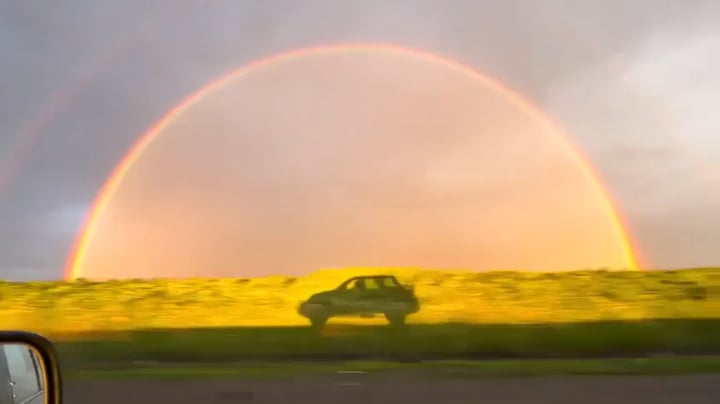
Shot of a lifetime from a moving car
Title: Capturing the Shot of a Lifetime from a Moving Car: Tips, Techniques, and Safety
In the world of photography, few challenges are as exhilarating—or as tricky—as capturing a stunning shot from a moving vehicle. Whether you’re chasing golden-hour landscapes, candid street scenes, or a dramatic wildlife moment, the “moving car shot” combines spontaneity, speed, and artistry. But nailing this kind of image requires more than just luck; it demands strategy, technical skill, and a dash of daring.
In this guide, we’ll break down how to capture jaw-dropping photos from a moving car, covering gear, settings, composition, and essential safety tips. Buckle up—it’s going to be a creative ride!
Why Shoot from a Moving Car?
The appeal is undeniable:
- Unique Perspectives: Cars offer a dynamic vantage point, transforming ordinary scenes into motion-filled masterpieces.
- Unreplicable Moments: Think wild animals darting across a savanna or neon lights streaking through a rainy city night.
- Creative Freedom: Blurs, light trails, and abstract textures turn imperfections into art.
But this technique isn’t just about pointing and shooting. Here’s how to do it right.
1. Gear Up for the Challenge
The right equipment minimizes shake and maximizes creativity:
- Camera: Use a DSLR or mirrorless camera with manual controls. Smartphones can work in a pinch (try Pro mode!).
- Lens: A fast-aperture lens (f/2.8 or lower) helps in low light. For versatility, a 24-70mm zoom is ideal.
- Stabilization: No tripod? Image stabilization (IS) lenses or cameras are a must. Lean against the door or use a padded window mount.
- Polarizing Filter: Reduces glare from windows and boosts sky/cloud contrast.
Pro Tip: Roll down the window to avoid reflections and dirt smudges. If you can’t, shoot angled against the glass.
2. Master Your Camera Settings
Shutter Speed is King:
- Freeze Motion: For sharp subjects (e.g., a runner), use 1/500s or faster.
- Intentional Blur: For artistic streaks (lights, landscapes), drop to 1/60s–1/15s. Pan with the subject!
- Adjust ISO: Keep it as low as possible (ISO 100–400) to avoid noise. Increase only if lighting demands it.
- Aperture Priority?: Use Shutter Priority Mode (Tv/S) to control motion. Manual mode offers full creative reign.
Focusing: Set your camera to continuous autofocus (AI-Servo/AF-C) to track moving subjects. Pre-focus on a fixed distance if shooting landscapes.
3. Composition on the Fly
- Rule of Thirds: Align horizons or subjects off-center for dynamism.
- Lead Room: Leave space in the frame where the subject is “moving” toward.
- Foreground Interest: Blurred bushes or fences add depth.
- Embrace Imperfection: Tilted horizons or unexpected obstructions can tell a story.
Frame Faster: Shoot in bursts to increase your odds of a keeper.
4. Safety First: No Risks, Just Rewards
- Stay Secured: Never unbuckle or lean outside the vehicle. Let the driver focus on the road.
- Choose Safe Routes: Avoid busy highways. Country roads or controlled environments (e.g., safari parks) are ideal.
- Communicate: Tell the driver your plan so they can maintain steady speed and avoid sudden turns.
Warning: Don’t shoot while driving—ever. Assign photography to a passenger or pull over.
5. Expert Scenarios to Try
Golden Hour Landscapes:
- Shoot at 1/125s, f/8. Let the car’s motion soften grasses or trees while keeping mountains sharp.
Urban Light Trails:
- Night + 1/10s shutter speed + stable support = mesmerizing traffic light streaks.
Wildlife in Motion:
- In safari parks, use burst mode and track animals parallel to your car for sharpness.
Abstract Minimalism:
- Slow shutter + rainy window = moody, textured art.
6. Edit to Elevate
Post-processing polishes your moving-car masterpiece:
- Crop to emphasize motion or remove distractions.
- Boost Contrast/Saturation: Make blues and greens pop in landscapes.
- Reduce Noise: Tools like Lightroom’s Denoise AI clean up high-ISO shots.
- Add Drama: Experiment with vignettes or gradient filters.
Final Thoughts
The “shot of a lifetime” from a moving car isn’t about perfection—it’s about embracing chaos and finding beauty in motion. With the right prep and respect for safety, you’ll unlock a world of kinetic creativity. So grab your camera, hit the road, and remember: every failed shot is a lesson. The next click could be legendary.
📸 Your Turn: Share your best moving car shots with #MovingCarMagic—we’d love to see your adventures!
Meta Description:
Learn how to capture breathtaking photos from a moving car! This guide covers gear, settings, composition, and safety tips for stunning motion-filled shots. #PhotographyTips #AdventurePhotography
Target Keywords:
- Shot from a moving car
- How to take photos from a moving vehicle
- Motion blur photography tips
- Car photography techniques
- Creative travel photography
By merging technical advice with practical inspiration, this guide positions your content to rank for photography enthusiasts seeking actionable tips—while keeping thrills (and safety) in focus. 🚗✨