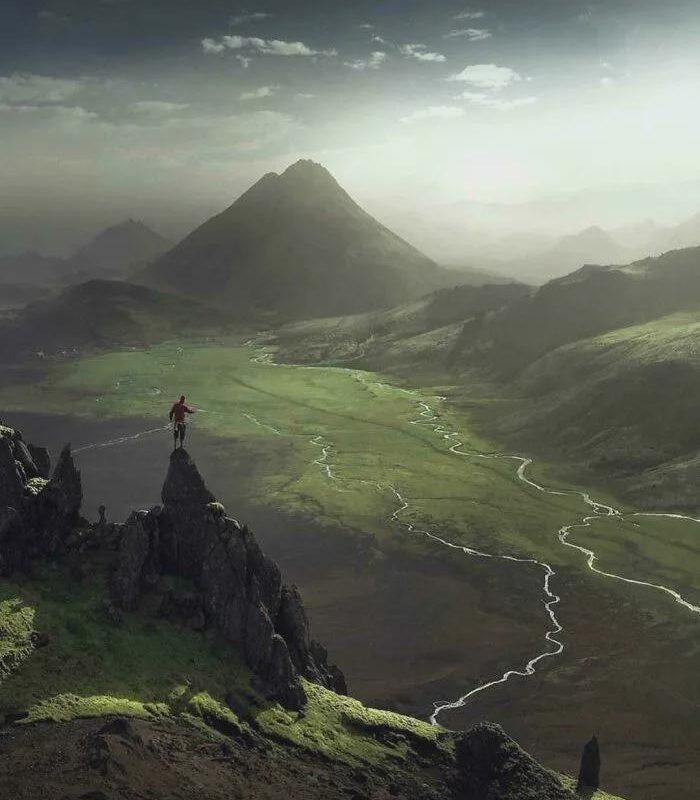
A River Valley In Iceland
Discovering Iceland’s Enchanting River Valleys: Where Fire, Ice, and Water Collide
Nestled between towering volcanoes, glittering glaciers, and vast lava fields, Iceland’s river valleys are nature’s masterpieces. Carved over millennia by the relentless power of glacial meltwater and volcanic activity, these valleys are wild, dramatic, and achingly beautiful. From emerald-green oases to rugged canyons roaring with waterfalls, a river valley in Iceland offers adventurers a gateway to one of Earth’s rawest landscapes.
Why Iceland’s River Valleys Captivate Travelers
Iceland’s river valleys are microcosms of the island’s untamed spirit. Unlike the tourist-thronged Golden Circle, many valleys remain blissfully remote, offering solitude amid striking scenery. Here, travelers witness:
- Glacial Rivers: Rivers like Þjórsá (Iceland’s longest) flow milky-blue with glacial silt.
- Volcanic Drama: Valleys often sit in the shadow of active volcanoes, like Eyjafjallajökull or Hekla.
- Biodiversity Hotspots: Hardy Arctic flora and migratory birds thrive in these sheltered ecosystems.
The Allure of Specific Icelandic River Valleys
1. Þórsmörk (Thorsmörk): Valley of the Thunder God
Location: Between glaciers Tindfjallajökull and Eyjafjallajökull in South Iceland.
Why Visit? Named after Thor, this valley is a hiker’s Eden. Surrounded by ice-capped peaks, crossed by braided glacial rivers, and dotted with lush birch forests, Þórsmörk feels mythical. The Laugavegur Trail (a multi-day trek) begins here, offering views of iconic landmarks like the Stakkholtsgjá canyon.
Tip: Visit in summer when highland buses (4×4 required!) make the valley accessible.
2. Jökulsárgljúfur: Europe’s Answer to the Grand Canyon
Location: Northeast Iceland, part of Vatnajökull National Park.
Why Visit? Carved by the powerful Jökulsá á Fjöllum river, this 25-km-long canyon is home to Dettifoss—Europe’s most powerful waterfall—and the eerie columnar basalt formations of Hljóðaklettar (“Echo Rocks”). Volcanic eruptions and catastrophic glacial floods shaped this landscape, creating otherworldly rock formations.
Tip: Combine with a visit to nearby Ásbyrgi, a horseshoe-shaped canyon steeped in Norse mythology.
3. Þakgil (Thakgil): Iceland’s “Hidden” Valley
Location: Near Vik in South Iceland.
Why Visit? Þakgil’s moss-covered lava fields, jagged peaks, and secret caves feel like stepping onto another planet. Its remoteness (accessed via rough gravel roads) keeps crowds away, making it ideal for camping under the midnight sun.
Tip: Hike to the valley’s “Cave Restaurant,” a rustic underground eatery serving lamb soup.
The Geological Drama Behind Iceland’s Valleys
Iceland’s river valleys are alive with geological action:
- Glacial Sculpting: During the Ice Age, glaciers carved deep U-shaped valleys. Today, meltwater rivers continue to reshape them.
- Volcanic Forces: Subglacial eruptions cause sudden glacial outburst floods (jökulhlaups), which rip through valleys, leaving behind vast sandurs (outwash plains).
- Tectonic Activity: Iceland straddles the Mid-Atlantic Ridge, meaning river valleys often trace fault lines between continental plates.
Flora and Fauna: Life in the Shadows of Giants
Despite harsh winters, Iceland’s river valleys burst with resilient life:
- Flora: Arctic thyme, lupines, birch woodlands, and mosses blanket valley floors in summer.
- Birds: Look for golden plovers, Arctic terns, and ptarmigans.
- Wildlife: Arctic foxes and reindeer roam the highlands bordering valleys.
Adventure Awaits: How to Explore
- Hiking: Trails range from family-friendly paths (e.g., Ásbyrgi’s Botnstjörn pond loop) to challenging routes like Fimmvörðuháls.
- Super Jeep Tours: Traverse rivers and lava fields to access hidden valleys.
- River Rafting: Try whitewater rafting on the Hvítá river near Gullfoss.
Best Time to Visit
- Summer (June–August): Mild weather (5–15°C), endless daylight, and accessible roads.
- Autumn (September): Fewer crowds, golden landscapes, and potential Northern Lights.
- Winter (October–March): Snow transforms valleys into silent wonderlands, but access is limited.
Photography Tips
- Capture the contrast between emerald valleys, black sands, and white glaciers.
- Use a polarizing filter to enhance river colors and reduce glare.
- Sunrise/sunset light paints valleys in ethereal hues—perfect for long exposures of waterfalls.
Preserving Iceland’s Fragile Valleys
With tourism booming, Iceland faces ecological pressure. Help protect these landscapes:
- Stay on marked trails to avoid damaging fragile moss.
- Never fly drones near wildlife or private land.
- Follow the Leave No Trace principles strictly.
Beyond the Valleys: Nearby Attractions
- South Coast: Pair Þórsmörk with visits to Skógafoss waterfall and Reynisfjara’s black-sand beach.
- North Iceland: Jökulsárgljúfur lies close to Lake Mývatn’s geothermal wonders.
Conclusion: Answer the Call of the Wild
Iceland’s river valleys are raw, poetic, and humbling—a symphony of elemental forces. Whether you trek through Þórsmörk’s fairy-tale woodlands or stand dwarfed by Dettifoss’s thunderous power, these valleys remind us of nature’s grandeur. Pack your sense of wonder (and waterproof gear!), and embark on a journey into Iceland’s beating heart.
Meta Description:
Explore Iceland’s mesmerizing river valleys—Þórsmörk, Jökulsárgljúfur & Þakgil. Discover hiking trails, geology, wildlife, and tips for an unforgettable adventure in Iceland’s wild heartland.