Jaguar takes Crocodile from the river
Meta Description: Witness the raw power of nature as we explore the extraordinary event of a jaguar hunting a crocodile (or caiman) in its river domain. Discover the strategy, adaptations, and ecological significance behind this apex predator clash.
Jaguar vs. Crocodile: The Apex Predator’s Audacious River Ambush
The dense rainforests and winding rivers of Central and South America are home to one of nature’s most astonishing predator-prey dynamics: the jaguar (Panthera onca) hunting crocodilians (like caimans and crocodiles) directly in their aquatic territories. This breathtaking display of power, precision, and adaptability defies expectations and solidifies the jaguar’s reputation as the ultimate apex predator of the Americas.
The Unlikely Battle: Jaguar Takes on the River’s Guardian
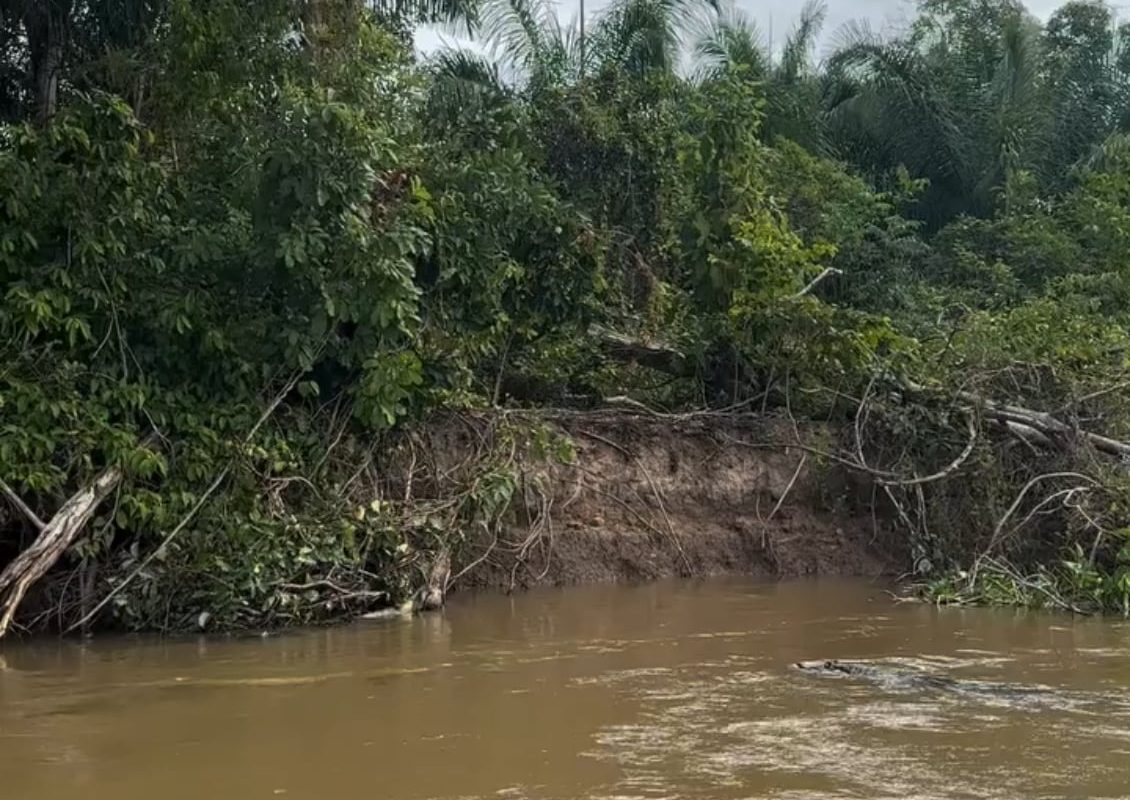
Imagine the scene: a crocodile (or more commonly, its smaller relative, the caiman) basks motionless on a riverbank or floats near the water’s edge, seemingly invincible in its watery realm. In a lightning-fast ambush, a jaguar erupts from the undergrowth, launching itself onto the reptile’s back with explosive force. With a devastating bite to the skull or neck, the jaguar dispatches its armored prey before dragging the massive carcass ashore—or even up a tree—to feast. This is not folklore; it’s a documented phenomenon, particularly in the Brazilian Pantanal, the world’s largest tropical wetland and a jaguar stronghold.
Why Do Jaguars Hunt Crocodilians?
Jaguars are opportunistic carnivores with the strongest bite force relative to body size of any big cat, capable of crushing turtle shells and piercing thick reptile hide. Hunting crocodilians isn’t just about showcasing power—it’s a calculated survival strategy:
- Abundant Prey: In ecosystems like the Pantanal, caimans (spectacled caiman Caiman crocodilus and Yacare caiman Caiman yacare) are incredibly numerous, representing a nutrient-rich food source.
- Reduced Competition: Few predators dare to challenge adult crocodilians, giving jaguars near-exclusive access to this prey.
- Ambush Advantage: Jaguars exploit the reptile’s reliance on aquatic camouflage. When basking or floating near shorelines, crocodilians are vulnerable to surprise attacks from land.
The Jaguar’s Hunting Toolkit: Anatomy of a River Ambush
How does a land-based predator successfully take down an armored aquatic reptile? Jaguars possess extraordinary adaptations:
- Unmatched Stealth: Their rosette-patterned coats provide perfect camouflage in dappled rainforest light. Jaguars stalk silently through dense vegetation, unseen until it’s too late.
- Explosive Power: Muscular hind legs propel jaguars with incredible speed and force for short bursts, essential for ambushing prey from close range.
- The Kill Bite: Jaguars target the skull or spinal column with their immense bite force (up to 1,500 psi), instantly piercing the brain or severing the spinal cord. This precision neutralizes dangerous prey before a struggle ensues.
- Aquatic Prowess: Jaguars are strong, confident swimmers, comfortable pursuing prey into shallow water or dragging kills ashore.
Crocodilian Defense: Why Don’t They Fight Back?
While formidable, crocodilians often fall victim due to the jaguar’s tactical brilliance:
- Element of Surprise: Jaguars attack when the reptile is resting or unaware, preventing a counter-attack.
- Targeting Weak Points: The skull bite exploits a vulnerability even in large reptiles.
- Size Matters: Jaguars primarily target younger or smaller caimans (4-6 feet), though rare attacks on larger individuals (8+ feet) are recorded.
- Terrestrial Disadvantage: Crocodilians are slower and less agile on land, where jaguars initiate their attacks.
Ecological Impact: The Jaguar’s Role in River Ecosystems
This predator-prey relationship has ripple effects across the ecosystem:
- Population Control: Jaguars help regulate caiman populations, preventing overgrazing of fish stocks vital to wetland health.
- Carrion Creation: Leftover kills provide food for scavengers like vultures, crabs, and smaller predators.
- Apex Predator Balance: Jaguars may suppress competitor species like anacondas or large otters by dominating key food resources.
Conservation Significance: Protecting the Jaguar’s Realm
The ability of jaguars to hunt such dangerous prey underscores their vital role as keystone species—their presence maintains biodiversity. Yet, jaguars face critical threats:
- Habitat Loss: Deforestation and wetland drainage fragment territories and reduce prey.
- Human Conflict: Retaliatory killings occur near livestock areas.
- Poaching: Illegal trade in jaguar pelts and body parts persists.
Protecting corridors like the Pantanal and Amazon Basin is essential to ensuring the survival of these cats and the extraordinary ecological dramas they enact.
Suggested SEO Keywords & Phrases:
- Jaguar hunting crocodile
- Jaguar vs caiman attack
- Pantanal jaguar facts
- Apex predator battle
- How do jaguars kill caimans?
- Jaguar bite force
- Jaguar river ambush
- Caiman predation
- Wildlife Brazil Pantanal
- Strongest big cat bite
Internal Linking Opportunities (if applicable to your site):
- “Jaguar Conservation Efforts in South America”
- “The Role of Apex Predators in Healthy Ecosystems”
- “Guide to Wildlife Spotting in the Pantanal”
Call to Action: Witness the power of the jaguar firsthand! Support conservation organizations working to protect these magnificent cats and their wetland habitats. Share this article to spread awareness about nature’s most incredible predator-prey relationships.