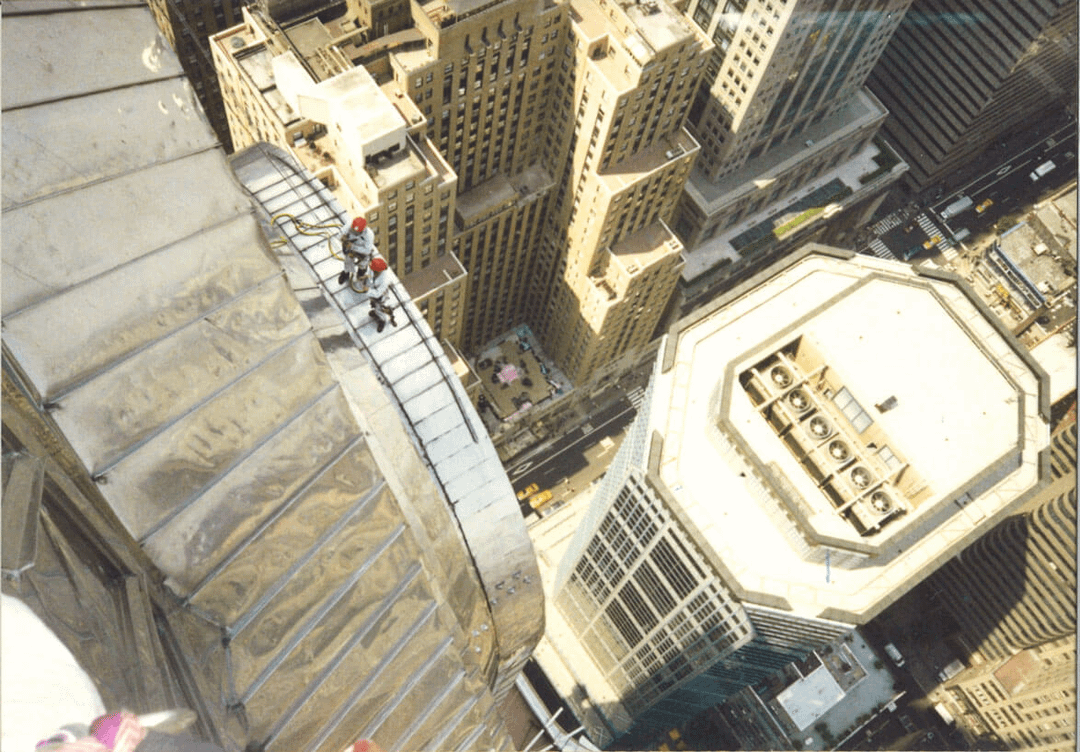
Checking the steel spire of the Chrysler Building for water leaks, New York
Title: Preserving an Icon: How Experts Check the Chrysler Building’s Steel Spire for Water Leaks
Introduction
New York City’s skyline is defined by architectural marvels, and the Chrysler Building stands as a timeless testament to Art Deco brilliance. Completed in 1930, this 1,046-foot skyscraper boasts a distinctive stainless steel spire—a crown jewel that dazzles viewers but faces relentless challenges from the elements. Among these threats, water leaks pose a significant risk to the structural and aesthetic integrity of the spire. In this article, we explore the meticulous process of inspecting the Chrysler Building’s spire for water infiltration, a critical task in preserving this global icon.
Why Water Leaks Threaten the Chrysler Spire
The spire’s steel framework, clad in gleaming Nirosta stainless steel panels, is exposed to New York’s harsh weather year-round. Rain, snow, and humidity can exploit tiny gaps or aging seals, allowing water to seep into the spire’s interior. Left unchecked, leaks can lead to:
- Corrosion: Water accelerates rust in steel supports, compromising strength.
- Interior Damage: Moisture can damage electrical systems, lighting, or structural anchors.
- Aesthetic Degradation: Staining or discoloration tarnishes the spire’s iconic sheen.
Given the building’s landmark status and the spire’s role as a symbol of NYC, proactive leak detection is non-negotiable.
How Engineers Inspect the Spire for Leaks
Inspecting a 400-foot spire perched 77 stories above Manhattan is no small feat. Here’s how specialists approach the task:
1. Visual Inspections via Rope Access
- Industrial Climbers: Certified technicians ascend the spire using ropes and harnesses, examining seams, joints, and panels for cracks, gaps, or corrosion.
- High-Resolution Photography: Close-up images document potential trouble spots, such as deteriorated sealant or pooling water.
2. Drone Technology & Thermal Imaging
- Aerial Drones: Equipped with 4K cameras and LiDAR, drones capture detailed visual data without risking human safety.
- Thermal Sensors: Detect temperature variations caused by moisture intrusion, pinpointing leaks invisible to the naked eye.
3. Ultrasonic Testing
- Sensors measure the thickness of steel components, identifying thinning areas caused by corrosion from lingering moisture.
4. Moisture Meters & Hygrometers
- Non-invasive tools measure humidity levels inside the spire’s cavities, signaling hidden leaks.
The Impact of Neglecting Water Damage
Water damage is often progressive: a minor leak today can spiral into a major repair project tomorrow. For the Chrysler Building’s spire, consequences could include:
- Costly Restoration: Replacing corroded steel or recladding panels requires custom fabrication and months of work.
- Safety Risks: Weakened structural elements could necessitate emergency closures.
- Loss of Historical Integrity: The spire’s original 1930s craftsmanship is irreplaceable; prevention is cheaper than restoration.
Case Study: The 1995 Spire Restoration
During a major renovation in the mid-1990s, inspectors discovered extensive water damage in the spire’s interior, likely from decades of micro-leaks. The project involved:
- Removing 2,000+ stainless steel panels for repair.
- Replacing corroded fasteners and resealing joints with modern polymers.
- Upgrading drainage systems to prevent future pooling.
This $10 million effort underscores the value of routine inspections.
The Future of Spire Preservation
Modern technology is revolutionizing maintenance:
- AI-Powered Monitoring: Sensors embedded in the spire could relay real-time moisture data to engineers.
- Self-Healing Materials: Research into sealants that automatically “fill” micro-cracks could transform leak prevention.
Yet, human expertise remains irreplaceable. As Eric Lee, a historic preservation architect, notes:
“The Chrysler spire isn’t just steel—it’s a sculpture. Inspections demand an artist’s eye and an engineer’s precision.”
Conclusion: Guarding a Legacy
The Chrysler Building’s spire is more than architecture; it’s a beacon of New York’s ambition and artistry. Checking for water leaks isn’t just maintenance—it’s an act of cultural preservation. Through cutting-edge technology and unwavering vigilance, experts ensure this Art Deco masterpiece continues to inspire for generations.
Keywords: Chrysler Building spire, water leak detection NYC, steel spire maintenance, skyscraper preservation, drone inspections NYC, historic building restoration, architectural conservation.
Meta Description: Discover how experts inspect the Chrysler Building’s steel spire for water leaks—a vital process combining drones, AI, and human skill to safeguard this NYC icon from corrosion and damage.