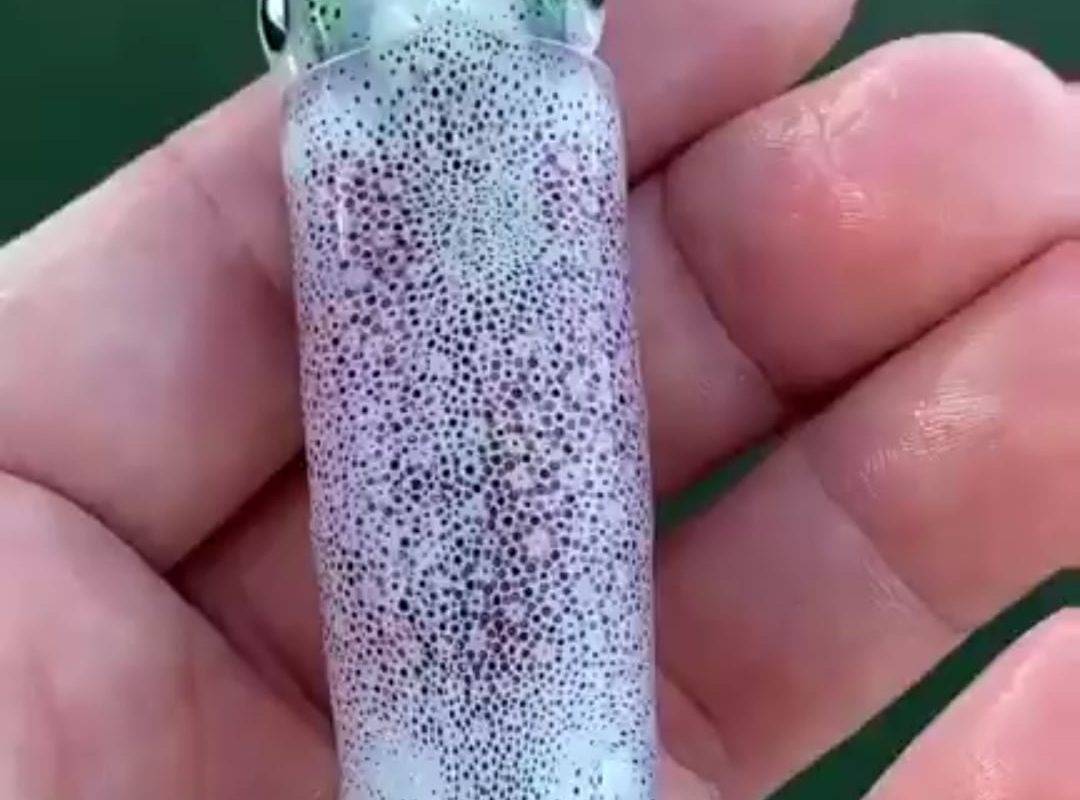
Squid Pigment cells
Title: Unveiling the Secrets of Squid Pigment Cells: Nature’s Masterful Disguise
Meta Description: Explore the marvel of squid pigment cells (chromatophores) and their role in camouflage, communication, and bio-inspired technology. Dive into the science behind nature’s most dynamic color-changing system!
Introduction
Squids are among the ocean’s most enigmatic creatures, famed for their intelligence, agility, and astonishing ability to change color in milliseconds. At the heart of this superpower are squid pigment cells, specialized structures that allow these cephalopods to blend into their surroundings, communicate, and even intimidate predators. In this deep dive, we unravel the science behind these incredible biological systems and their implications for both marine biology and human innovation.
What Are Squid Pigment Cells?
Squid pigment cells, known scientifically as chromatophores, are tiny, elastic sacs filled with pigment that sit beneath the squid’s transparent skin. Each chromatophore contains granules of red, yellow, brown, or black pigment. These cells are connected to muscles controlled directly by the squid’s nervous system, enabling rapid expansion or contraction to display or hide color.
Types of Pigment Cells in Cephalopods:
- Chromatophores: Contain pigment and enable base color changes.
- Iridophores: Reflective cells that produce iridescent blues, greens, and golds via structural coloration.
- Leucophores: Scatter light to create white or silvery hues, enhancing background matching.
Together, these cells create a dynamic palette that allows squids to generate complex patterns in an instant.
How Do Squid Pigment Cells Work?
The secret to squid camouflage lies in the neurologically controlled system of chromatophores:
- Rapid Muscle Activation: When a squid detects a threat or opportunity, its brain sends signals to muscles surrounding the chromatophores.
- Pigment Expansion: The muscles contract, stretching the pigment sac and making the color visible.
- Pattern Generation: By selectively activating thousands of chromatophores across their skin, squids create stripes, spots, or ripples that mimic their environment or convey messages.
This process takes 20–100 milliseconds—faster than the blink of a human eye!
Functions of Squid Pigment Cells
1. Camouflage
Squids use pigment cells to evade predators and ambush prey by:
- Background Matching: Mirroring the colors and textures of rocks, sand, or coral.
- Disruptive Coloration: Creating false outlines to break up their silhouette.
- Counter-Illumination: Mimicking downwelling light to hide from predators below.
2. Communication
Chromatophores help squids “talk” through visual signals:
- Mating displays (e.g., male squids flash zebra stripes to attract females).
- Warning signals to rivals or predators (e.g., pulsating dark bands).
3. Thermoregulation and UV Protection
Darker pigments may shield squids from harmful UV rays, while reflective iridophores could help manage body temperature.
Scientific & Technological Applications
Squid pigment cells are inspiring breakthroughs across industries:
- Adaptive Camouflage: Military researchers are developing materials that mimic chromatophores for next-gen stealth suits.
- Medical Sensors: Harvard scientists created color-changing hydrogels inspired by squid skin to detect chemical leaks or infections.
- Robotics: Soft robots with programmable “skin” could use chromatophore-like systems for environmental interaction.
FAQs About Squid Pigment Cells
Q: Can squids see the colors they produce?
A: Yes! Squids have highly developed vision, allowing them to fine-tune their color displays based on their surroundings.
Q: How are chromatophores different from chameleon cells?
A: Chameleons rely on slow-moving pigment migration, while squids use ultra-fast muscle-controlled chromatophores.
Q: Do all squids have the same camouflage abilities?
A: No—species like the Caribbean Reef Squid excel at complex patterning, while deep-sea squids prioritize bioluminescence.
Conclusion
Squid pigment cells represent one of nature’s most sophisticated biological tools, blending artistry, engineering, and survival strategy. By studying these microscopic wonders, scientists are unlocking potential applications in medicine, materials science, and beyond. Whether you’re a marine biology enthusiast or a tech innovator, the humble chromatophore proves that evolution’s solutions are often as brilliant as they are beautiful.
CTA: Share this article to spread fascination for marine marvels, or dive deeper into the world of cephalopods with our guide to octopus intelligence!
Optimization Notes:
- Primary Keywords: Squid pigment cells, chromatophores, cephalopod camouflage, squid color change.
- Secondary Keywords: Marine animal color cells, chromatophore function, bio-inspired technology.
- Internal Links: Link to related articles on cephalopod behavior or ocean ecosystems.
- External Links: Reference peer-reviewed studies on chromatophore physiology.
- Visuals: Recommend embedding images/microscopy of chromatophores in action and videos of squids camouflaging.
By blending science, wonder, and SEO strategy, this article aims to engage readers while climbing search rankings!