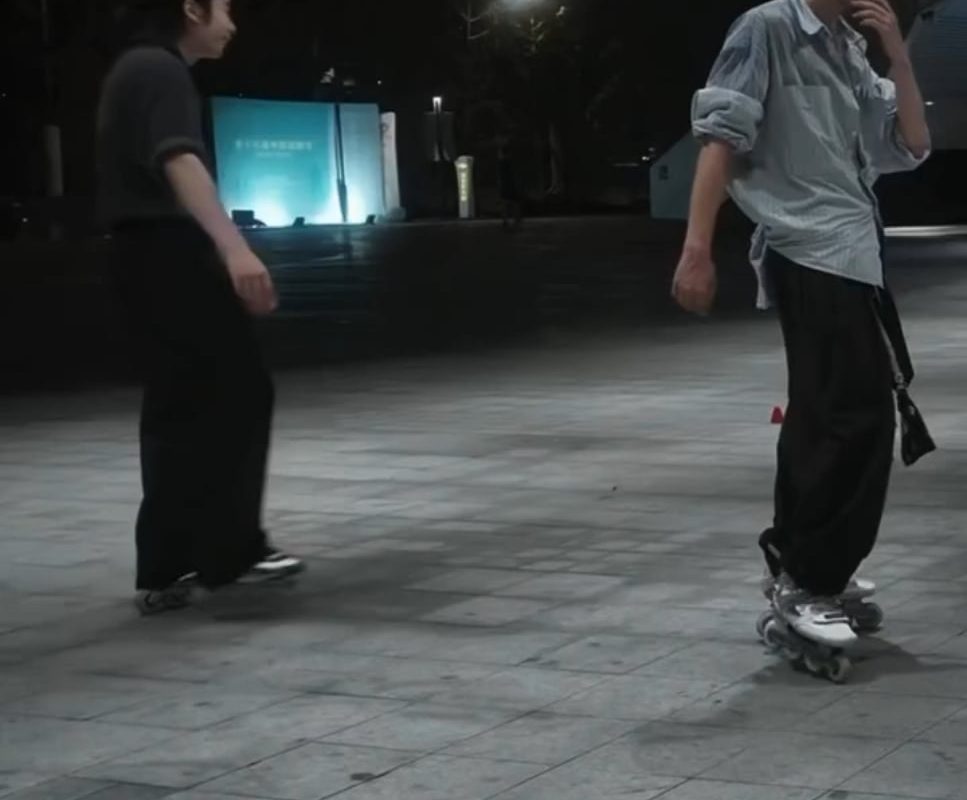
The different skating styles flow over the same line
Title: One Line, Many Styles: How Skaters of All Disciplines Flow Through Shared Urban Landscapes
For skaters, the city isn’t just a backdrop—it’s an endless playground of lines waiting to be carved. Whether you ride a skateboard, inlines, or quad skates, the magic of urban skating lies in how different styles can transform the same stretch of pavement, stair set, or plaza into a canvas for unique creativity. From the smooth glides of freestyle slalom to the gravity-defying drops of park skaters, every discipline breathes new life into familiar terrain.
In this deep dive, we’ll explore how skaters from diverse backgrounds approach the same “line”—a path or route through an urban space—and reimagine it through their own stylistic lens.
What is a “Line” in Skating?
A “line” refers to a sequence of obstacles, transitions, or features skaters connect fluidly in one run. Think of it as a choreographed journey through stairs, rails, ledges, banks, or open pavement. A single line might include:
- A downhill slope into a sharp turn
- A set of stairs with a handrail
- A smooth plaza dotted with concrete benches
- A curved bowl or ramp
What makes lines fascinating isn’t just their physicality, but how differently they’re interpreted based on a skater’s style, equipment, and goals.
How Different Skating Styles Attack the Same Line
1. Urban/Freestyle Skating (Inline & Quads)
- Focus: Flow, footwork, and technical precision.
- Line Approach: Freestylers treat lines like a dance floor, emphasizing rhythm and creativity. A staircase becomes a stage for spins, jumps (like the classic “acid drop”), or slalom-style weaving around cracks and obstacles. Ledges aren’t just for grinding—they’re opportunities for manuals, pivots, or fluid transitions between surfaces.
- Key Moves: Crossovers, gazelles, heel-toe spins, and power slides for control.
2. Street Skateboarding
- Focus: Technical tricks, grinds, and ollies.
- Line Approach: Skateboarders see lines as a series of “spots” to conquer. A bench isn’t just a bench—it’s a ledge for boardslides; a rail becomes a challenge for 50-50 grinds. Stairs are launchpads for flip tricks or gaps. Their flow is punctuated by explosive tricks while maintaining momentum between features.
- Key Moves: Kickflips, grinds, ollies, and nose manuals.
3. Park/Vert Skating
- Focus: Air, speed, and transitions.
- Line Approach: Park skaters thrive on curves and transitions. A line in a skatepark bowl might involve pumping through corners to gain speed, launching into aerial tricks (like McTwists or airs), and linking coping grinds. Even in urban settings, they’ll seek out curved banks or DIY ramps to replicate that vert feeling.
- Key Moves: Carves, lip tricks, aerials, and pumps.
4. Downhill/Longboarding
- Focus: Speed, stability, and carving.
- Line Approach: Downhill skaters prioritize the “flow” of descending. A winding road or hill becomes a test of control, with deep carves and slide turns to manage speed. They’ll use the same line a street skater does—but rather than stopping for tricks, they’ll integrate it into a high-speed descent.
- Key Moves: Coleman slides, deep carves, tucks.
5. Artistic/Roller Dance
- Focus: Elegance, musicality, and expression.
- Line Approach: To a roller dancer, flat pavement transforms into a stage. Lines are less about obstacles and more about interpreting space through movement—spins in a plaza, rhythmic strides down a promenade, or intricate patterns around benches. Every surface is an invitation to create beauty.
- Key Moves: Spread eagles, heel spins, chaîné turns.
The Beauty of Shared Lines: Why Diversity Matters
When multiple disciplines converge on the same urban line, the result is a celebration of skating’s versatility:
- Creativity Multiplies: A rail isn’t just ground—it’s a balance beam for freestylers, a slide for skateboarders, and a pivot point for roller dancers.
- Community Grows: Watching others reinterpret familiar lines fosters respect and inspiration. A downhill skater’s flow might teach a park rider about momentum; a roller dancer’s grace might remind a street skater to slow down and experiment.
- Urban Spaces Evolve: Cities and skateparks benefit when lines serve multiple purposes. A well-designed plaza with smooth concrete, varied elevations, and obstacles becomes a magnet for all skaters.
Tips for Skating Shared Lines Safely
- Awareness is Key: Always scan for others using the same line—yield to those already committed to a trick or descent.
- Respect the Style Differences: A downhill skater needs space for speed; a freestyler might need room for spins. Communicate!
- Adapt Your Gear: Harder wheels for slides, softer wheels for rough pavement—equipment tweaks maximize your line’s potential.
Conclusion: The Line That Connects Us
No matter your wheels or discipline, the essence of skating remains the same: transforming ordinary spaces into extraordinary experiences. By embracing how different styles flow over the same line, we celebrate the boundless creativity at the heart of skate culture. So next time you hit your favorite spot, take a moment to reimagine it through someone else’s wheels—you might discover a new way to ride.
Skate on, and keep the flow alive. 🛹⛸️