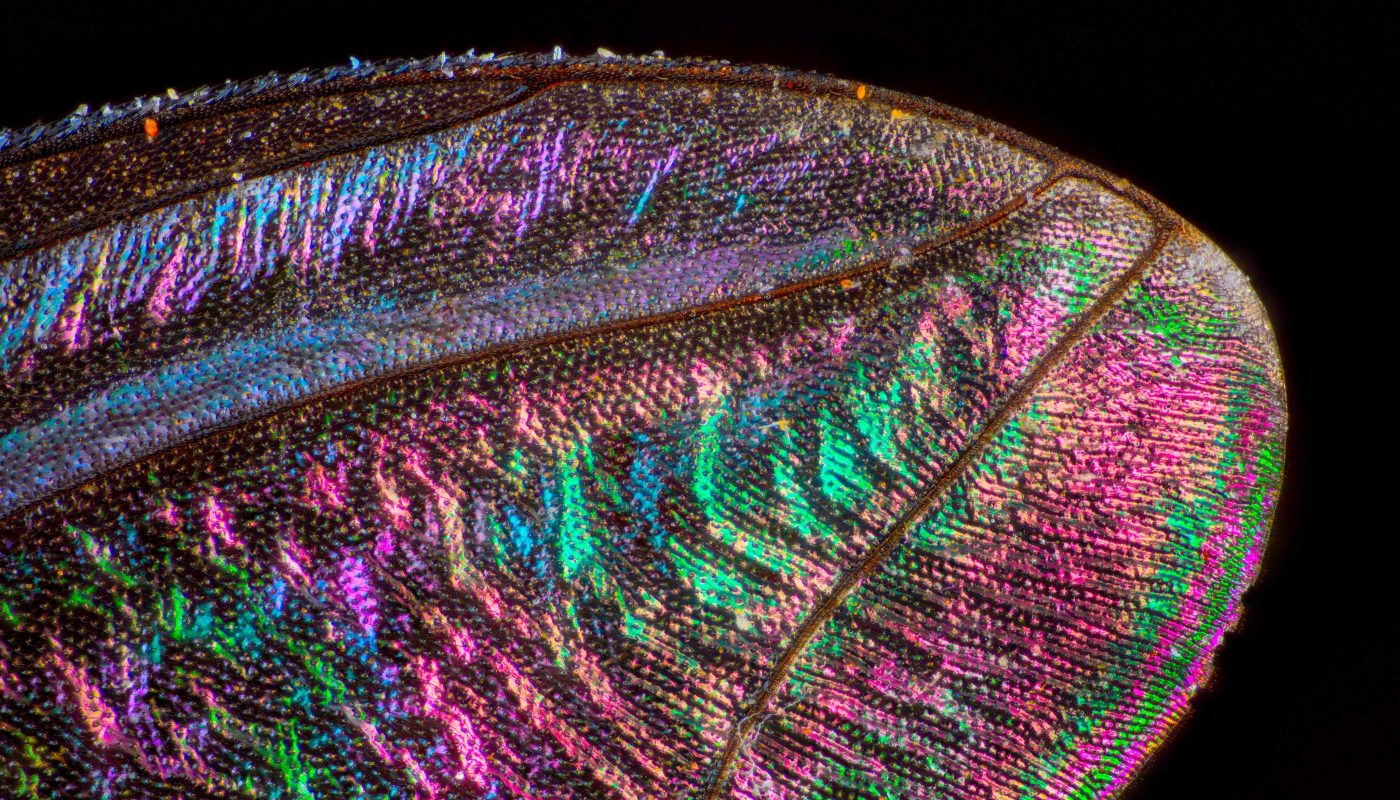
The wing of a fly
The Wing of a Fly: Structure, Function, and Nature’s Biomimicry Blueprint
When we think about flies, we often picture buzzing pests to swat away—but their wings are marvels of evolution. A fly’s wing is not just a tool for flight; it’s a high-performance structure refined over 250 million years. In this article, we unpack the science behind fly wings, their aerodynamics, and the engineering inspiration humans draw from them.
Fly Wing Structure and Composition
Fly wings are transparent, membranous structures supported by a network of rigid veins (made of chitin, the same material in insect exoskeletons). These veins form a complex lattice that provides strength while minimizing weight. Unlike birds or bats, flies belong to the order Diptera (meaning “two wings”), possessing only one pair of functional forewings. Their hindwings have evolved into tiny, drumstick-like organs called halteres, which act as gyroscopes for mid-air stability.
Key features:
- Size and Shape: Most fly wings span 2–10 mm, with a surface area optimized for rapid movement.
- Vein Patterns: Unique vein arrangements help scientists identify fly species.
- Superhydrophobic Surface: Microscopic wax-coated ridges repel water and prevent drowning.
How Fly Wings Enable Incredible Flight Mechanics
Flies can hover, dart backward, and change direction in milliseconds—thanks to their wings beating 200–300 times per second. Here’s how they do it:
- Muscle Power: Flight muscles attach directly to the thorax (not the wing base), creating a “click mechanism” for hyper-speed contractions.
- Halteres: These sensory organs detect body rotation mid-flight, helping flies maintain balance during sharp maneuvers.
- Wing Rotation: At the end of each stroke, flies twist their wings to generate lift on both the upstroke and downstroke.
This biomechanical efficiency lets houseflies reach speeds of 4–5 mph and execute evasive aerial acrobatics.
Aerodynamics: The Secret to Efficiency
Fly wings exploit unsteady aerodynamics—a principle where airflow remains attached to the wing even during rapid changes in direction. This allows flies to:
- Generate vortices (mini tornadoes) at the wing’s edge for extra lift.
- Use “clap-and-fling” motion, where wings clap together and peel apart to suck air into the gap, boosting thrust.
Researchers at Harvard modeled fruit fly wings in a wind tunnel, revealing these mechanics could inspire micro-drones that fly in windy conditions.
Beyond Flight: Adaptive Advantages
- Self-Cleaning: Water droplets roll off wings, carrying dirt and bacteria (a property called the “lotus effect”).
- Temperature Regulation: Dark vein patterns may absorb heat in cooler environments.
- Mating & Communication: Some species (like fruit flies) use wing vibrations to produce courtship songs.
Human Applications: Learning from Fly Wings
Fly wings inspire breakthroughs in materials science and robotics:
- Micro-Air Vehicles (MAVS): Engineers copy wing flexibility and vein patterns to design agile, crash-resistant drones.
- Water-Repellent Coatings: Mimicking wing nanostructures could create self-cleaning solar panels or medical devices.
- Wind Turbine Design: Studying wing vortices improves energy efficiency.
FAQs About Fly Wings
Q: Do all flies have two wings?
Yes! All Diptera flies (e.g., houseflies, mosquitoes) use one pair for flight, while beetles or bees have four.
Q: How long do fly wings last?
Wings are durable but can fray with age. Most adult flies live 15–30 days, and damaged wings impair flight.
Q: Why don’t flies get tired?
Their asynchronous muscles use less energy per stroke, allowing endurance flights but limited stamina.
Final Thoughts
The wing of a fly is a masterpiece of biological engineering—lightweight, multifunctional, and exquisitely adapted. By studying its design, scientists unlock secrets for robotics, aviation, and sustainable tech. Next time a fly evades your swatter, remember: you’re witnessing millions of years of evolutionary genius in action!
Meta Description: Discover how the wing of a fly enables incredible flight, self-cleaning, and biomimetic tech. Learn about its structure, aerodynamics, and real-world applications.
Keywords: fly wing structure, insect aerodynamics, halteres, Diptera flight mechanics, biomimicry, micro-drones, superhydrophobic wings.
Image suggestions: Labeled diagram of fly wing veins, high-speed photo of wing motion, microscopic view of hydrophobic wing surface.