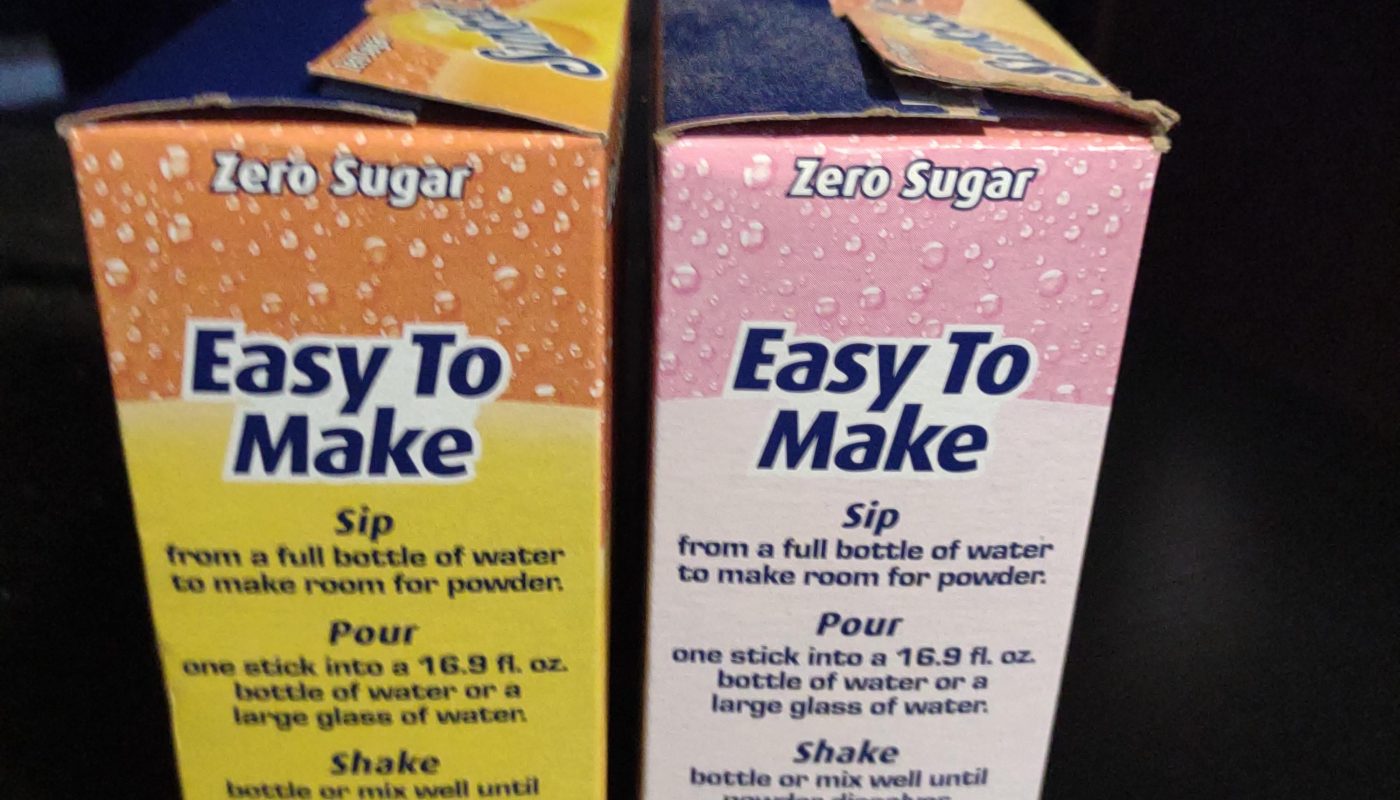
The one on the right has been sun bleached from sitting on a shelf next to the window in our kitchen for months, you'd almost think it was meant to be pink
Title: Why Your Box Fades in the Sun: Understanding Color Degradation and How to Prevent It
Meta Description: Discover why boxes left in sunlight lose color vibrancy, the science behind UV damage, and how to protect your packaging from fading. Learn about materials, prevention tips, and real-life examples.
Why Does Your Box Change Color in the Sun?
Have you ever compared a freshly opened box to one that’s been sitting near a sunny window for months? The difference is stark: the sun-exposed box often appears duller, washed out, or even yellowed. This phenomenon isn’t just cosmetic—it’s a sign of photodegradation, a chemical process triggered by sunlight. In this article, we’ll break down why boxes fade, how materials react, and ways to preserve their original colors.
The Science of Sunlight-Induced Fading
When packaging materials (like cardboard, paper, or plastics) are exposed to ultraviolet (UV) light, the energy from sunlight breaks down the chemical bonds in dyes, pigments, and even the base material itself. Here’s what happens:
-
UV Radiation Attacks Pigments:
- Dyes and inks are made of organic molecules that absorb light. UV rays destabilize these molecules, causing colors to fade or shift (e.g., bright blues turning grayish, vibrant reds becoming pink).
-
Oxidation:
- Sunlight accelerates oxidation, a reaction between materials and oxygen. This leads to yellowing, especially in white or light-colored boxes made of lignin-rich paper (common in cheaper cardboard).
-
Material Breakdown:
- Plastics / Laminates: UV weakens polymers, causing brittleness and discoloration.
- Paper/Cardboard: Sunlight dries out fibers, making them brittle and prone to color loss.
Side-by-Side Comparison: New Box vs. Sun-Exposed Box
| Aspect | New Box | Sun-Exposed Box |
|---|---|---|
| Color Vibrancy | Bright, true-to-design hues | Faded, muted, or yellowed tones |
| Material Integrity | Firm, smooth surface | Brittle, dusty, or cracked texture |
| Common Use Cases | Retail displays, unopened storage | Long-term storage near windows |
Example: A cereal box left on a kitchen windowsill for 6 months may look pale compared to a new one, with its reds turning orange and whites becoming cream.
Why Do Some Boxes Fade Faster Than Others?
Not all packaging degrades at the same rate. Key factors include:
- Material Quality:
- Premium Inks/UV Coatings: Resist fading longer than standard dyes.
- Acid-Free Paper: Slows yellowing compared to lignin-heavy cardboard (often used in shipping boxes).
- Dye Stability:
- Reds and blues fade quicker than blacks or darker tones due to their light-absorbing properties.
- Exposure Time & Climate:
- Direct sunlight (especially in hot, dry climates) accelerates damage. Indirect light still causes gradual fading.
How to Protect Boxes from Sun Damage
Preserve your packaging’s appearance with these tips:
- Avoid Direct Sunlight: Store boxes in dark, climate-controlled areas like closets or UV-filtered display cases.
- Use UV-Blocking Glass/Plastic: For collectibles or displays, opt for acrylic covers with UV protection.
- Choose Fade-Resistant Materials: If designing packaging, specify archival-quality inks, coatings, or lignin-free paper.
- Rotate Displays: Move items away from windows periodically to limit cumulative exposure.
Real-World Impact of Box Fading
- Collectibles: Action figures, vinyl records, or vintage toys lose resale value if boxes fade.
- Retail: Sun-damaged stock looks “old,” reducing customer trust.
- Archival Storage: Photos or documents stored in sunny areas risk irreversible damage.
Conclusion
The difference between a new box and a sun-exposed one isn’t just about aesthetics—it’s a sign of material breakdown caused by UV radiation. By understanding how sunlight degrades colors and taking simple preventative steps, you can extend the lifespan of packaging and protect valuable items. Whether you’re a collector, retailer, or homeowner, shielding boxes from direct sunlight is key to maintaining their original appeal.
Keywords for SEO: Box fading sunlight, UV damage packaging, prevent box discoloration, color difference boxes, sun-exposed box vs new, photodegradation cardboard, protect boxes from UV, archival storage tips, why boxes fade, preserving packaging colors.
Want to see visual examples? Embed before/after images of sun-damaged boxes vs. new ones to highlight the contrast!