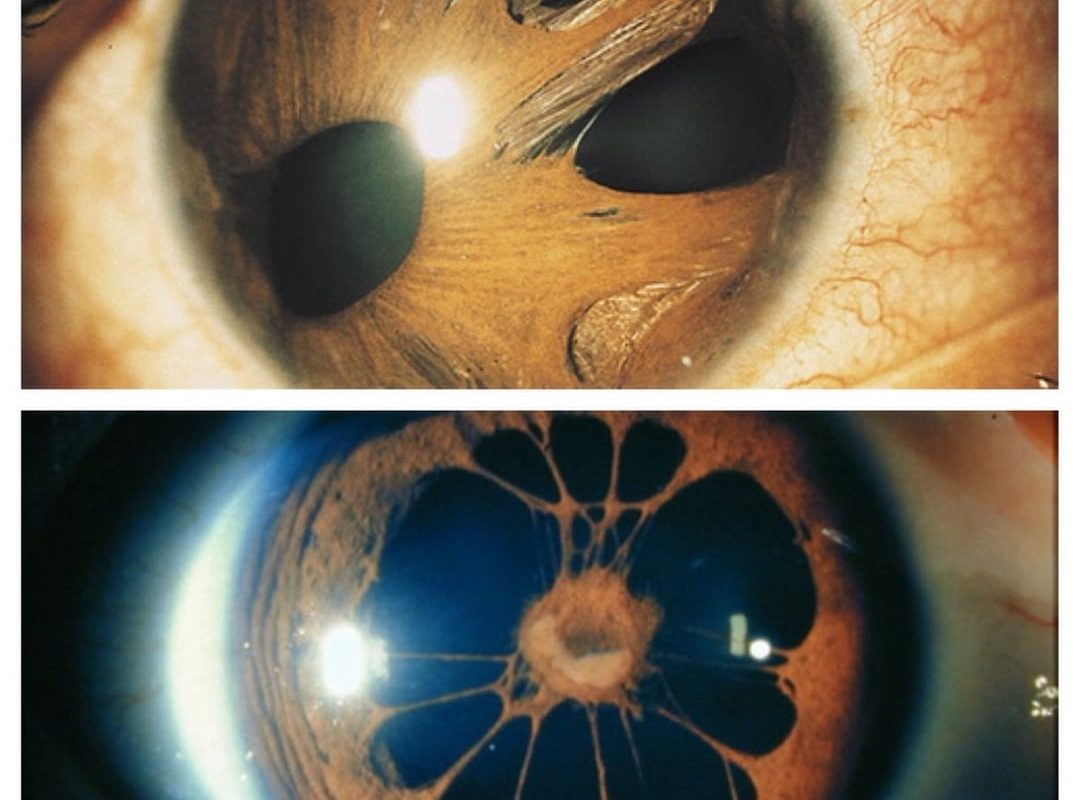
Eyes with Polycoria, an extremely rare eye condition.
Eyes with Polycoria: Unraveling the Mystery of Multiple Pupils
What Is Polycoria?
Polycoria is a rare congenital eye condition characterized by the presence of two or more pupils within a single iris. Unlike other pupil irregularities, true polycoria involves fully formed, functional pupils—each with its own sphincter muscle controlling dilation and constriction. This anomaly, affecting just 1 in millions, challenges our understanding of eye development and visual function.
Types of Polycoria
-
True Polycoria:
- Each pupil operates independently, adjusting to light via separate sphincter muscles.
- Often congenital (present at birth) due to embryonic developmental errors.
-
Pseudopolycoria:
- Pupil-like holes appear in the iris, but they lack sphincter muscles.
- Caused by trauma, surgery complications, or diseases like Axenfeld-Rieger syndrome.
Causes & Risk Factors
- Genetic Mutations: Linked to defects in PAX6 or FOXC1 genes, critical for eye development.
- Prenatal Exposure: Infections, toxins, or drug use during pregnancy may disrupt iris formation.
- Trauma/Surgery: Penetrating injuries or cataract surgery can damage iris structure.
- Syndromes: Associated with Axenfeld-Rieger, Peters anomaly, or iridocorneal endothelial (ICE) syndrome.
Symptoms & Complications
While some cases are asymptomatic, others may experience:
- Light Sensitivity (Photophobia): Excessive light entry causes discomfort.
- Blurred or Double Vision: Misaligned pupils disrupt focus.
- Cosmetic Concerns: Visible differences may affect self-esteem.
- Glaucoma Risk: Poor fluid drainage increases intraocular pressure (20–30% of cases).
Diagnosing Polycoria
Ophthalmologists use:
- Slit Lamp Exam: Magnifies iris structure to identify true vs. pseudopolycoria.
- Pupillary Light Reflex Test: Checks if multiple pupils react independently.
- Tonometry: Measures eye pressure to detect glaucoma.
- Genetic Testing: For syndromic cases.
Treatment Options
1. Conservative Management
- Tinted Glasses: Reduce light sensitivity.
- Corrective Lenses: Address refractive errors.
2. Surgical Intervention
- Iridoplasty: Reshapes the iris to improve aesthetics/function.
- Pupilloplasty: Combines multiple pupils into one opening.
- Glaucoma Surgery: Implants or laser therapy to manage pressure.
Note: Surgery carries risks of infection, vision loss, or worsening symptoms.
Living with Polycoria
- Regular Check-ups: Monitor for glaucoma or vision changes.
- Low Vision Aids: Magnifiers or screen readers for severe cases.
- Support Communities: Connect with rare disease groups for emotional support.
FAQs
1. Can polycoria cause blindness?
Untreated glaucoma or severe vision impairment is rare but possible.
2. Is polycoria hereditary?
Familial cases exist but most occurrences are sporadic.
3. Can contact lenses hide polycoria?
Prosthetic lenses can mask cosmetic irregularities.
Key Takeaways
- Polycoria is among the rarest eye disorders, often linked to genetic or developmental issues.
- Surgical correction isn’t always necessary unless vision or quality of life is impacted.
- Early diagnosis prevents complications like glaucoma.
If you suspect polycoria, consult an ophthalmologist specializing in congenital eye disorders.
Meta Description: Discover the rare world of eyes with polycoria—multiple pupils in one iris. Learn causes, symptoms, treatments, and how this anomaly impacts vision.
Keywords: polycoria eyes, multiple pupils, rare eye conditions, congenital eye disorders, polycoria treatment, true polycoria, pseudopolycoria, pupillary defects.
For informational purposes only. Consult a healthcare professional for medical advice.