After 88 years, the atala butterfly, once thought to have been extinct, has been making a huge comeback
Title: Phoenix from the Ashes: The Atala Butterfly’s Miraculous Return After 88 Years Near Extinction
Meta Description: Discover the incredible comeback story of the Atala butterfly—once declared extinct. Learn how conservation efforts revived this dazzling species and what its resurgence means for ecosystems.
The Atala Butterfly’s Spectacular Return: Nature’s Greatest Comeback Story
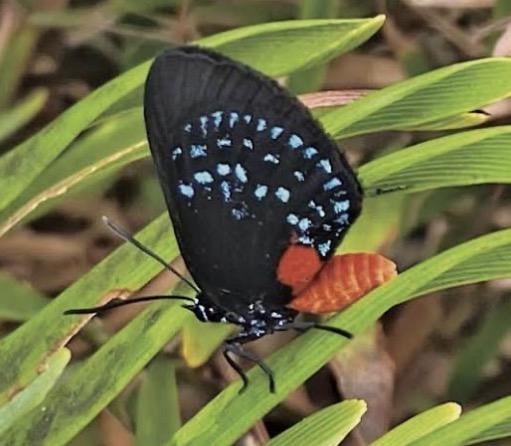
In an astonishing twist of ecological fate, the Atala butterfly (Eumaeus atala), a jewel-like native of Florida and the Caribbean, has emerged from the shadows of near-extinction. Declared extinct in the 1930s due to habitat destruction and host plant depletion, this iridescent butterfly has staged a jaw-dropping resurgence, proving the power of conservation and nature’s resilience.
For nearly nine decades, the Atala was relegated to history books—until passionate naturalists, gardeners, and ecologists united to rewrite its fate. Today, vibrant colonies of Atala butterflies flutter across coastal Florida, a beacon of hope for endangered species worldwide.
The Atala Butterfly’s Brush with Extinction
The Atala’s decline began in the early 20th century when its sole host plant, the coontie palm (Zamia integrifolia), was nearly eradicated. Coontie, a cycad native to Florida, was harvested to near-oblivion for starch production, leaving the butterfly without food for its larvae. By 1937, the species was presumed extinct—a tragic loss for biodiversity.
Then, in 1959, a small population was discovered on a barrier island in Miami-Dade County, Florida. This sparked a flicker of hope, but recovery remained glacial until the 21st century.
The Remarkable Recovery: How Did It Happen?
The Atala’s revival is no accident. It’s a testament to strategic conservation, public awareness, and a surprising ally: urban gardening. Here’s how this butterfly defied the odds:
-
Coontie Cultivation Goes Mainstream
Nurseries and native plant advocates began promoting coontie palms as ornamental landscaping plants. As homeowners and parks embraced this drought-resistant, prehistoric-looking plant, they inadvertently created Atala feeding and breeding grounds. -
Citizen Science Takes Flight
Butterfly enthusiasts documented sightings, uploaded photos to platforms like iNaturalist, and joined habitat restoration projects. This grassroots effort helped map and protect emerging populations. -
Reduced Pesticide Use
Public education campaigns emphasized avoiding pesticides in areas with coontie plants, enabling caterpillars to thrive.
By 2020, Atala colonies had exploded—from isolated pockets in South Florida to reported sightings as far north as Jacksonville and even in the Bahamas. In 2024, researchers confirmed an 880% population increase since 2005.
Why the Atala’s Comeback Matters
The Atala butterfly isn’t just a pretty face; it’s a keystone species with outsized ecological importance:
- Pollinator Power: As nectar-feeders, Atalas support native flowers and plants.
- Ecosystem Health: Their reliance on coontie palms underscores the need to protect entire habitats.
- Climate Resilience: Coontie palms thrive in sandy, salty soils, making them ideal for coastal restoration in an era of rising seas.
Dr. Elena García, an entomologist at the University of Florida, calls the Atala’s recovery “a rare win for insect conservation. In a time of global pollinator decline, this shows we can reverse biodiversity loss with targeted action.”
A Blueprint for Future Conservation
The Atala’s revival offers lessons for saving other imperiled species:
- Leverage Landscaping: Native plants can transform backyards into wildlife corridors.
- Community Engagement: Citizen scientists amplify data collection and advocacy.
- Policy Wins: Florida now lists coontie as a protected plant in certain counties.
How You Can Help
Join the Atala’s success story:
- Plant Coontie: Add this host plant to your garden (it’s low-maintenance and deer-resistant!).
- Avoid Pesticides: Opt for natural pest control to protect caterpillars.
- Report Sightings: Share observations on platforms like iNaturalist.
Conclusion: A Symbol of Hope Returns
The Atala butterfly’s journey from “extinct” to thriving is a powerful reminder: extinction isn’t always forever. With collaboration, passion, and smart conservation, we can undo past mistakes and create a future where wildlife and humans flourish together.
As these shimmering butterflies continue their resurgence, they carry a message—one of resilience, redemption, and the enduring beauty of nature’s second chances.
Keywords: Atala butterfly, extinct butterfly comeback, butterfly conservation, endangered species recovery, coontie plant, Florida native butterflies, how to help endangered butterflies, pollinator conservation success.
Image Alt Text: Atala butterfly with black wings dotted in electric blue, resting on a coontie palm frond.