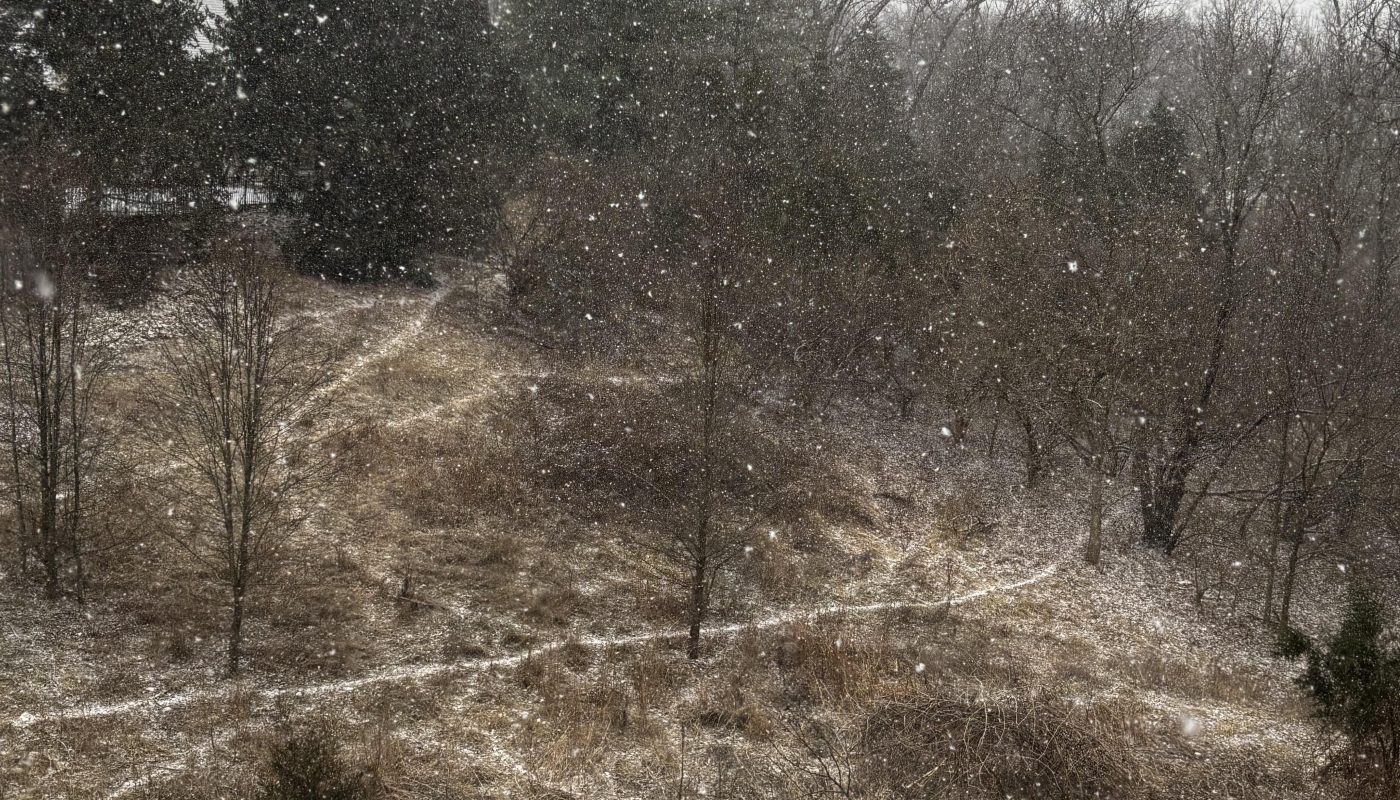
Snow reveals animal paths in my backyard!
Title: Snow Reveals Animal Paths in My Backyard—A Hidden Wildlife Diary!
Meta Description: Discover the secret world of wildlife in your backyard! Learn how snow transforms your garden into a storybook of animal tracks, habits, and behaviors. Get tips for identifying tracks and supporting local creatures.
Introduction: Snow as Nature’s Canvas
Fresh snowfall isn’t just a winter wonder—it’s an invitation to uncover the hidden lives of backyard wildlife! When temperatures drop and snow blankets the ground, elusive animals leave behind tracks, trails, and clues that reveal their daily routines. Even a small suburban yard can become a hub of nocturnal activity, and snow acts like a temporary diary recording wildlife comings and goings. Here’s how to decode the stories written in white.
Why Snow Is a Wildlife Detective’s Best Friend
Snow has a unique superpower: it highlights animal activity that’s invisible in other seasons. Unlike mud or dirt, snow preserves tracks in crisp detail, making it easy to spot:
- Footprints: Size, depth, and spacing tell you what animal passed through.
- Trails: Repeated paths suggest daily “commutes” between food, water, and shelter.
- Behavior Clues: Scattered seeds or disturbed snow reveal foraging habits.
Common Backyard Animal Tracks to Identify
Here’s how to recognize frequent visitors:
-
Squirrels
- Tracks: Paired small paw prints with long hind footprints.
- Trail: Zig-zagging paths between trees and bird feeders.
-
Rabbits
- Tracks: Large hind feet in front of smaller front paws (like a “Y”).
- Trail: Hopping trails to shrubs or garden edges.
-
Deer
- Tracks: Heart-shaped hoof prints, 2–3 inches long.
- Trail: Straight-line treads between wooded areas and food sources.
-
Birds
- Tracks: Tiny three-toed prints with thin lines (wings or tail drag marks).
- Trail: Clustered near feeders or berry bushes.
-
Foxes or Coyotes
- Tracks: Dog-like prints in a straight line; claw marks visible.
- Trail:: Stealthy, purposeful trails along fences or property edges.
Pro Tip: Keep a wildlife journal or use an app like iNaturalist to snap photos and compare tracks in real-time!
What Animal Paths Tell Us About Backyard Ecosystems
Those snowy trails aren’t random—they map a backyard food web! Patterns in the snow can reveal:
- Food Sources: Tracks leading to birdseed, compost piles, or fallen fruit.
- Shelter Routes: Deer heading toward dense shrubs or rabbits darting under sheds.
- Predator-Prey Drama: Fox tracks circling a rabbit trail signal the circle of life in action.
The more varied the tracks, the healthier your backyard habitat!
How to Support Wildlife Visiting Your Yard
Turn your space into a safe haven for winter wildlife with these steps:
- Leave Wild Corners: Avoid over-tidying brush piles or tall grass—they’re vital shelter.
- Provide Food & Water: Use bird feeders, heated birdbaths, or native plants with berries.
- Avoid Disturbance: Observe quietly from a window—animals flee loud noises.
Safety Tips for Tracking in the Snow
- Avoid Dawn/Dusk: Predators like coyotes are most active during these times.
- Don’t Follow Tracks Too Far: Stay close to home to avoid disturbing dens.
- Never Feed Dangerous Animals: Discourage bears or aggressive animals with secure trash cans.
Capture the Magic: Documenting Your Findings
- Photograph Tracks: Use a ruler or coin for scale.
- Sketch Trails: Note direction and patterns.
- Involve Kids: Turn tracking into a snowy scavenger hunt!
Conclusion: A Snowy Window into Nature’s Secrets
Snow doesn’t just transform your backyard—it reveals its wild heart! By learning to read the tracks left behind, you’ll gain a deeper appreciation for the creatures sharing your space. So grab a camera, a notebook, and a warm drink, and let the snow tell you its stories this winter!
FAQ Section
Q: Can I attract more animals to my backyard in winter?
A: Yes! Add native evergreen plants, suet feeders, and a fresh water source.
Q: Are rabbit tracks different from squirrel tracks?
A: Absolutely—rabbits leave staggered pairs of large/small prints, while squirrels show clustered paw marks.
Q: Should I worry about predators like foxes?
A: Foxes rarely threaten humans but supervise small pets at dawn/dusk when wildlife is most active.
Target Keywords:
- animal tracks in snow
- backyard wildlife in winter
- identifying animal footprints
- snow reveals animal paths
- winter wildlife habits
By understanding the clues in the snow, you’ll unlock a hidden world of backyard drama—no hiking boots required! ❄️🦌