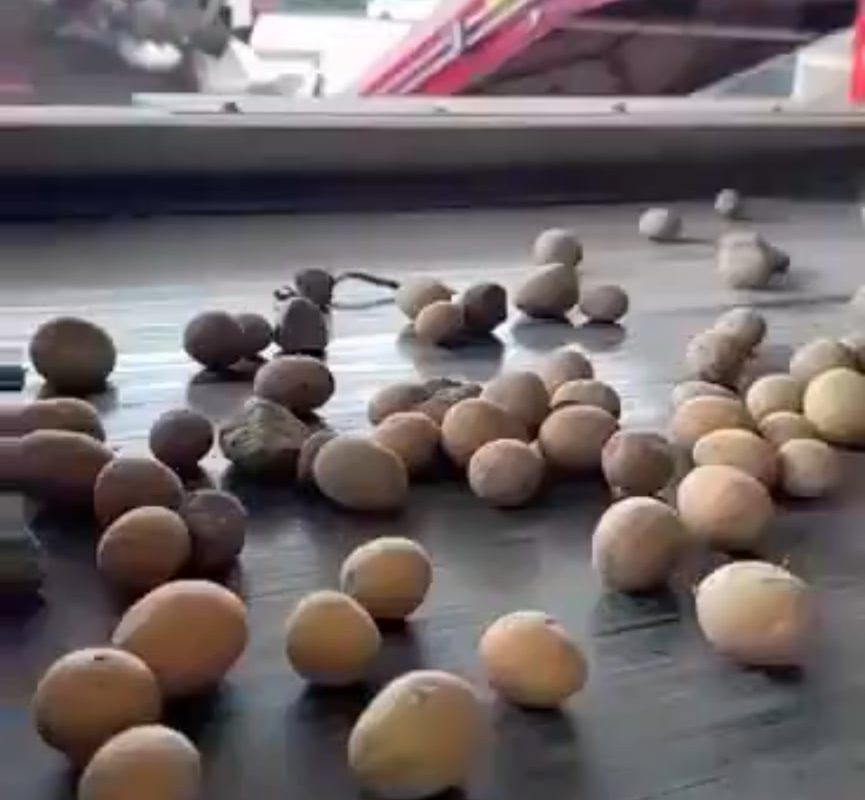
Separating harvested potatoes from stones
Title: Efficient Methods for Separating Harvested Potatoes from Stones: A Complete Guide
Introduction
Potatoes are a staple crop worldwide, but harvesting them often comes with an unexpected challenge: separating the tubers from stones, rocks, and soil debris. Stones can damage potatoes during harvest, reduce processing efficiency, and even harm machinery downstream. Whether you’re a small-scale farmer or managing a commercial operation, mastering the art of stone separation is essential for maximizing yield and quality. In this guide, we’ll explore practical, cost-effective techniques to remove stones from harvested potatoes and ensure a cleaner, market-ready product.
Why Stone Separation Matters
Stones and rocks inadvertently mixed with potatoes during harvesting can cause significant issues:
- Damage to Potatoes: Bruising or cutting potatoes, reducing their market value.
- Machinery Wear: Abrasive stones accelerate wear on processing equipment like graders, peelers, and packers.
- Food Safety Risks: Contaminants can compromise quality and compliance with food safety standards.
Investing time in effective stone separation protects your profits and reputation.
Methods for Separating Stones from Potatoes
Below are the most widely used techniques, from traditional manual methods to advanced mechanical solutions.
1. Manual Sorting
- How it Works: Workers visually inspect and remove stones, clods, or debris from a conveyor belt or sorting table.
- Pros: Low cost (for small batches), no machinery needed.
- Cons: Labor-intensive, time-consuming, and prone to human error.
- Best For: Small farms or final quality checks after mechanized separation.
2. Mechanical Graders and Stone Rollers
- How it Works: Graders use rotating rollers or mesh belts that allow potatoes to pass through while diverting larger stones. Adjustable gaps between rollers separate stones based on size differentials.
- Pros: Efficient for large volumes; minimal manual labor.
- Cons: Stones similar in size to potatoes may slip through.
3. Water Flotation Systems
- How it Works: Potatoes and stones are submerged in water. Since potatoes float (due to lower density), stones sink. A conveyor system then skims off the floating tubers.
- Pros: High accuracy, gentle on produce.
- Cons: Requires water supply and drying infrastructure; not ideal for water-scarce regions.
4. Gravity Separators (Vibrating Tables)
- How it Works: Vibrating tables use airflow and oscillations to stratify materials by density. Lighter potatoes rise to the top, while stones settle at the bottom for removal.
- Pros: Handles mixed debris (soil, clods, stones); energy-efficient.
- Cons: Requires calibration for different potato sizes.
5. Optical Sorting Technology
- How it Works: Advanced camera-based systems identify stones using AI-driven color, shape, and texture recognition. Air jets or robotic arms eject contaminants.
- Pros: Extremely precise; ideal for high-value processing facilities.
- Cons: Expensive setup and maintenance.
Practical Tips for Efficient Separation
- Pre-Harvest Prevention: Clear fields of large stones before planting using stone pickers or rakes.
- Optimal Harvest Timing: Harvest when soil is dry to minimize sticky clay or mud that clings to stones.
- Combine Methods: Use mechanical graders first, followed by manual checks for higher accuracy.
- Regular Maintenance: Clean separation equipment daily to prevent blockages and ensure longevity.
Choosing the Right Method for Your Farm
- Small Farms: Manual sorting + simple roller graders.
- Mid-Scale Operations: Gravity separators or water flotation systems.
- Large Commercial Farms: Optical sorters integrated into automated processing lines.
Conclusion
Separating stones from harvested potatoes may seem like a tedious task, but modern techniques make it easier than ever to protect your crop quality and boost efficiency. Whether you rely on manual labor or cutting-edge technology, prioritizing stone removal reduces waste and enhances the value of your yield. Assess your resources, scale, and budget—then implement a system that keeps your spuds stone-free from field to fork.
Keywords for SEO: potato harvesting, stone separation, potato cleaning, farm machinery, gravity separator, optical sorting, crop processing, potato quality control, harvesting equipment.
By structuring your process with these methods, you’ll streamline operations and deliver pristine potatoes ready for market or storage!