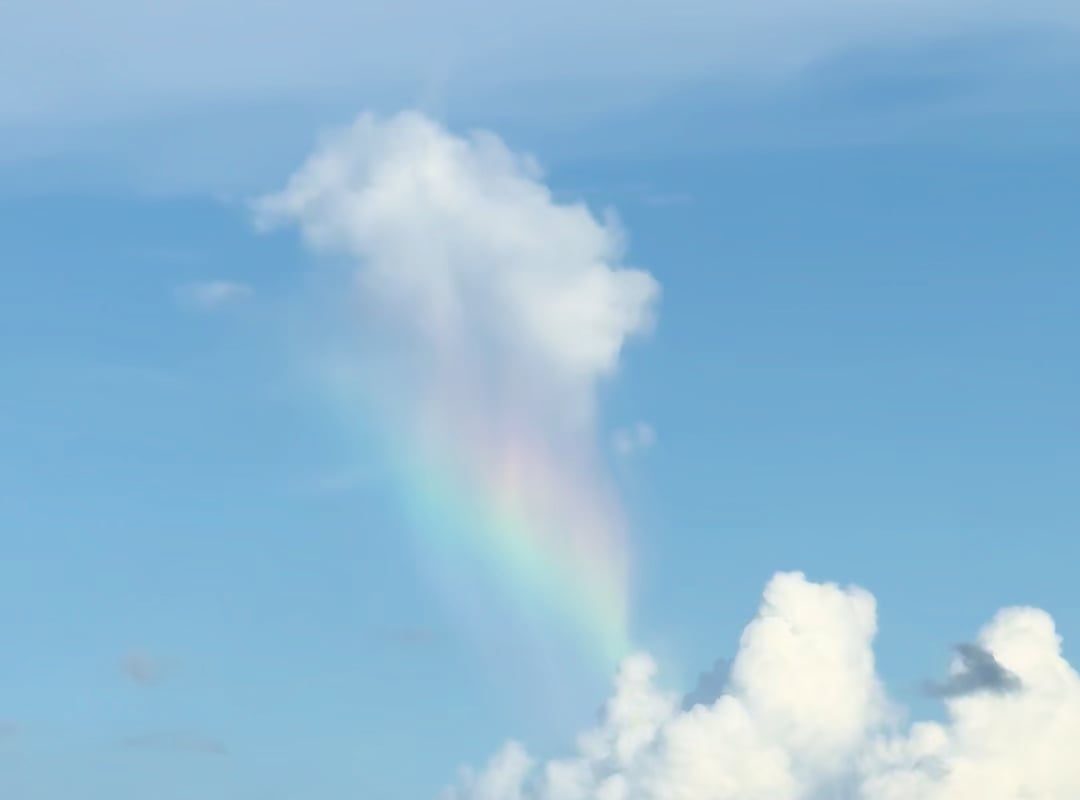
Caught a cloud raining a rainbow onto another cloud
Caught a Cloud Raining a Rainbow: Unraveling Nature’s Rare Sky Spectacle
Introduction
Imagine glancing at the sky and witnessing a surreal scene straight out of a fairy tale: a shimmering cascade of prismatic hues flowing from one cloud to another. This mesmerizing phenomenon, often described as a “cloud raining a rainbow onto another cloud,” isn’t just fantasy—it’s a breathtaking quirk of atmospheric science. In this article, we’ll explore the science behind this optical marvel, unpack where and why it occurs, and reveal how you might catch a glimpse of it yourself.
What Does “A Cloud Rains a Rainbow” Mean?
This poetic phrase refers to the optical illusion of multicolored light—resembling a liquid rainbow—streaming from one cloud to another. Unlike ordinary rainbows (formed by sunlight refracting through raindrops), this spectacle involves complex interactions between light, ice crystals, and cloud formations. Think of it as nature’s version of a celestial light show, blending physics and artistry.
The Science Behind the Phenomenon
-
Cloud Iridescence: The phenomenon often stems from cloud iridescence, where tiny water droplets or ice crystals in clouds diffract sunlight, scattering it into vivid colors. When the sun aligns perfectly behind thin, mid-level clouds (like altocumulus or lenticular clouds), sunlight bends around microscopic particles, creating localized rainbows.
-
The Role of Ice Crystals: In colder, high-altitude clouds, flat hexagonal ice crystals act like prisms. When sunlight hits these crystals at precise angles, they can refract light into a “rainbow fall” effect, making it appear as if one cloud is showering colors onto another.
-
Atmospheric Optics: This illusion is part of a wider family of sky spectacles, including sun dogs, halos, and fire rainbows (circumhorizontal arcs). What makes this event unique is its fleeting, cascading appearance, often lasting just minutes.
Where and When Can You See It?
-
Optimal Conditions:
- Time of Day: Shortly after sunrise or before sunset, when the sun is low.
- Weather: Moist, thin clouds at altitudes of 20,000+ feet.
- Location: Mountainous regions or near coasts, where cloud layers often stack vertically.
-
Rarity: While cloud iridescence isn’t unheard of, the “rainbow rain” illusion is extraordinarily rare. It requires a precise cocktail of atmospheric factors, making it a prized sight for skywatchers.
Myths and Symbolism of Rainbow Clouds
Across cultures, these events inspire wonder:
- Ancient Beliefs: Some Indigenous traditions interpreted iridescent clouds as bridges between realms or messages from spirits.
- Modern Symbolism: Today, they’re seen as symbols of hope, transformation, or harmony—a reminder of Earth’s hidden beauty.
How to Photograph a Rainbow Cloud Phenomenon
- Use Polarized Sunglasses: These enhance color saturation, making the rainbow effect easier to spot.
- Camera Settings: Opt for a high ISO (400–800), fast shutter speed, and avoid using flash.
- Patience Pays Off: Monitor sky patterns during optimal conditions, especially after storms.
Pro Tip: Apps like SatCam or Golden Hour can help predict ideal lighting conditions!
FAQs About Clouds Raining Rainbows
Q: Is this a real weather event or a camera trick?
A: It’s real! While photos amplify the colors, the phenomenon itself is a natural optical effect.
Q: Can it happen at night?
A: No—sunlight is essential. Moonbows (rainbows formed by moonlight) are possible but extremely faint.
Q: Are these related to climate change?
A: Not directly, but shifting cloud patterns due to global warming could make such spectacles rarer.
Final Thoughts: Chasing Sky Magic
Witnessing a cloud “rainbow rain” is like stumbling upon nature’s best-kept secret—an ephemeral union of physics and art that reminds us to always look up. While rare, understanding the science behind it empowers you to anticipate and appreciate these moments when they grace the sky.
Share your own sky stories in the comments below! 🌈☁️
Meta Description:
Discover the science behind the rare phenomenon of a cloud raining a rainbow onto another cloud. Learn how it works, where to see it, and how to capture this sky marvel!
Keywords: rainbow cloud, cloud raining rainbow, cloud iridescence, atmospheric optics, rare weather phenomena, rainbow science, sky photography, optical illusions.
By blending scientific accuracy with a sense of wonder, this article aims not just to inform but to inspire readers to engage with the magic hidden in everyday skies. 🌤️