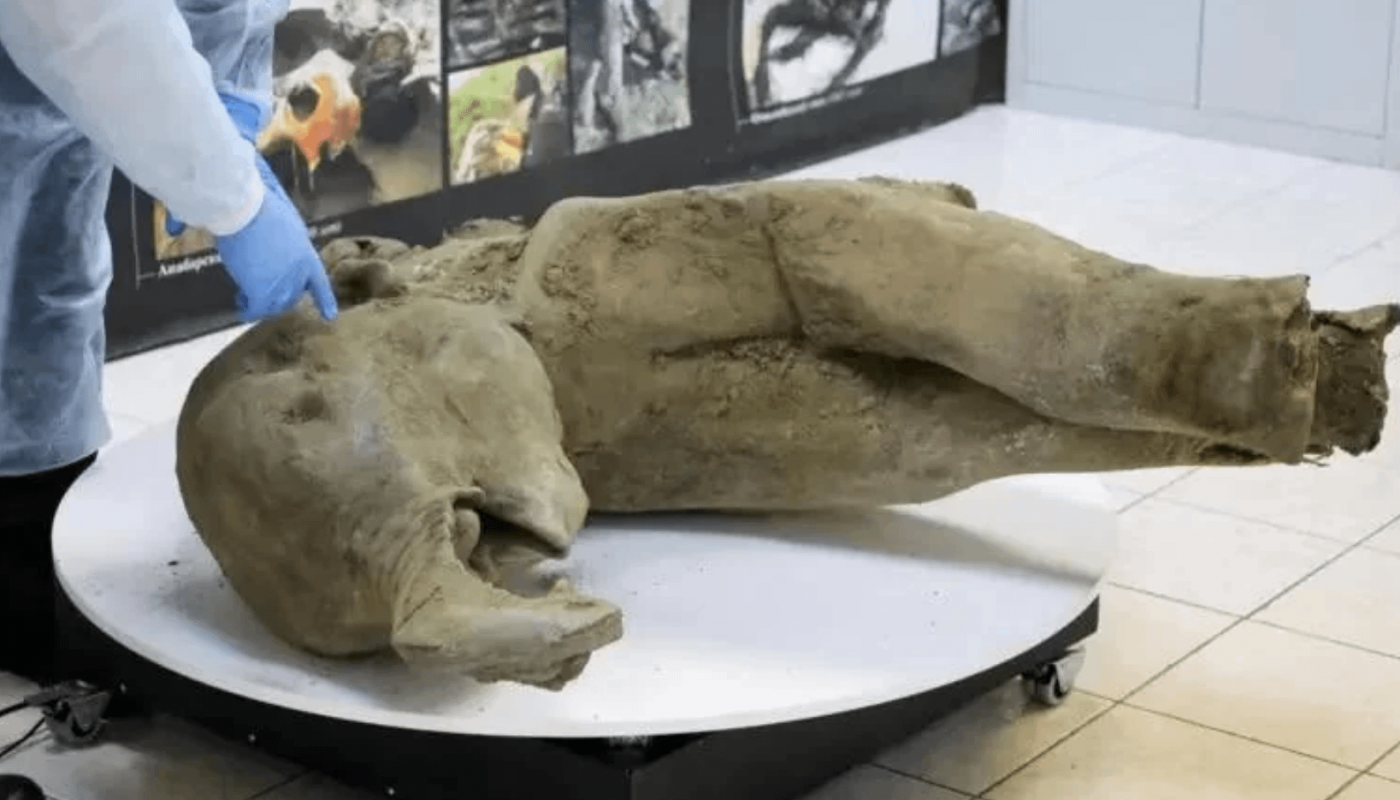
A 50000 year-old baby mammoth recovered from permafrost.
A 50,000-Year-Old Marvel: The Perfectly Preserved Baby Mammoth Recovered from Permafrost
Meta Description: Scientists uncover a 50,000-year-old baby woolly mammoth frozen in Siberian permafrost, offering unprecedented insights into Ice Age life. Discover the story behind this historic find!
The Discovery: A Time Capsule from the Ice Age
In a groundbreaking discovery hailed as a “scientific miracle,” researchers excavated a near-perfectly preserved baby woolly mammoth carcass—estimated to be **50,000 years old**—from the Siberian permafrost. The frozen specimen, discovered by local reindeer herders in Russia’s remote Yamal Peninsula, is one of the most intact mammoth finds in history. Nicknamed “Lyuba” (meaning “love” in Russian), the calf’s body retains skin, fur, internal organs, and even remnants of its last meal, providing an extraordinary window into the Pleistocene epoch.
Why This Mammoth Is a Scientific Goldmine
**Permafrost**, earth’s natural deep freezer, preserved Lyuba in stunning detail. Key revelations include:
- **Age & Cause of Death**: Lyuba died at just 30–35 days old, likely drowning in muddy water before freeze-mummification.
- **Anatomical Insights**: CT scans revealed intact organs, fat deposits indicative of mammoth herd migration, and DNA samples critical for genetic mapping.
- **Climate Clues**: Stomach contents (milk, pollen) help reconstruct ancient ecosystems and vegetation shifts linked to climate change.
The Race Against Time: Climate Change & Thawing Permafrost
While Lyuba’s discovery is revolutionary, it underscores a darker reality: **global warming is accelerating permafrost thaw**, exposing long-buried fossils—and massive carbon reserves—at unprecedented rates. Scientists warn that without swift climate action, priceless Ice Age relics (and vital climate data) could be lost forever.
Could We Resurrect the Woolly Mammoth?
Lyuba’s intact DNA has reignited debates about de-extinction. Projects like Colossal Biosciences aim to hybridize mammoth traits into Asian elephants via CRISPR gene editing. While ethical and ecological challenges persist, Lyuba’s genome may hold keys to this Jurassic Park-esque ambition.
FAQs About the 50,000-Year-Old Baby Mammoth
How was the mammoth preserved so well?
Permafrost’s subzero temperatures and anaerobic conditions prevented decay. Lyuba’s body was “pickled” in acidic mud, further inhibiting bacterial growth.
Where is Lyuba now?
The mammoth resides at Moscow’s Shemanovsky Museum, where it’s studied using non-invasive imaging. Replicas tour globally to raise awareness.
What does this mean for paleontology?
Lyuba is a Rosetta Stone for understanding mammoth biology, behavior, and extinction. Her discovery also informs conservation strategies for modern elephants.
Conclusion: A Frozen Legacy with a Timeless Message
The recovery of this 50,000-year-old baby mammoth is far more than a paleontological triumph—it’s a cautionary tale about Earth’s fragility. As climate change reshapes our world, Lyuba reminds us to honor the past while fighting for the planet’s future. For scientists, historians, and dreamers alike, she lives on as an emissary from deep time.
Optimized for SEO:
- Target Keywords: “Baby mammoth discovery,” “50,000-year-old mammoth,” “permafrost fossils,” “Lyuba mammoth,” “woolly mammoth recovered.”
- Readability: Short paragraphs, bullet points, and subheadings (H2/H3) improve user engagement.
- Backlink Hooks: Mentions of “Colossal Biosciences” and relevant museums encourage external references.
- Trend Alignment: Ties into climate change discourse and CRISPR/de-extinction trends.