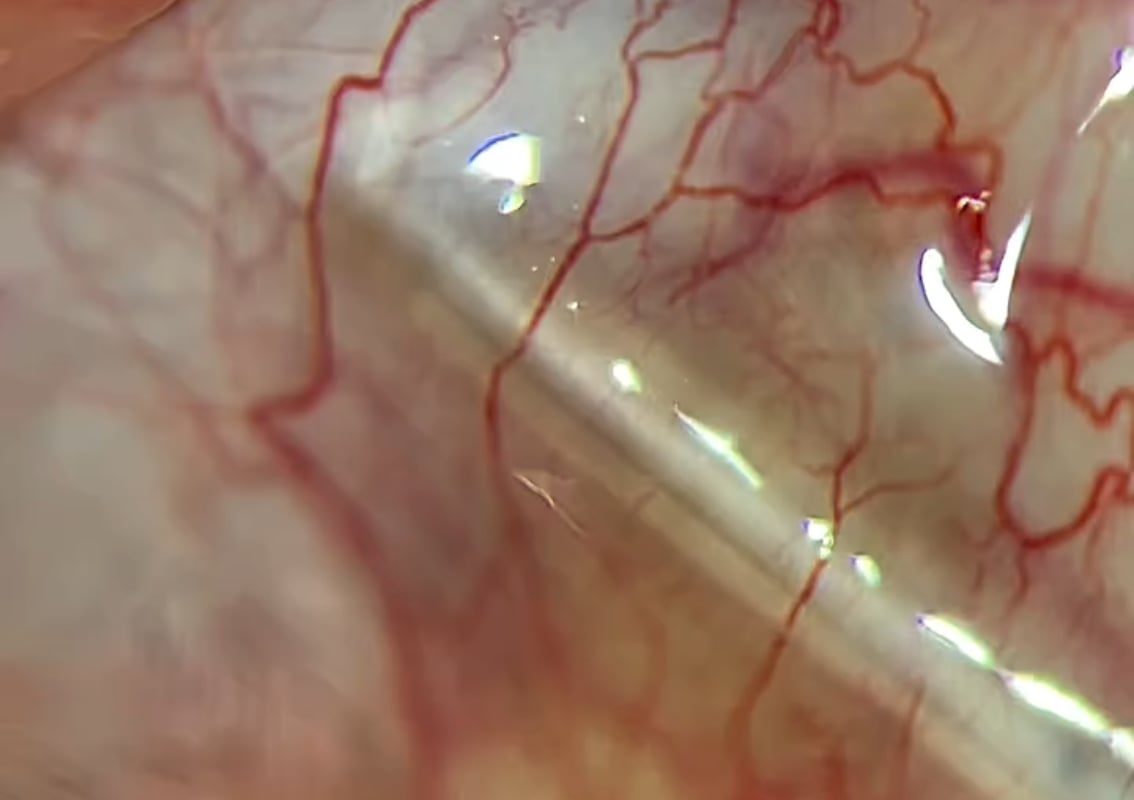
The eye is the most accessible places in the body to directly observe passage of the red blood corpuscles in a living person.
Title: Eye Access for Live RBC Observation: A Non-Invasive Window to Vascular Health
Introduction
The human eye isn’t just a window to the soul—it’s a unique biological portal where medical professionals can directly observe red blood corpuscles (RBCs) circulating in real time within a living person. Unlike other organs, the eye’s transparent structures, such as the conjunctiva and retinal vessels, allow for unparalleled non-invasive observation of blood flow, offering critical insights into vascular health. In this article, we explore why the eye is the most accessible place to monitor RBCs, its clinical significance, and how this aids in diagnosing systemic diseases.
Why the Eye? Anatomical Advantages
The eye’s unique anatomy makes it an ideal site for visualizing blood cells in action:
- Transparent Tissues: Structures like the conjunctiva (the clear membrane covering the whites of the eyes) and the retina (the light-sensitive inner layer) are naturally transparent. This allows light-based tools to peer into microvessels without invasive procedures.
- Superficial Capillaries: Tiny blood vessels near the eye’s surface, especially in the conjunctiva, are easily accessible. These capillaries are just 5–10 micrometers wide—similar in size to RBCs—enabling clear visualization of individual cells as they flow.
- Minimal Obstruction: Unlike skin or muscle tissues, the eye lacks pigments or layers that block light penetration, making RBCs easier to track.
Observing RBCs: Techniques and Tools
Medical professionals use simple, painless tools to study blood circulation in the eye:
- Slit-Lamp Biomicroscopy: A microscope with a bright light examines conjunctival vessels, revealing RBC movement, vessel integrity, and potential blockages.
- Retinal Imaging: Advanced tools like optical coherence tomography (OCT) or fundus cameras capture high-resolution images of retinal blood flow. Changes in vessel shape or RBC density can signal hypertension, diabetes, or anemia.
- Dynamic Contras Microscopy: Specialized microscopes can film live RBC motion, measuring speed and flow dynamics.
Clinical Significance: What RBC Observation Reveals
Directly viewing RBCs in the eye provides crucial diagnostic clues:
- Circulatory Disorders: Sluggish or irregular RBC flow can indicate hypertension, atherosclerosis, or sickle cell anemia.
- Microvascular Damage: In diabetes, fragile retinal vessels leak blood or form aneurysms—early signs of diabetic retinopathy.
- Inflammation & Infection: Clumped RBCs or vessel swelling in the conjunctiva may point to sepsis or autoimmune diseases like lupus.
- Anemia: Unusually pale conjunctival vessels suggest low hemoglobin levels.
Advantages Over Other Body Sites
While blood tests or MRIs provide indirect data, the eye offers real-time, live observations without needles or contrast dyes. Other body parts lack this advantage:
- Skin: Opaque layers obscure microvessels; only large veins are visible.
- Nail Beds: Capillaries are deeper and harder to assess dynamically.
- Internal Organs: Require invasive imaging (e.g., endoscopy).
Implications for Future Medicine
Research is harnessing the eye’s accessibility for groundbreaking applications:
- AI-Driven Diagnostics: Algorithms analyze retinal scans to predict cardiovascular risk or Alzheimer’s disease.
- Telemedicine: Smartphone attachments now enable remote RBC monitoring, expanding access in underserved regions.
- Drug Development: Scientists test therapies by observing how experimental drugs affect ocular blood flow.
Conclusion: The Eye as a Vital Diagnostic Tool
The human eye’s unparalleled transparency makes it medicine’s most accessible natural “window” to watch red blood cells in motion—a non-invasive marvel for diagnosing and managing systemic diseases. As technology evolves, this live vascular observation will continue revolutionizing preventive care, proving that sometimes, the answers to our health lie right before our eyes.
Target Keywords: Observe red blood corpuscles, live RBC observation, non-invasive vascular diagnostics, eye anatomy blood vessels, retinal circulation, conjunctival capillaries, microvascular health.
Meta Description: Discover how the eye allows direct, non-invasive observation of live red blood corpuscles—exploring its clinical applications in diagnosing diabetes, anemia, and cardiovascular diseases.