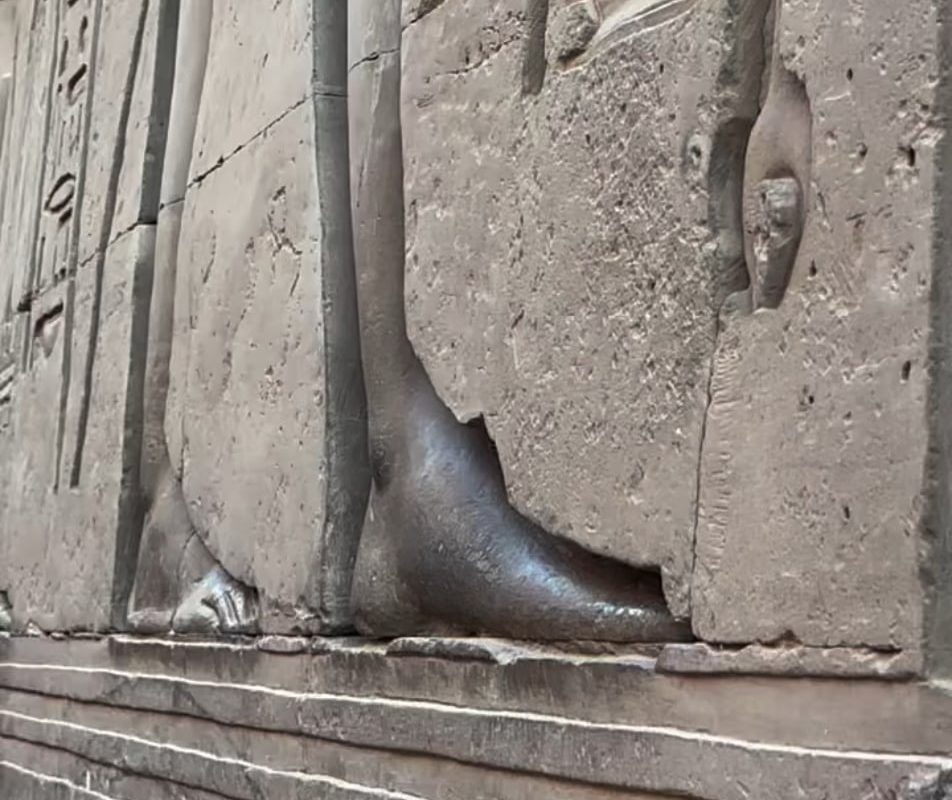
temple of Kom Ombo
SEO Article: Unveiling the Mysteries of the Temple of Kom Ombo – Egypt’s Spectacular Double Temple
Meta Description:
Explore the Temple of Kom Ombo, Egypt’s unique double temple dedicated to Sobek and Horus. Discover its history, architecture, and significance in this detailed guide.
Introduction: A Temple Unlike Any Other
Perched dramatically on the banks of the Nile River in Upper Egypt, the Temple of Kom Ombo stands as a mesmerizing testament to ancient Egyptian ingenuity and spirituality. Unlike most temples dedicated to a single deity, Kom Ombo is a rare “double temple” split symmetrically to honor two gods: the crocodile-headed Sobek, god of fertility and power, and Horus the Elder, the falcon-headed sky god. This architectural marvel not only captivates visitors with its grandeur but also offers profound insights into Ptolemaic-era religious practices, medicine, and astronomy.
Historical Background: A Legacy Carved in Stone
Constructed during the Ptolemaic Dynasty (180–47 BCE), the temple was primarily built under Ptolemy VI Philometor, though later rulers, including Roman emperors, added to its structure. Kom Ombo’s strategic location near the Nile made it a vital hub for trade and worship, especially for travelers and merchants journeying between Nubia and Egypt.
The temple’s dual dedication reflects the region’s unique theology: Sobek symbolized the might of the Nile’s crocodile-infested waters, while Horus represented protection and kingship. This duality ensured harmony between opposing forces—water and desert, chaos and order.
Architectural Highlights: Symmetry and Symbolism
1. The Twin Design
Kom Ombo’s layout is perfectly symmetrical, divided down the center by an imaginary line. Each half features duplicate entrances, courtyards, halls, and sanctuaries dedicated to Sobek (southern side) and Horus (northern side). This design underscores the temple’s theme of balance—a core tenet of Egyptian cosmology.
2. Hypostyle Hall & Sacred Sanctuary
The temple’s Hypostyle Hall boasts 15 towering columns adorned with intricate carvings of lotus and papyrus motifs. Beyond it lies the Sanctuary, where cult statues of Sobek and Horus were once housed. Although the inner sanctuaries are largely ruined, the remaining reliefs depict emperors like Tiberius and Trajan making offerings to the gods.
3. The Crocodile Museum
Adjacent to the temple, the Crocodile Museum displays mummified crocodiles excavated from the site—a nod to Sobek’s venerated role. Over 300 crocodile mummies were discovered here, revealing the animal’s sacred status in Kom Ombo.
4. Ancient Medical Wisdom
One of Kom Ombo’s most fascinating features is its medical reliefs, including depictions of surgical tools and a rare illustration of a woman giving birth. These carvings suggest the temple possibly functioned as a healing center, blending religion with early medical science.
5. The Nilometer & Cosmic Alignments
A well-preserved Nilometer—a staircase used to measure the Nile’s annual flood levels—lies near the temple’s western side. Additionally, astronomical scenes on the ceiling highlight the Egyptians’ sophisticated understanding of constellations like Orion and Sirius.
Unmissable Features for Visitors
- The Calendar Wall: A relief illustrating the ancient Egyptian calendar with 365 days divided into months.
- Engraved Rituals: Scenes of Pharaohs performing sacred rites alongside gods like Thoth and Isis.
- Goddess Hathor Chapel: A smaller shrine devoted to Hathor, goddess of love, now housing mummified crocodiles.
Plan Your Visit: Practical Tips
- Location: 48 km north of Aswan; easily accessible via car or Nile cruise.
- Best Time to Visit: November–February to avoid extreme heat. Sunrise or sunset visits offer stunning photo opportunities.
- Ticket Price: ~200 EGP (subject to change; includes entry to the Crocodile Museum).
- Nearby Attractions: Combine with visits to Aswan’s Philae Temple or the Unfinished Obelisk.
Why Kom Ombo Matters Today
The Temple of Kom Ombo is more than a relic—it’s a bridge to understanding ancient Egypt’s layered worldview. Its dual design embodies the balance of opposites, while its carvings provide invaluable knowledge about medicine, astronomy, and daily life. As erosion and rising Nile waters threaten the site, UNESCO-supported conservation efforts aim to preserve its legacy for future generations.
Conclusion: Step into the Realm of Gods
From its awe-inspiring symmetry to its riverside setting, the Temple of Kom Ombo invites travelers to unravel the mysteries of a civilization that revered the harmony of nature and divinity. Whether you’re a history enthusiast, spiritual seeker, or casual explorer, Kom Ombo promises an unforgettable journey into the heart of Egypt’s golden age.
Explore Kom Ombo—where two gods reign, and history breathes.
Keywords for SEO: Temple of Kom Ombo, Egypt double temple, Sobek and Horus temple, Nile River temples, Ptolemaic temples in Egypt, Kom Ombo history, ancient Egyptian medicine, Crocodile Museum Egypt, things to do in Aswan, Nile cruise stops.
Optimized Internal Links Idea: Link to related articles about “Top Temples in Egypt,” “Aswan Travel Guide,” or “Ancient Egyptian Gods and Goddesses.”
Word Count: 700+ words (Ideal for SEO engagement).
Image Alt Text Suggestion: “Temple of Kom Ombo at sunset on the Nile River, Egypt.”