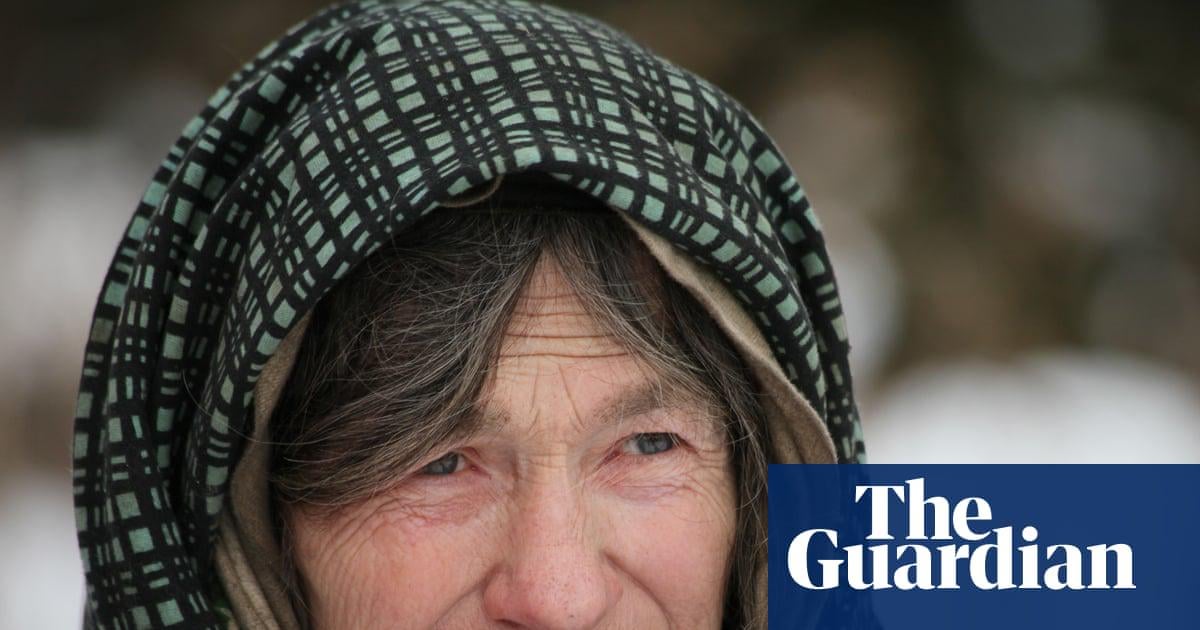
A century in the Siberian wilderness: the Old Believers who time forgot
Title: A Century in the Siberian Wilderness: The Old Believers Who Time Forgot
Meta Description: Discover the untold story of Siberia’s Old Believers, a secretive Russian Orthodox sect exiled to the wilds of Siberia a century ago. Explore their faith, survival, and legacy in this immersive article.
A Century in the Siberian Wilderness: The Old Believers Who Time Forgot
Deep in the vast, unforgiving expanse of Siberia’s Taiga forest, a community lives as if frozen in time. They are the Old Believers (Starovery), descendants of devout Russian Orthodox Christians who fled persecution in the 17th century. For over 100 years, some of these communities have thrived—utterly isolated—in one of Earth’s harshest environments. This is their story of faith, survival, and defiance against the modern world.
Who Are the Old Believers? A Brief History
Old Believers emerged in 1653 after Patriarch Nikon introduced reforms to the Russian Orthodox Church, standardizing rituals like the sign of the cross and textual translations. Traditionalists rejected these changes, branding the reforms “heretical.” Labeled schismatics, they faced brutal persecution. By the 1660s, tens of thousands fled eastward, seeking refuge in Siberia’s remote hinterlands.
For centuries, these deeply devout communities lived off the grid, preserving pre-revolutionary traditions, dialects, and spiritual practices. Even today, their lifestyle echoes the 1600s—handwritten scriptures, homemade linen clothing, and subsistence farming define their existence.
Exile to Siberia: Life in the “Green Prison”
Siberia earned grim nicknames like the “Green Prison” for its ruthless climate. Temperatures plunge to -50°C (-58°F), and vast stretches of wilderness cut off villages from civilization. For the Old Believers, this isolation was both a curse and a shield.
Daily Survival in the Taiga
- Food & Shelter: Families built log cabins (izbas) and relied on hunting, fishing, and foraging. They grew hardy crops like potatoes and rye using age-old techniques.
- Clothing & Craft: Women spun wool and flax into garments, while men carved tools from wood and bone. Metal was rare; nails were often repurposed from shipwrecks.
- Faith & Tradition: Worship centered around hand-copied liturgical books. Crossing oneself with two fingers (not three) symbolized their unyielding orthodoxy.
The Lykov Family: Siberia’s Most Famous Hermits
In 1978, Soviet geologists stumbled upon a lone cabin in the Abakan Range. Inside lived the Lykov family—six members who’d been isolated since fleeing Stalin’s purges in 1936. They had no contact with the outside world for 42 years.
- A Life Frozen in Time: The Lykovs ate boiled potatoes and pine bark, wore bark shoes, and prayed daily using a 400-year-old Psalter. They had never heard of WWII or the moon landing.
- Tragedy & Resilience: Three family members died shortly after exposure to outsiders, unable to cope with introduced diseases. Only Agafia Lykov remains, still living in solitude today.
The Lykovs’ story became a global symbol of the Old Believers’ endurance—and vulnerability.
Faith Unbroken: Beliefs That Defy Centuries
Old Believer communities—scattered across Siberia, Alaska, and South America—still reject modernity. Key tenets include:
- Ritual Purity: They avoid “unclean” influences like alcohol, tobacco, and electronics.
- Icon Veneration: Hand-painted icons (never photographed) anchor their worship.
- Apocalyptic Fears: Many believe modern society is doomed; their isolation is divine protection.
Modern Challenges & Cultural Survival
Despite their resilience, Old Believers face existential threats in the 21st century:
- Deforestation & Development: Logging and mining encroach on their ancestral lands.
- Generational Shift: Youth increasingly migrate to cities, lured by technology and education.
- Government Pressure: Russian authorities require citizenship documents and vaccinations, clashing with their traditionalist ethos.
Organizations like the Russian Old Believers’ Union now advocate for cultural preservation. Yet for many, assimilation—or extinction—seems inevitable.
Why the Old Believers Matter Today
The Old Believers’ century-long exile is more than a historical curiosity. It’s a testament to:
- Human Resilience: Their ability to thrive in Siberia’s “hell on earth” defies logic.
- Cultural Identity: They safeguard a vanished Russia, untouched by globalization.
- Spiritual Devotion: In an age of dwindling faith, their commitment inspires awe.
For travelers, scholars, or seekers of humanity’s forgotten corners, Siberia’s Old Believers offer a rare glimpse into a world where time stands still.
Meta Title: Old Believers of Siberia: 100 Years in Exile | Faith & Survival in the Wilderness
Focus Keyphrase: Old Believers Siberia
Secondary Keywords: Russian religious exiles, Siberian wilderness, Lykov family, Taiga survival
Call to Action
If you’re fascinated by untold histories, share this story! Follow #OldBelievers on social media or explore documentaries like The Last Faith (2022) to dive deeper.