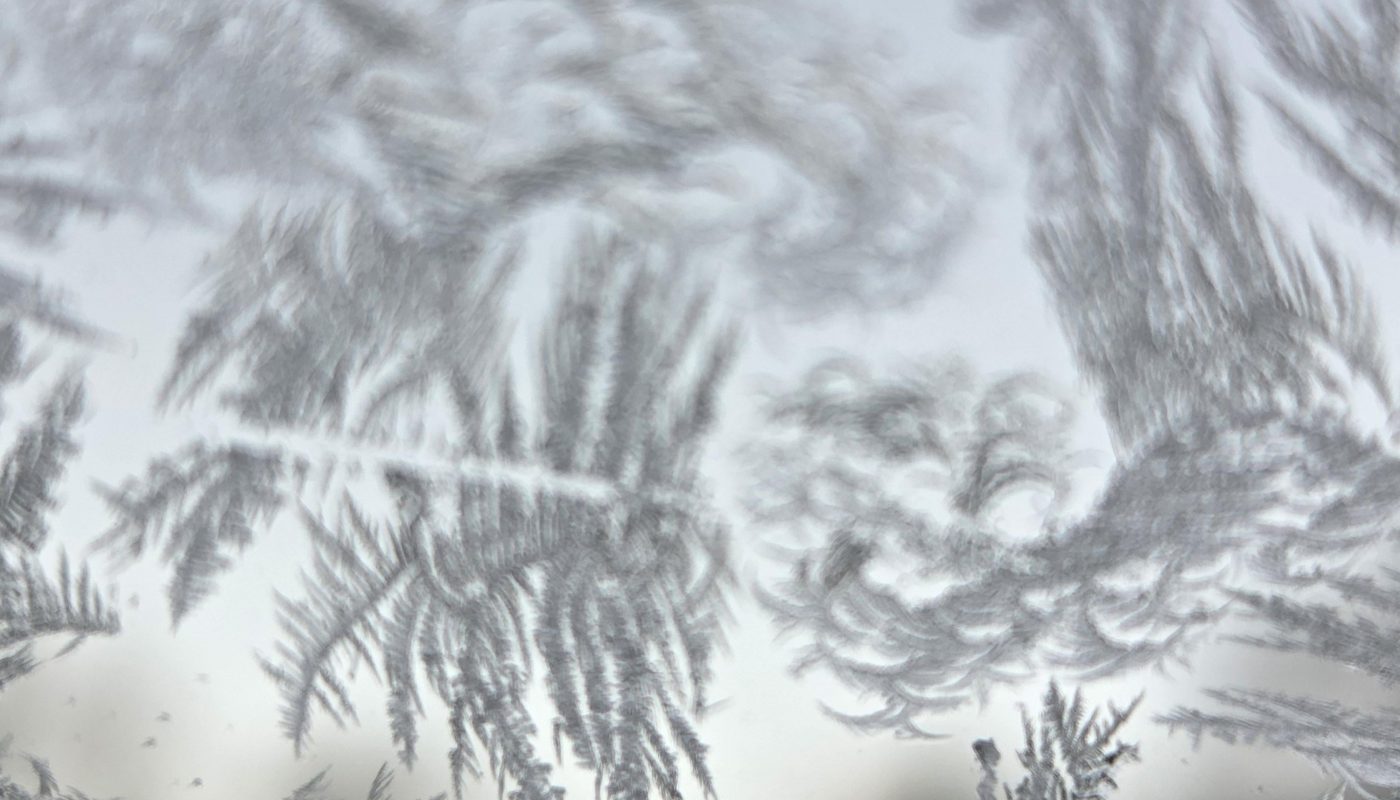
The frost crystal patterns on my windshield this morning
The Frost Crystal Masterpiece: Why Your Windshield Turns Into Winter’s Canvas
There’s a certain magic to stepping outside on a frigid morning and discovering your windshield transformed into a gallery of intricate frost crystals. Delicate fern-like fronds, geometric lattices, and feathery fractals sprawl across the glass like nature’s own stained glass—ephemeral art painted by the cold. But what causes these breathtaking patterns, and why do they vary so wildly from one morning to the next? Let’s explore the science and beauty behind winter’s frozen artwork.
The Science Behind Frost Formation
Frost forms when water vapor in the air freezes directly onto a cold surface, bypassing the liquid phase in a process called deposition. Windshields act as the perfect canvas because their smooth glass and rapid heat loss create prime conditions for ice crystals to nucleate. Here’s how it works:
- Temperature Drop: The windshield cools overnight, often reaching temperatures below freezing (°F/0°C) while exposed air contains moisture (humidity).
- Surface Contact: Water vapor molecules collide with the cold glass and adhere to imperfections like dust, scratches, or even tiny dirt particles.
- Crystal Growth: Molecules stack in hexagonal patterns dictated by water’s chemical structure. Branches spread outward as new vapor freezes onto existing ice, creating elaborate designs.
Why No Two Frost Patterns Are Alike
Ever noticed how frost designs vary daily? These unique formations depend on three key factors:
-
Humidity Levels
- High humidity = denser, intricate crystals (fern-like “frost flowers”).
- Low humidity = sparse, needle-like patterns.
-
Wind & Airflow
- Calm air allows symmetrical branching.
- Breezes create distorted, wispy shapes as crystals grow unevenly.
-
Surface Imperfections
- Scratches, dirt, or residue disrupt crystal growth, leading to chaotic “rivers” or clustered nodes.
The Hidden Meaning in the Frost
Folklore often links frost patterns to the whims of winter spirits, but science reveals a poetic truth: each crystal tells the story of its environment. Delicate branches hint at still, humid nights. Jagged lines may reflect turbulent pre-dawn winds. Even the frost’s thickness—opaque versus transparent—hints at how quickly temperatures plunged.
Is This Artwork Dangerous?
While beautiful, frost reduces visibility and signals potential hazards:
- Thick frost: Indicates dangerously low temps. Check tire pressure and battery health.
- Layered patterns: May signal hidden ice on roads (black ice risk).
Pro Tip: Never pour hot water on frost! Thermal shock can crack glass. Use a defroster or gentle scraper instead.
Capturing Frost’s Ephemeral Beauty
Before scraping away nature’s masterpiece:
- Photograph it: Macro shots highlight fractal details.
- Sketch the patterns: Artists often replicate frost for lacework or jewelry designs.
- Observe melting: Watch how crystals collapse at different rates—science in action!
The Bigger Picture
Frost patterns are a tiny part of Earth’s water cycle—reminding us how moisture moves from air to ground, sustaining life come spring. They’re also proof that beauty thrives in the coldest moments, if we pause to look.
SEO Keywords: frost patterns windshield, winter frost crystals, frost science, deposition ice, frost formation causes, defrosting windshield, ice crystal art.
Meta Description: Discover why frost creates stunning crystal patterns on your windshield. Learn the science behind winter’s fleeting artwork and how humidity, wind, and surface flaws sculpt nature’s icy masterpieces.
Next time frost paints your car, take a moment to appreciate the collaboration between physics and artistry—a reminder that even in the chill of winter wonder surrounds us. ❄️