The Amazing Thousand Year Old Key Monastery in India
Meta Title: Discover Key Monastery: A Millennia-Old Himalayan Jewel in India
Meta Description: Explore the ancient Key Monastery in Spiti Valley, India – its history, architecture, and travel tips. Uncover the secrets of this 1,000-year-old Buddhist sanctuary!
The Amazing Thousand-Year-Old Key Monastery in India: A Spiritual Odyssey in the Himalayas
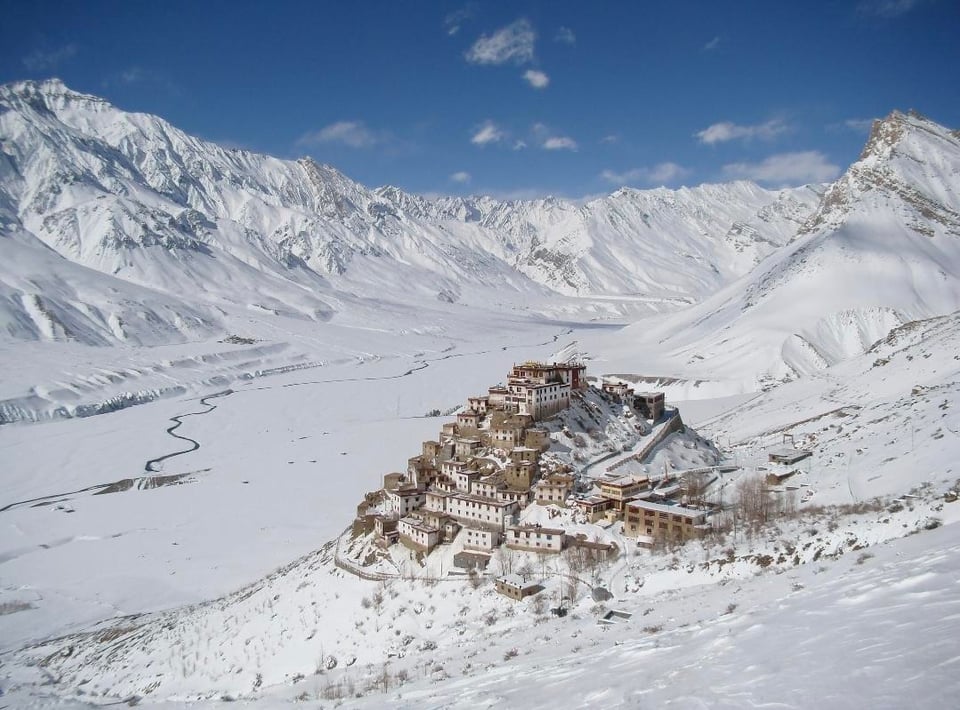
Perched dramatically on a hilltop 4,166 meters (13,668 feet) above sea level, Key Monastery (or Ki Gompa) is not just one of India’s oldest Buddhist monasteries but also a breathtaking symbol of resilience and spirituality. Located in the remote Spiti Valley of Himachal Pradesh, this architectural wonder has witnessed over a millennium of history, invasions, and renewal. For travelers seeking adventure, culture, and serenity, Key Monastery offers an unforgettable journey into the heart of the Himalayas.
A Glimpse into History: The Legacy of Key Monastery
Founded in the 11th century by the scholar Dromtön (a disciple of the legendary teacher Atisha), Key Monastery belongs to the Gelugpa sect of Tibetan Buddhism. Its strategic hilltop location—once vital for defense against Mongol and Central Asian invasions—reflects its tumultuous past. Over the centuries, it survived earthquakes, fires, and wars, undergoing multiple reconstructions while preserving its sacred traditions.
Today, it remains a thriving center for Buddhist learning, home to over 300 monks. The monastery’s museum showcases rare artifacts, including ancient Thangka paintings, manuscripts, and weaponry from its defensive history.
Architecture That Defies Time
Key Monastery’s fortress-like structure is a visual masterpiece blending Tibetan and Indian styles. Resembling a cascading “hill fort,” its white-washed walls and red-accented prayer halls cling to the rugged cliffs like a natural extension of the landscape. The labyrinthine complex houses:
- Three floors of chambers: The basement (storage), middle level (prayer halls and residences), and rooftop terrace with panoramic Spiti Valley views.
- Ancient Murals: Vivid Buddhist frescoes depicting deities, mandalas, and scenes from Buddha’s life.
- Sacred Relics: Golden stupas, ceremonial trumpets (dungchen), and prayer wheels.
The main assembly hall (Dukhang) and temple (Tshomchen) are adorned with intricate woodwork and statues of Buddha, Padmasambhava, and Tsongkhapa, founder of the Gelugpa order.
Cultural Significance & Living Traditions
Key Monastery is the largest monastic institution in Spiti Valley and a key hub for Vajrayana Buddhism. Daily rituals include:
- Morning prayers with rhythmic chanting and drumming at dawn.
- Debate sessions where monks engage in philosophical discourse.
- Annual festivals like Chham Dances during Galdan Namchot (celebration of Losar, the Tibetan New Year).
The monastery also doubles as a boarding school, educating young monks in Buddhist philosophy, Sanskrit, medicine, and calligraphy.
How to Reach Key Monastery
Nearest Access Points
- By Air: Closest airports are Bhuntar (Kullu) and Shimla. From there, hire a taxi or take a bus to Kaza (Spiti’s administrative center).
- By Road:
- Shimla-to-Kaza Route: A scenic 2-day drive via Kinnaur Valley (open May–October).
- Manali-to-Kaza Route: Cross the treacherous Kunzum Pass (15,060 ft) for rugged high-altitude vistas.
Key Monastery is 12 km from Kaza, accessible by taxi or a rewarding uphill hike.
Travel Tips
- Best Time to Visit: May–October (avoid monsoons due to landslides).
- Altitude Sickness: Acclimatize in Kaza (3,800 m) before ascending. Carry medications and hydrate well.
- Permits: Indian nationals require an Inner Line Permit to enter Spiti; foreign travelers need permits issued in Shimla or Reckong Peo.
Experiencing Key Monastery: What to Do
- Attend Morning Prayers: Witness the haunting beauty of dawn rituals.
- Explore the Museum: See 14th-century scriptures and ritual masks.
- Photography: Capture sunrise/sunset over the valley (ask permission for interiors).
- Stay Overnight: Basic guesthouses offer immersive cultural stays.
Nearby Attractions
- Kibber Village: One of the world’s highest inhabited villages (4,270 m).
- Dhankar Monastery: A cliffside fortress-monastery.
- Chandratal Lake: A glacial “Moon Lake” at 14,000 ft.
Traveler’s Checklist
- Respect Local Customs: Dress modestly, remove shoes in shrines, and avoid loud behavior.
- Pack Smart: Layers, sunscreen, sunglasses, and sturdy shoes for rocky paths.
- Connectivity: Limited phone/internet – embrace the digital detox!
Conclusion: A Timeless Himalayan Treasure
Key Monastery isn’t just a relic of the past; it’s a living testament to human endurance and devotion. Whether you’re drawn by spirituality, history, or the raw beauty of the Himalayas, this thousand-year-old sanctuary promises an experience that transcends time.
Plan Your Journey: Add Spiti Valley to your bucket list and let Key Monastery reveal the soul of the mountains.
Target Keywords:
- Key Monastery Spiti Valley
- Ancient Buddhist monasteries in India
- Spiti Valley tourism
- Tibetan Buddhist culture
- Offbeat travel destinations India
Word Count: ~800
SEO Boost: Internal links to “Dhankar Monastery” or “Chandratal Lake” guides can improve dwell time and reduce bounce rates.