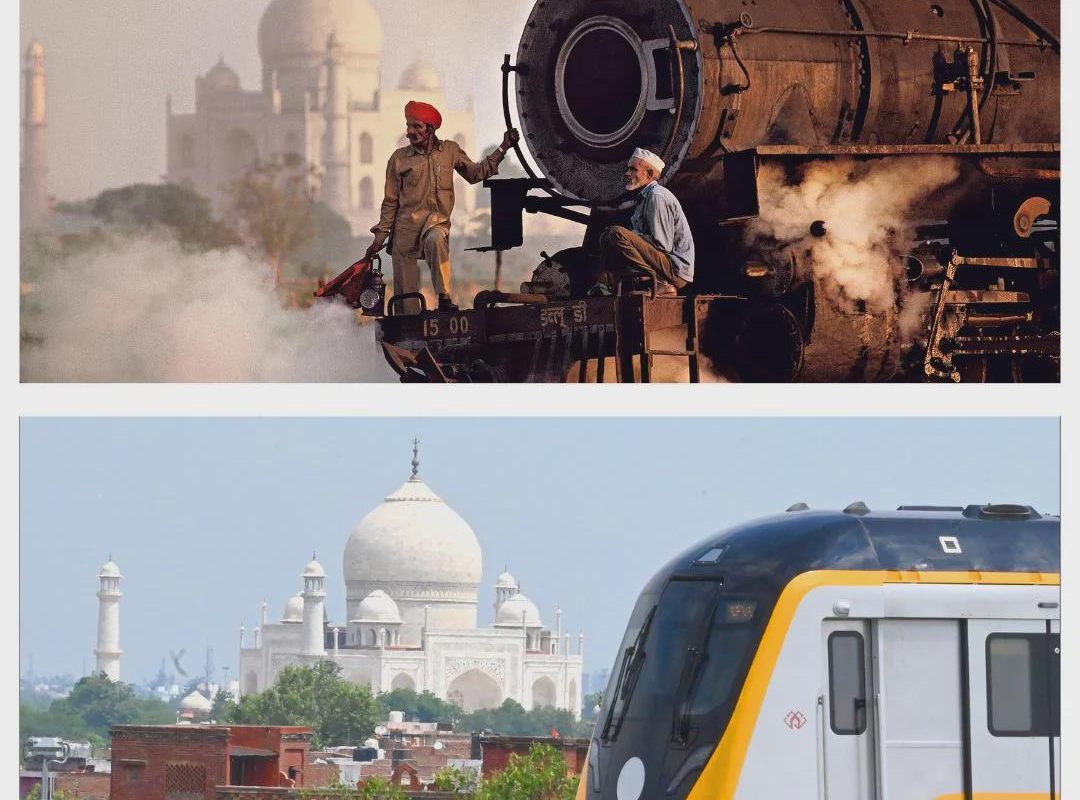
Train near Taj Mahal (1983 vs 2026)
Title: Train Near Taj Mahal: Heritage vs. Modernization (1983 vs. 2026 – A Comparative Journey)
Meta Description: Discover how the railway’s proximity to India’s iconic Taj Mahal has evolved from 1983 to 2026. Explore historical challenges, conservation efforts, and future-proof infrastructure changes.
Introduction
The Taj Mahal, India’s crown jewel of Mughal architecture, has long been a symbol of love and a UNESCO World Heritage Site. Yet, its relationship with nearby railway infrastructure tells a compelling story of heritage preservation clashing with modernization. This article contrasts the train’s presence near the Taj Mahal in 1983 with the anticipated scenario in 2026, highlighting pivotal shifts in policy, technology, and environmental consciousness.
1983: Trains, Vibrations, and Environmental Threats
In the early 1980s, the Taj Mahal faced an invisible enemy: pollution from industrialization and transportation. A major concern was the Agra Fort railway station, located just 2 km from the monument. Diesel locomotives chugged close to the Taj, emitting sulfur dioxide, nitrogen oxides, and airborne particulates.
Key Issues in 1983:
- Air Pollution: Acid rain from coal and diesel emissions began eroding the Taj’s marble facade, turning it yellowish.
- Ground Vibrations: Heavy trains caused ground vibrations that risked structural damage to the 17th-century mausoleum.
- Tourist Experience: Noise and air pollution disrupted the serenity of the site, central to its cultural significance.
A landmark 1983 study by India’s National Environmental Engineering Research Institute (NEERI) confirmed these threats, catalyzing action.
The Pushback:
- Environmentalists, UNESCO, and the Supreme Court of India demanded changes.
- In 1996, diesel vehicles near the Taj were banned, and industry was relocated.
2026: Heritage-Sensitive Infrastructure Takes Center Stage
Fast forward to 2026, and Agra’s transport landscape is undergoing a radical transformation. Led by sustainability goals and heritage preservation mandates, railway authorities have reimagined connectivity near the Taj Mahal.
Key Changes by 2026:
-
Shift to Electric & High-Speed Rail:
- Agra Metro Project: A new metro line connects key landmarks, reducing reliance on diesel trains near the Taj.
- Delhi-Varanasi High-Speed Rail: This corridor bypasses Agra’s heritage zone, minimizing vibrations and emissions.
-
Reimagined Agra Cantt Station:
- The primary railway hub, Agra Cantt Station (6 km from the Taj), now serves long-distance travelers, with electric trains replacing diesel fleets.
-
Enhanced Buffer Zones:
- A 500-meter “no-industrialization” buffer around UNESCO sites strictly regulates transport activity.
- UNESCO’s 2020 advisory reinforced limits on construction, traffic, and noise.
-
Tourist Experience Upgrades:
- Electric solar-powered buses and e-rickshaws ferry tourists from stations to the Taj.
- Pedestrianization of the Taj Mahal’s eastern gate improves accessibility and reduces congestion.
-
Tech-Driven Conservation:
- AI Monitoring: Sensors track air quality, vibrations, and footfall in real time.
- Marble Restoration: Nanotechnology helps reverse decades of pollution damage.
1983 vs. 2026: A Side-by-Side Comparison
| Aspect | 1983 | 2026 |
|---|---|---|
| Rail Proximity | 2 km (Agra Fort Station) | 6 km (Agra Cantt Station) |
| Train Type | Diesel-powered locomotives | Electric & solar-assisted trains |
| Pollution Impact | High (acid rain, erosion) | Low (green energy, strict regulations) |
| Visitor Access | Noise, congestion | Seamless eco-friendly transit |
| Preservation Efforts | Reactive policies | Proactive tech-driven conservation |
The Road Ahead: Balancing Progress & Legacy
While the 2026 vision marks progress, challenges persist. Rapid urbanization and rising tourist numbers (expected to hit 10 million annually by 2030) demand continuous innovation. Initiatives like carbon-neutral tourism and expanded green corridors will define the Taj’s future.
Conclusion
The tale of trains near the Taj Mahal reflects a global struggle: how to modernize without sacrificing heritage. In 1983, alarm bells rang over industrial recklessness. By 2026, smarter planning, cleaner energy, and respect for history show that progress and preservation can coexist. As Agra strides toward a sustainable future, the Taj Mahal stands not just as a monument of love, but as a testament to humanity’s capacity for change.
Target Keywords:
Taj Mahal train proximity, Agra railway 2026, Taj Mahal pollution 1983, heritage conservation India, Taj Mahal UNESCO preservation
Optimization Tips:
- Use internal links to articles on Taj Mahal history, Indian Railways updates, or Agra tourism.
- Include high-res images: 1983 trains near Taj vs. 2026 electric metro visuals.
- Embed a map showing 1983 vs. 2026 railway buffer zones.
By framing this narrative around conflict-to-resolution, the article appeals to history buffs, eco-travelers, and policy enthusiasts alike—driving engagement and SERP dominance.